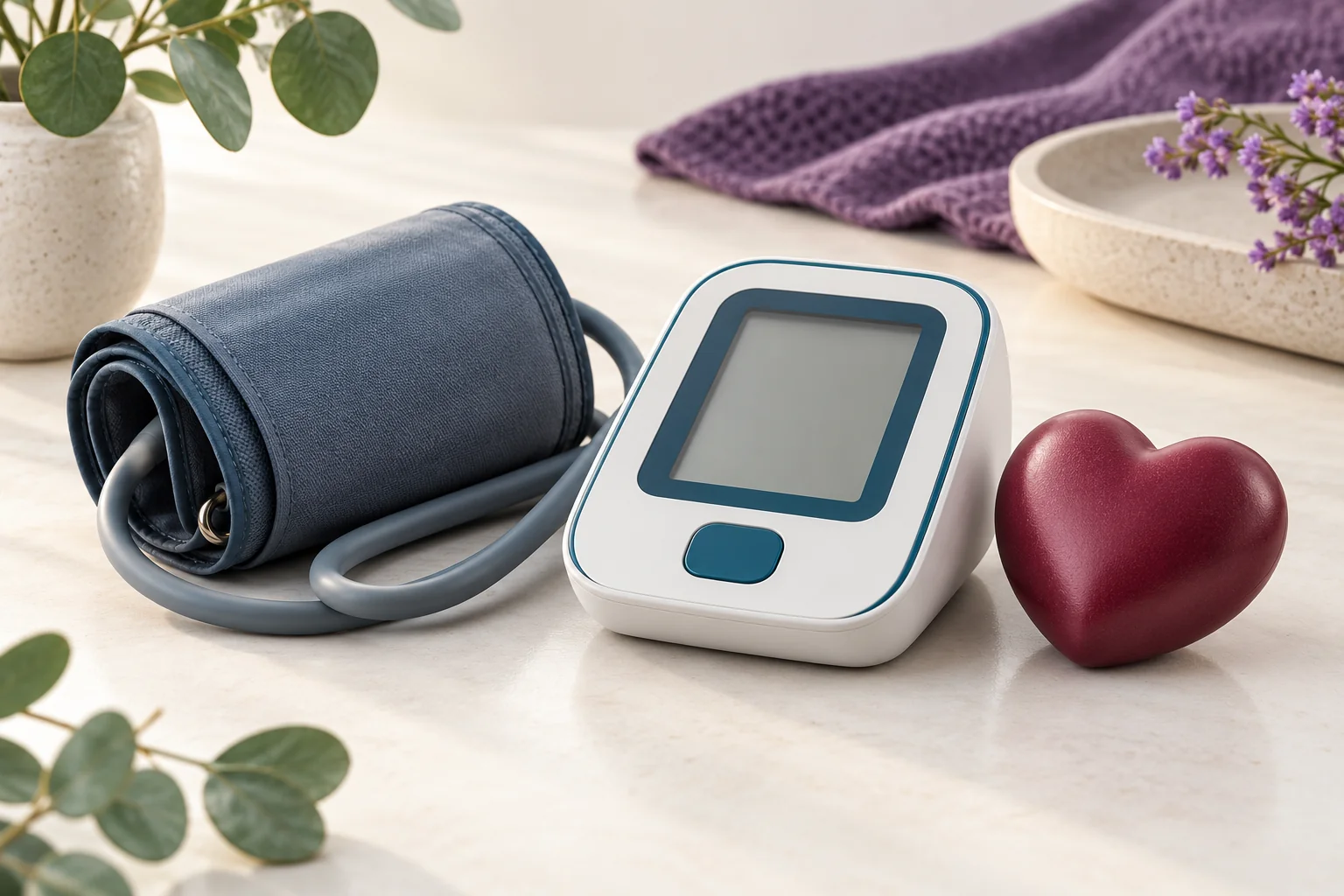
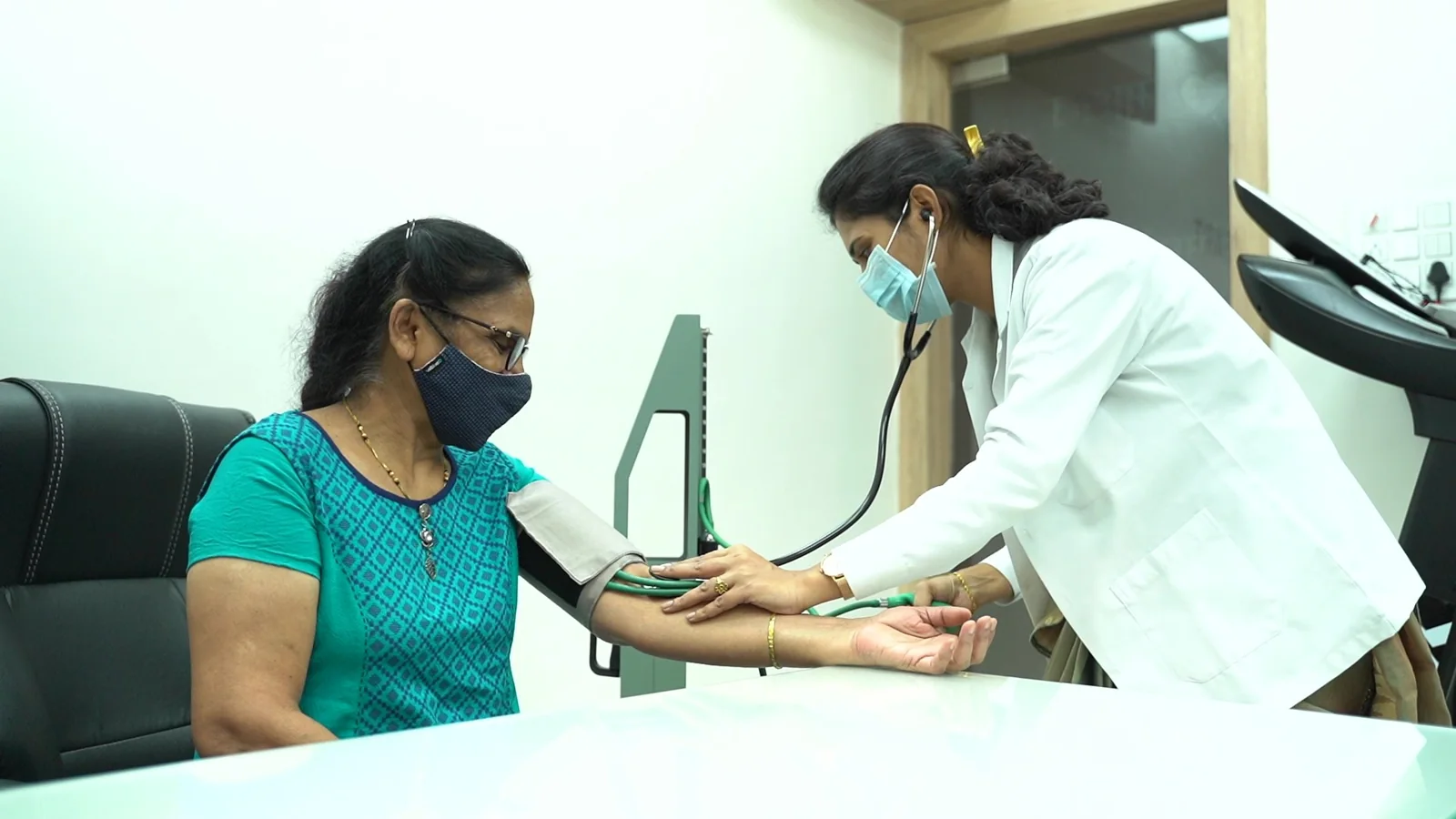
ABPM records blood pressure during usual daytime activity and sleep. Madhavbaug Pimpri offers ambulatory monitoring when recommended after clinical assessment.
Individual assessmentYour history and current treatment
Everyday supportFood, movement and routine
Purposeful follow-upReadings and clinical review
Overview
ABPM (24-hour BP monitoring): assessment and ongoing care.
For patients whose clinician recommends this investigation after reviewing symptoms, history and existing reports.
Your visit at Madhavbaug Pimpri Morwadi starts with your history, current treatment and health priorities. Dr. Shital More-Mhaisane considers suitable Ayurvedic care, everyday lifestyle guidance and follow-up individually. Necessary specialist care and prescribed medicines remain part of a coordinated plan.
Ayurvedic and lifestyle support, built around your assessment.
A wearable monitor takes repeated blood pressure readings, usually over 24 hours. The daytime and night-time pattern can help assess suspected hypertension, white-coat effects or treatment response. It does not measure coronary artery blockage.
01
What does ABPM measure?
A wearable monitor takes repeated blood pressure readings, usually over 24 hours. The daytime and night-time pattern can help assess suspected hypertension, white-coat effects or treatment response. It does not measure coronary artery blockage.
02
How should I prepare?
Wear comfortable clothing and bring your prescriptions. Ask how to record activities, symptoms and sleep, and how to protect the device from water. Continue medicines unless the responsible clinician gives specific instructions. Do not remove or adjust the cuff without guidance.
03
What happens after monitoring?
Return the monitor as instructed. Your clinician checks recording quality and interprets the report alongside your history. Confirm fitting, return arrangements, reporting time and fees when booking.
Food that fits your health
Discuss your usual food and any clinician-given restrictions before changing your diet.
Your plan and review schedule are individual. These steps describe a care discussion, without promising a treatment timeline or result.
Step 01
Prepare for your visit
Bring your existing reports, prescriptions and questions.
Step 02
Discuss your priorities
Explain your symptoms, history and everyday routine.
Step 03
Agree on suitable next steps
Ask about preparation, limitations, fees and follow-up.
Step 04
Review your plan
Confirm who reviews results and how to contact the clinic.
What should you bring?
Current prescriptions and previous reports
Your referring clinician’s advice, if available
Confirm preparation, fees and appointment availability
Ask about suitability, fees, preparation, expected follow-up and how progress will be assessed. Booking availability is confirmed through the clinic’s existing booking service.
Investigations are chosen to answer a clinical question. This list is not a prescription for tests or a claim that every investigation is performed on-site.
01
Current prescriptions and previous reports
Bring information already available; the clinician decides whether additional assessment is needed.
02
Your referring clinician’s advice, if available
Bring information already available; the clinician decides whether additional assessment is needed.
03
Confirm preparation, fees and appointment availability
Bring information already available; the clinician decides whether additional assessment is needed.
Programme terminology is researched from Madhavbaug network material. Network descriptions and published study findings are not Pimpri-specific outcomes or confirmation of local programme availability.
Further reading: Read the educational source. General guidance does not establish clinic-specific treatment outcomes.
New or severe chest pain, severe breathlessness, fainting, or stroke symptoms need urgent hospital care. Do not wait for a clinic appointment or WhatsApp reply.
Do not stop, reduce or replace prescribed medicines without the clinician responsible for them. Tell your care team about all Ayurvedic products and supplements. Supportive care does not replace urgent hospital care or necessary specialist treatment.
Questions to ask Dr. Shital
What is appropriate for my current health?
What preparation and follow-up should I arrange?
New or severe chest pain, severe breathlessness, fainting, or stroke symptoms need urgent hospital care. Do not wait for a clinic appointment or WhatsApp reply.
FAQs
Frequently asked questions
How can ABPM help guide blood-pressure care?+
ABPM takes repeated blood-pressure readings during usual activity and sleep, usually over 24 hours. It can help clarify suspected hypertension, white-coat effects and treatment response. Your clinician interprets the pattern with your history and medicines to guide care.
How should I prepare for fitting and return?+
Ask about clothing, fitting, the activity and sleep diary, keeping the device dry, return time and report review. Confirm the clinic’s current instructions and charges before attending.
Should I change BP medicines while wearing the monitor?+
Follow the prescriber’s instructions. Do not skip or change doses yourself to influence the readings; tell the team what you took and when.
Prepared by the clinic information team · Educational content; doctor review is not claimed.
Educational information does not replace an individual medical consultation. Outcomes and suitability vary. Continue prescribed medicines unless your treating doctor changes them.
This design draft requires clinical approval before the main-domain launch; a completed medical review is not claimed.