Morwadi, Pimpri-Chinchwad 10:00 AM–7:00 PM · Wednesday closed+91 73784 43322

Heart health in Pimpri

Individual assessment and ongoing support for heart health, with attention to your reports, medicines and everyday routine.

Chest pain now? New or severe chest pain, severe breathlessness or fainting needs urgent hospital care. Do not wait for a routine appointment. Heart symptom guidance →

Individual assessmentYour history and current treatment
Everyday supportFood, movement and routine
Purposeful follow-upReadings and clinical review
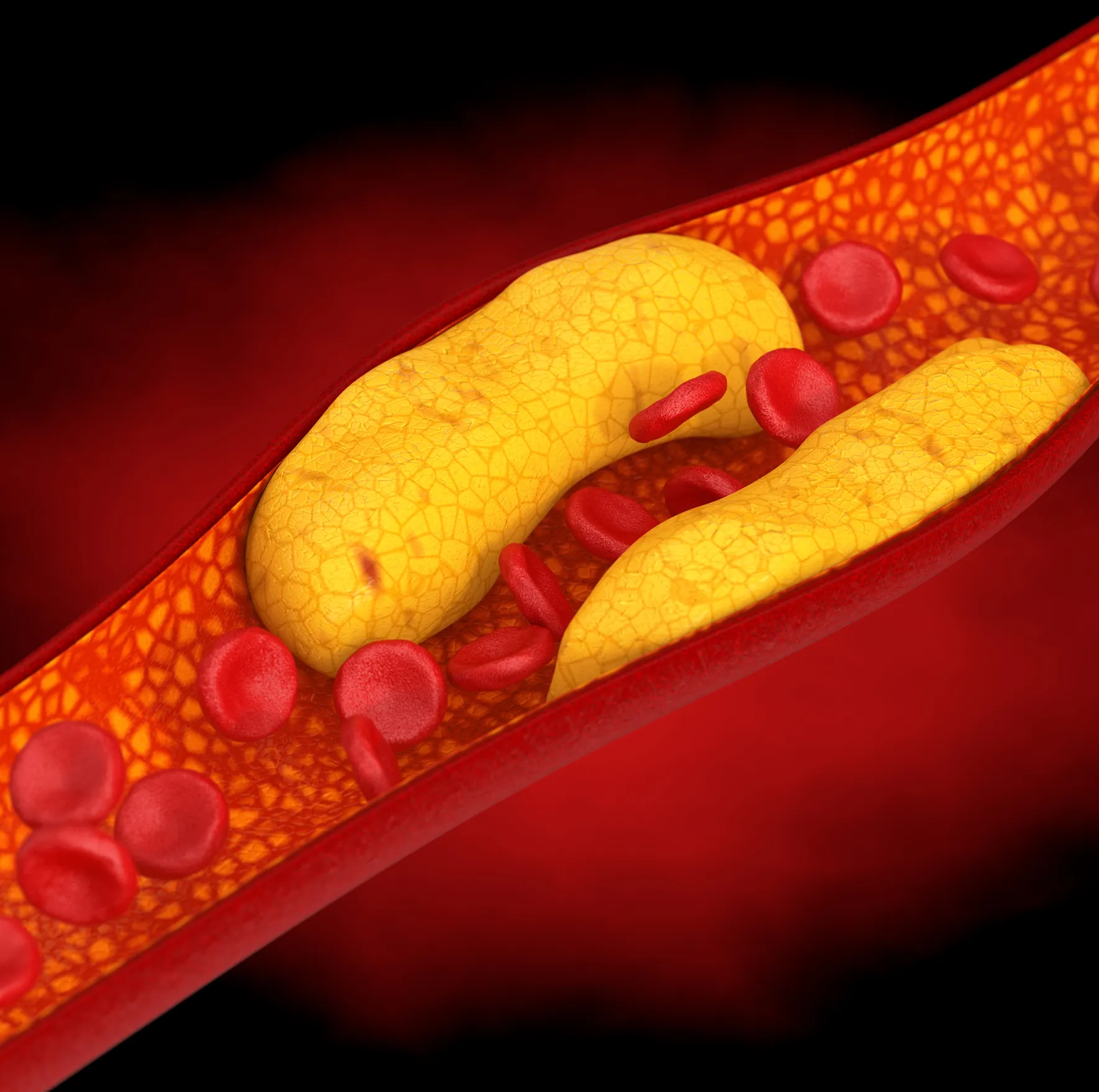
Educational illustration of plaque narrowing an artery
Overview

Heart health:
assessment and ongoing care.

Heart health is a broad topic, not a single diagnosis. Coronary artery disease affects the vessels supplying the heart; heart failure concerns how effectively the heart fills or pumps. Rhythm problems and recovery after a procedure have different assessment needs. Bring the diagnosis your cardiac team has given you rather than choosing a programme from symptoms alone.

Madhavbaug Pimpri Pune provides individual heart-health consultations in Pimpri. Dr. Shital More-Mhaisane, BAMS, MD Ayurveda, reviews your history, current treatment and cardiovascular risk factors before discussing suitable lifestyle-focused support, follow-up or specialist care. Ayurveda is not emergency cardiac care and does not replace a cardiologist’s treatment plan.

Your visit at Madhavbaug Pimpri Morwadi starts with your history, current treatment and health priorities. Dr. Shital More-Mhaisane considers suitable Ayurvedic care, everyday lifestyle guidance and follow-up individually. Necessary specialist care and prescribed medicines remain part of a coordinated plan.

Plan a consultation
OVERVIEW

Understanding heart health and cardiovascular risk

A heart-health consultation considers symptoms, established diagnoses and risk factors together. Prevention and treatment of known disease are different needs.

CAUSES & RISK FACTORS

Causes and risk factors

Smoking, raised blood pressure, diabetes, cholesterol and family history may affect cardiovascular risk.

Blood pressure being measured with an arm cuff and stethoscope
Representative risk-factor or assessment photograph. The text explains relevance; the picture does not establish an individual cause.
SYMPTOMS

Symptoms and changes to notice

Some risk factors have no symptoms. New chest pain, severe breathlessness or fainting needs urgent hospital assessment.

Educational illustration of plaque narrowing an artery
Educational visual for this topic. Symptoms and diagnosis need an individual clinical assessment.
DIAGNOSIS & ASSESSMENT

How clinicians assess it

Bring existing cardiac reports. The clinician decides what further assessment or specialist input is needed; routine screening does not rule out every heart condition.

Understand tests and monitoring →
Dr. Shital More-Mhaisane at her consultation desk in Madhavbaug Pimpri
Original clinic photograph. Discuss your history and existing reports with the clinician.
RISKS & TIMELY CARE

Recognise when the next step needs urgent care

New or severe chest pain, severe breathlessness, fainting, or stroke symptoms need urgent hospital care. Do not wait for a clinic appointment or WhatsApp reply.

Continue the follow-up and prescribed treatment agreed with your treating clinician. A routine enquiry or a photograph cannot assess the seriousness of a new symptom.

Blood pressure being measured with an arm cuff and stethoscope
PUT THE INFORMATION IN CONTEXT

Understand what the picture shows

A representative photograph of blood-pressure measurement with an arm cuff. Blood pressure is one part of a wider cardiovascular assessment; this photograph does not diagnose a heart condition.

Dr. Shital More-Mhaisane seated at her consultation desk at Madhavbaug Pimpri
PREPARE A USEFUL CONVERSATION

Questions for Dr. Shital

  • How should this concern be assessed alongside my current cardiac care?
  • Which existing cardiology reports and prescriptions should I bring?

Original clinic photograph. A photograph does not establish a diagnosis, a treatment result or completed medical review of this page.

Ask the clinic about your consultation

Read the medical background →

General educational information · Sources checked 22 October 2026 · Named clinician review pending. Tests described here are selected according to need; this does not confirm on-site availability.

Conditions

Understand heart health

Your history may include diabetes, high blood pressure, cholesterol, tobacco exposure or a family history of early heart disease. A preventive discussion considers these together with your current treatment and daily routine. Risk assessment should lead to a practical medical plan, not reassurance based on one normal reading.

  • Personal risk-factor review
  • Current treatment coordination
  • Practical follow-up planning
RELATED QUESTIONS, CLEARER ANSWERS

Explore this topic in more detail

Ischaemic heart disease

This describes inadequate blood supply to the heart muscle, commonly associated with coronary artery disease. Bring your cardiology diagnosis and reports to a routine consultation. Supportive care must follow your specialist’s treatment plan.

Read the full ischaemic heart disease guide →

Read the medical reference ↗

Care after bypass surgery

Use your surgical discharge plan as your starting point. Ask your cardiac team about wound review, rehabilitation and safe activity before adding therapies. A Pimpri consultation should fit those instructions; it does not replace surgical follow-up.

Read the full care after bypass surgery guide →

Read the medical reference ↗

Reducing heart attack risk

Review blood pressure, cholesterol, diabetes, smoking and activity with your treating team. Risk reduction is a continuing plan, not a guarantee that a heart attack cannot happen. Keep prescribed medicines and follow-up appointments.

Read the full reducing heart attack risk guide →

Read the medical reference ↗

Chest pain: urgent care comes first

New or severe chest pain, especially with breathlessness, sweating or fainting, needs emergency assessment. Do not wait for a clinic slot or WhatsApp reply. For an already assessed, stable concern, bring the hospital advice to your follow-up consultation.

Read the full chest pain: urgent care comes first guide →

Read the medical reference ↗

Bradycardia and a slow pulse

A slow heart rate needs interpretation alongside symptoms, medicines and heart rhythm. Fainting, chest pain or severe breathlessness needs urgent care. Do not change heart medicines yourself or assume Ayurvedic treatment can replace rhythm assessment.

Read the full bradycardia and a slow pulse guide →

Read the medical reference ↗

General education, updated 19 October 2026. These sources do not establish local programme availability or Ayurvedic treatment outcomes. Individual clinical review is required.

Man holding his chest in a heart-health awareness image
UNDERSTAND RELATED CONDITIONS

Dedicated heart and diabetes guides

Educational guidance and supportive care boundaries. Specialist treatment may be required.

Explore all health concerns →
Eligibility

Is this consultation right for you?

For adults seeking a preventive heart-health discussion or supportive lifestyle care alongside ongoing cardiac treatment.

Review the concerns covered above →

Suitability is decided by the doctor. Confirm programme contents, clinical supervision, fees and any specialist input before starting care.

Dr. Shital More-Mhaisane · BAMS, MD Ayurveda
Morwadi, Pimpri-Chinchwad, Pune

Meet your doctor

A clearer picture starts with a conversation.

Bring your readings, prescriptions and questions. Discuss a suitable next step.

Plan a consultation
Our approach

Ayurvedic and lifestyle support,
built around your assessment.

Madhavbaug uses the name Sampoorna Hruday Shuddhikaran (SHS) for its network cardiac programme. Its descriptions combine Ayurvedic procedures, diet, lifestyle and monitoring. The name does not mean coronary arteries have been physically washed clean. Ask Dr. Shital which elements are actually offered at Pimpri, whether they fit your diagnosis and how the plan will coordinate with your cardiologist. A national programme description does not establish local availability or prove that angioplasty or bypass can be avoided.

Clinician examining a visitor during an individual clinic assessment
01

What does a heart-health consultation cover?

Your discussion may include blood pressure, diabetes, cholesterol, weight, tobacco use, activity, sleep, family history and previous heart conditions. Bring current prescriptions and relevant reports such as prior cardiac assessments or blood results. The doctor decides which details matter for your situation.

02

Which everyday factors can affect heart health?

Food patterns, movement, tobacco exposure, alcohol use, sleep and long-term conditions can all be part of cardiovascular risk management. Discuss realistic changes with your clinician, especially if you have activity limits, heart failure, recent surgery or a prescribed exercise plan.

03

How can Ayurveda fit alongside cardiac care?

An Ayurvedic consultation may discuss nutrition, routine and supportive therapies when appropriate. Share all medicines, herbs and supplements with your treating clinicians so suitability and possible interactions can be considered. Coordination with your cardiac team is especially important after a stent, angioplasty or bypass.

04

When may further assessment or referral be needed?

New symptoms, changes in exercise tolerance or concerning findings need timely clinical assessment. Your clinician may recommend an investigation or referral based on your history and examination. A supportive care plan cannot establish that a coronary narrowing has cleared, and it must not delay medicines, procedures or urgent specialist care recommended for you.

Food that fits your health

A food discussion should fit your cardiac plan and any diabetes or kidney-related restrictions. Describe everyday meals, work shifts, appetite and the changes your household can sustain. Ask how a suggested meal plan differs from your current one and whether it affects medicines or other restrictions. A diet-kit label is not a substitute for individual advice.

Nutrition & everyday care →

Activity, rest and routine

Ask your cardiac team what activity or rehabilitation is appropriate. The starting point may differ after a heart attack, angioplasty, bypass surgery or a heart-failure episode. Clinic lifestyle support must respect the limits and warning signs given by the team supervising your heart disease.

Check certification and scope →

YOUR PLAN IN PRACTICE

Your care plan in everyday life

Use these points to discuss heart health with the clinic. Your clinician confirms the individual plan, preparation and follow-up.

01

Your cardiac plan

Bring the diagnosis, discharge instructions and current cardiology plan. Discuss how a proposed SHS programme fits ongoing specialist care.

02

Diet discussion

Ask how meal advice fits your diabetes, kidney or fluid restrictions, if any.

03

Therapy suitability

Ask which Panchakarma procedures are proposed, who supervises them and when they should be deferred.

04

Review and escalation

Agree who reviews symptoms, activity tolerance and reports; new chest pain needs urgent hospital care.

Ask the clinic about your plan →
Patient journey

Your consultation and follow-up

Your plan and review schedule are individual. These steps describe a care discussion, without promising a treatment timeline or result.

Dr. Shital More-Mhaisane in an original clinic consultation photograph
  1. Step 01

    Bring your cardiac context

    Share your diagnosis, medicines, reports and recent procedures.

    Dr. Shital More-Mhaisane in an original clinic consultation photograph
  2. Step 02

    Clarify suitability

    Discuss whether routine supportive care is appropriate or specialist review comes first.

    Man holding his chest in a heart-health awareness image
  3. Step 03

    Choose practical priorities

    Agree on food, daily habits and any suitable Ayurvedic options.

    Bowl with grains, vegetables and fruit
  4. Step 04

    Coordinate treatment

    Keep your cardiac team informed about every addition to your plan.

    Care coordination in a supplied clinic photograph
  5. Step 05

    Review what matters

    Discuss symptoms and clinician-selected measures without treating a single result as a cure.

    Clinician carrying out an individual examination
  6. Step 06

    Plan ongoing follow-up

    Confirm who reviews medicines and what to do if your health changes.

    Care coordination in a supplied clinic photograph

What should you bring?

  • Previous heart and relevant blood reports
  • Current prescriptions, herbs and supplements
  • Your main concerns and any activity limitations

Ask about suitability, fees, preparation, expected follow-up and how progress will be assessed. Booking availability is confirmed through the clinic’s existing booking service.

View appointment availability
Tests & assessment

Assessment, reports and monitoring

Investigations are chosen to answer a clinical question. This list is not a prescription for tests or a claim that every investigation is performed on-site.

Diagnosis and recent events

Bring discharge summaries, procedure details and the reason for your current cardiology follow-up.

Medicines and supplements

Include antiplatelet medicines, blood-pressure treatment and every herb or supplement. Do not omit a product because it is described as natural.

Existing reports

Bring reports already available. A clinician decides whether ECG, exercise testing, blood investigations or specialist assessment will answer a specific question.

Activity and symptoms

Explain what you can do comfortably, what brings on symptoms and whether anything has changed. Do not test your limits before the visit.

Assessment & monitoring information →
Why Madhavbaug Pimpri?

Your doctor, follow-up and clinic location

Care in Pimpri

Your care starts
with your own story.

Discuss your health history, reports and daily routine with Dr. Shital More-Mhaisane. An individual assessment guides suitable options and follow-up.

Patient experiences offer perspective; they do not predict another person’s outcome.

Explore patient experiences
Original photograph of Dr. Shital More-Mhaisane at her clinic desk
Research & further reading

Read the evidence.
Understand its limitations.

A 2017 randomized, open-label study in chronic heart failure examined an Ayurvedic treatment package as an addition to standard care. Its design, population and endpoints need to be read together. It is not proof that all coronary blockages reverse, that each therapy independently works, or that prescribed treatment can be stopped. The study is not a Pimpri patient-outcome report.

Programme terminology is researched from Madhavbaug network material. Network descriptions and published study findings are not Pimpri-specific outcomes or confirmation of local programme availability.

Further reading: Read the educational source. General guidance does not establish clinic-specific treatment outcomes.

Research & context →

When is another level of care needed?

Do not assume new chest discomfort is acidity, stress or a routine Ayurveda concern. New or severe chest pain, severe breathlessness, fainting or stroke symptoms need urgent hospital care. Ongoing but less severe symptoms also need timely medical assessment before exercise or a procedure is considered.

Do not stop, reduce or replace prescribed medicines without the clinician responsible for them. Tell your care team about all Ayurvedic products and supplements. Supportive care does not replace urgent hospital care or necessary specialist treatment.

Questions to ask Dr. Shital

  • What exactly is my heart diagnosis, and which specialist follow-up must continue?
  • Which proposed procedure is suitable now, and why?
  • Could herbs or therapies interact with my cardiac medicines?
  • What symptoms mean I should contact my cardiac team or go to hospital?

New or severe chest pain, severe breathlessness, fainting, or stroke symptoms need urgent hospital care. Do not wait for a clinic appointment or WhatsApp reply.

FAQs

Frequently asked questions

What does a Madhavbaug SHS consultation involve?

Your history, coronary reports, current treatment and daily activity are reviewed before discussing a suitable programme. Selected Ayurvedic therapies, nutrition and activity guidance may be combined with follow-up. Ask which goals apply to you; decisions about angioplasty or bypass remain with your cardiac team.

Which reports should I bring?

Bring current prescriptions and relevant previous heart, blood pressure or blood test reports. Do not arrange new investigations without advice.

When should I seek urgent cardiac care?

New or severe chest pain, fainting, severe breathlessness or stroke symptoms need urgent hospital care. Do not wait for a routine clinic appointment or message reply.

Can I start a new exercise programme before assessment?

Ask your treating clinician what activity is appropriate, especially after a procedure or with known heart disease. Unstable chest symptoms need medical assessment, not self-directed exercise testing.

Can SHS help me avoid an operation?

SHS provides a non-surgical care pathway for suitable patients, with assessment, lifestyle support and monitoring. Whether your coronary disease can be managed without a procedure depends on your anatomy, symptoms, heart function and cardiology assessment. Do not postpone recommended angioplasty or bypass on the basis of a programme description.

How can I prepare my questions for a heart-health visit?

Write down what you want to understand about your existing reports, the proposed care, costs and follow-up. Bring your current cardiology plan and ask who will coordinate any advice with your treating clinician.

Explore the full FAQ bank →