
Understanding ischaemic heart disease
The heart muscle needs a steady supply of oxygen-rich blood. Ischaemia means that supply is insufficient; coronary artery disease is a common reason.
Causes and risk factors
Smoking, high LDL cholesterol, diabetes and high blood pressure can contribute to coronary risk. Family history also matters.

Symptoms and changes to notice
Chest pressure or breathlessness may occur, but symptoms vary. New, worsening or resting chest pain needs urgent assessment.
How clinicians assess it
History, examination and selected heart tests help establish the cause. A normal resting ECG alone does not rule out coronary disease.
Understand tests and monitoring →
Recognise when the next step needs urgent care
New or severe chest pain, severe breathlessness, fainting or stroke symptoms need emergency hospital care. Do not wait for a clinic slot, a message reply or a planned test.
Continue the follow-up and prescribed treatment agreed with your treating clinician. A routine enquiry or a photograph cannot assess the seriousness of a new symptom.
Understand what the picture shows
A representative photograph of blood-pressure measurement with an arm cuff. Blood pressure is one part of a wider cardiovascular assessment; this photograph does not diagnose a heart condition.
Questions for Dr. Shital
- How should this concern be assessed alongside my current cardiac care?
- Which existing cardiology reports and prescriptions should I bring?
Original clinic photograph. A photograph does not establish a diagnosis, a treatment result or completed medical review of this page.
Ask the clinic about your consultationGeneral educational information · Sources checked 22 October 2026 · Named clinician review pending. Tests described here are selected according to need; this does not confirm on-site availability.
Which parts of my cardiac history matter?
Bring the diagnosis your cardiac team has made, earlier procedure records and any recent change in exercise tolerance. Tell the clinician whether symptoms occur at rest or with activity, but do not use a website to decide whether a symptom is safe.
How should supportive care be coordinated?
Ask which part of your current plan a proposed change is intended to support. Discuss food, sleep and practical routines within your cardiologist’s restrictions. A local supportive consultation cannot establish that coronary narrowing has disappeared or replace indicated procedures.
What should I clarify at follow-up?
Ask who will review cardiac symptoms, who can change medicines and when your cardiology appointment is due. If different teams are involved, keep an up-to-date prescription list so recommendations can be checked together.
When should I seek urgent care?
New or severe chest pain, severe breathlessness, fainting or stroke symptoms need emergency hospital care. Do not wait for a clinic slot, a message reply or a planned test.
Use the appropriate hospital or emergency service for urgent symptoms. This website and its appointment links do not provide emergency assessment.
Understanding coronary disease and your current care
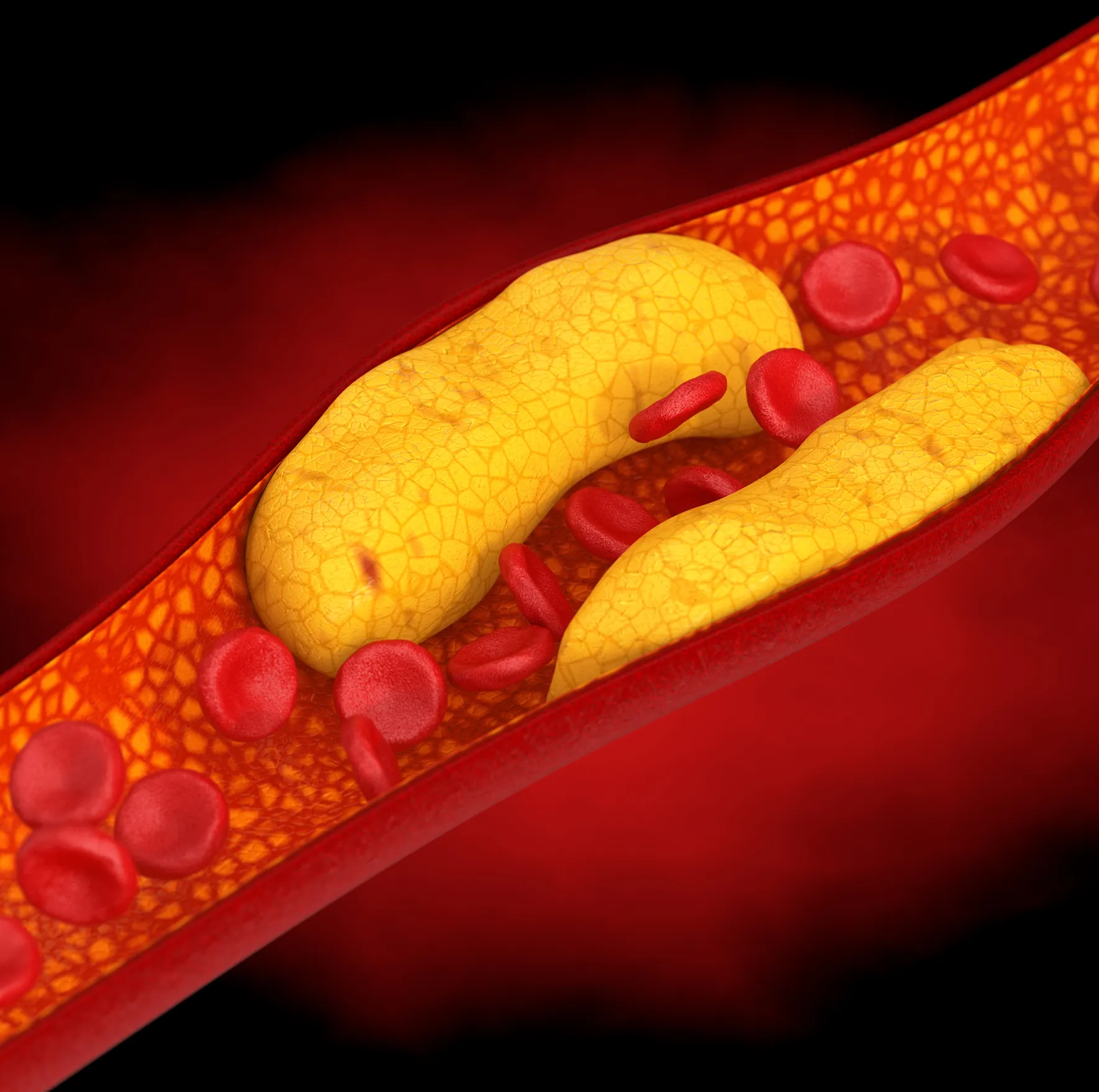
Ischaemic heart disease and coronary artery disease describe a problem with the blood supply to the heart muscle. Fatty deposits in coronary arteries can restrict that supply. Symptoms and treatment decisions need clinical assessment.
Symptoms are not the same for everyone
Chest discomfort, breathlessness or discomfort in the jaw or arms can occur. A symptom-free day does not establish that coronary disease has gone away.
Ask what a report changes
Bring the diagnosis and relevant reports from your cardiac team. Ask which finding guides medicines, activity advice or a recommended procedure. Do not delay urgent care for a routine clinic enquiry.
Sources for this explanation
Sources checked 21 October 2026. Prepared by the clinic information team; named clinical review is pending. Sources explain general medical information and do not demonstrate a Pimpri treatment outcome.
What information helps with ischaemic heart disease?
Bring what you already have. These discussion points are not a prescription for tests or a statement that every investigation is performed at the clinic.
Diagnosis and procedures
Bring your cardiology diagnosis, previous procedures and any discharge instructions.
Current treatment
Include prescriptions, herbs and supplements so additions can be discussed with the treating team.
Symptoms and activity
Describe changes in symptoms and daily activity rather than trying to test your limits yourself.
Relevant reports
Bring existing ECG, scan, exercise-test or blood reports when available; the clinician chooses any further assessment.
A plan that fits your diagnosis and daily life.
Discuss the role and limits of supportive care alongside your existing treatment.
Food and everyday routines
Ask how food advice fits any restrictions already given by your cardiac team, including diabetes, kidney or fluid-related advice.
Diet and nutrition information →Ayurveda and Panchakarma suitability
Before any Ayurvedic product or Panchakarma procedure, discuss your cardiac stability, current treatment, suitability and who will supervise care.
Ask which procedure is proposed, what preparation involves, what it costs and when it should be delayed or avoided.
Understand Panchakarma →Follow-up and coordination
Clarify which clinician reviews your cardiac medicines, what symptoms to report and which cardiology follow-up must continue.
Understand the care approach →Leave the consultation with clear next steps.
- What is being assessed, and what remains uncertain?
- Which part of the proposed plan is intended to support my particular concern?
- What preparation, fees, precautions and follow-up apply?
- Who should I contact if symptoms change or the plan causes discomfort?
From your first question to a clear follow-up plan.
A routine consultation about ischaemic heart disease starts with your history. The clinician decides what is appropriate; this is not a fixed treatment protocol.

Meet your doctor →
Bring your health context
Prepare the reports and prescriptions you already have, together with your questions.
Discuss assessment and suitability
Explain your current treatment and any recent changes. Ask whether specialist review is needed.
Understand the proposed plan
Discuss suitable care, food and routines, preparation, limitations and fees before agreeing.
Confirm your follow-up
Clarify what to monitor, who reviews progress and when to seek medical advice.
Preparing for a Pimpri consultation
For a routine enquiry, contact Madhavbaug Pimpri Morwadi and explain which appointment you want to clarify. Confirm whether the clinic can address your concern, whether another specialist should be involved and whether you need any preparation. Tests mentioned in educational material are not automatically available on site.
- Bring prescriptions and reports you already have; do not arrange new tests solely because a page mentions them.
- Include hospital discharge instructions, allergies, herbs and supplements in the discussion.
- Ask what is proposed, its limitations, costs and alternatives before agreeing to care.
- Clarify who will review progress and who is responsible for specialist follow-up.
Ayurvedic care requires individual suitability and safety assessment. Do not stop medicines or delay necessary specialist treatment. No cure, fixed result or treatment timeline is promised.
Booking opens Setmore in a new tab. The provider handles availability and confirmation; opening the link does not confirm an appointment.
Frequently asked questions
How can a consultation at Madhavbaug Pimpri help?
The consultation can connect your heart reports and existing treatment with suitable nutrition, activity and Ayurvedic options. Discuss goals such as daily functioning and risk-factor management, and how progress will be reviewed alongside cardiology care.
Can a favourable report mean that my heart disease is cured?
A clinician must interpret reports alongside your history and symptoms. Keep your specialist follow-up and do not stop prescribed treatment on the basis of one result.
Does a normal resting ECG rule out coronary disease?
Not always. Your cardiac team interprets an ECG with symptoms, history and other relevant findings. New or worsening chest pain still needs urgent assessment.
What should I ask about food and activity?
Bring your cardiologist’s restrictions and discuss realistic food, movement and follow-up goals. Do not begin strenuous exercise while symptoms are unstable.
Sources and further reading
Sources explain general health information. They do not prove local programme availability or outcomes from Ayurvedic treatment. Your treating clinician should interpret what applies to you.