
Continue prescribed treatment
Follow your cardiac team’s medicine and discharge instructions.
Recovery after angioplasty starts with your hospital discharge plan. At Madhavbaug Pimpri Morwadi, Dr. Shital More-Mhaisane can discuss suitable nutrition and lifestyle support alongside cardiology follow-up. The consultation does not replace cardiac rehabilitation, prescribed medicines or review of new symptoms.
Book a routine consultationDr. Shital More-Mhaisane · BAMS, MD (Ayurveda)
Morwadi, Pimpri-Chinchwad, Pune

Follow your cardiac team’s medicine and discharge instructions.
Ask your hospital team about appropriate activity and cardiac rehabilitation.
Discuss the role and limits of supportive care before starting a programme.

Discuss familiar meals, working hours, preferences and any dietary restrictions already given by your treating team. Bring a list of medicines and supplements.
Supportive nutrition and Ayurvedic care do not replace your cardiologist’s treatment or a formal cardiac rehabilitation programme. Ask about suitability before adding any product or procedure.
Explore diet and nutrition guidance →Angioplasty opens a narrowed coronary artery, often using a stent. Follow-up remains important after the procedure.
Other cardiovascular risks remain even after successful treatment. Follow the hospital’s medicine, activity and review instructions.

Report wound problems to your hospital team. New or severe chest pain or marked breathlessness needs emergency assessment.
Bring the procedure and discharge records. Ask the cardiology team about rehabilitation and any restrictions. Do not interrupt prescribed antiplatelet medicines yourself.
Understand tests and monitoring →
New or severe chest pain, marked breathlessness, fainting or uncontrolled bleeding needs urgent medical care. Follow your hospital’s emergency instructions.
Continue the follow-up and prescribed treatment agreed with your treating clinician. A routine enquiry or a photograph cannot assess the seriousness of a new symptom.
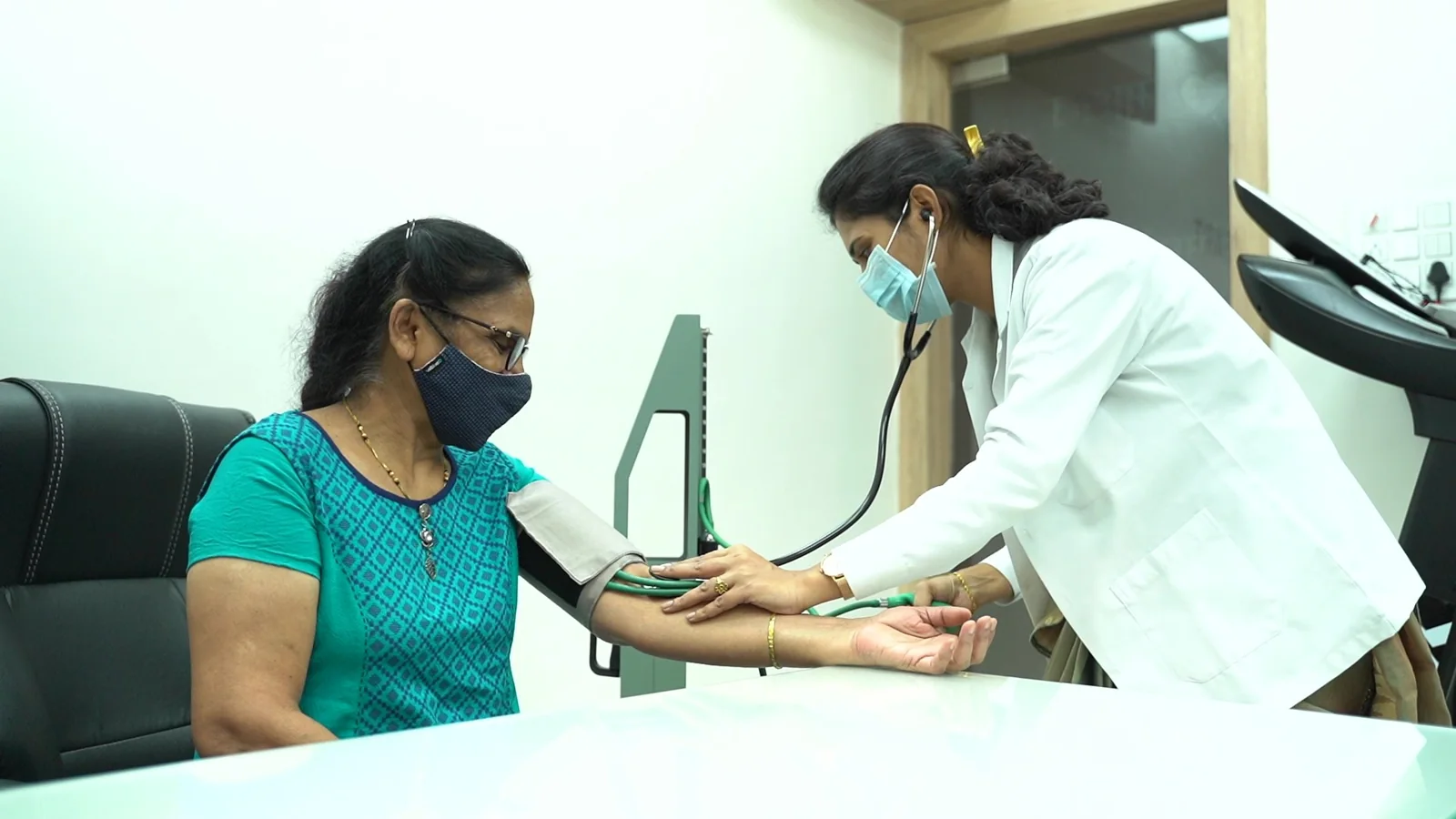
A representative photograph of blood-pressure measurement with an arm cuff. Blood pressure is one part of a wider cardiovascular assessment; this photograph does not diagnose a heart condition.
Original clinic photograph. A photograph does not establish a diagnosis, a treatment result or completed medical review of this page.
Ask the clinic about your consultationGeneral educational information · Sources checked 22 October 2026 · Named clinician review pending. Tests described here are selected according to need; this does not confirm on-site availability.
Angioplasty opens a narrowed artery but does not remove every cause of coronary disease. Ongoing cholesterol, blood pressure, diabetes and smoking-related risk management remains important. Your cardiac team sets your follow-up and rehabilitation plan.
Follow the discharge advice for the puncture site, activity, driving and return to work. Continue antiplatelet medicines exactly as prescribed; stopping them without specialist advice can be dangerous. The appropriate drug combination and duration differ between patients.
Tell the clinic when the procedure occurred, why it was needed and whether complications occurred. Share your discharge summary before planning any therapy. Panchakarma, herbs, supplements or exercise changes require a suitability and interaction review; they should not be started automatically after a procedure.
New or severe chest pain, marked breathlessness, fainting or uncontrolled bleeding needs urgent medical care. Follow your hospital’s emergency instructions.
Bring what you already have. These discussion points are not a prescription for tests or a statement that every investigation is performed at the clinic.
Bring your cardiology diagnosis, previous procedures and any discharge instructions.
Include prescriptions, herbs and supplements so additions can be discussed with the treating team.
Describe changes in symptoms and daily activity rather than trying to test your limits yourself.
Bring existing ECG, scan, exercise-test or blood reports when available; the clinician chooses any further assessment.
Discuss the role and limits of supportive care alongside your existing treatment.
Ask how food advice fits any restrictions already given by your cardiac team, including diabetes, kidney or fluid-related advice.
Diet and nutrition information →Before any Ayurvedic product or Panchakarma procedure, discuss your cardiac stability, current treatment, suitability and who will supervise care.
Ask which procedure is proposed, what preparation involves, what it costs and when it should be delayed or avoided.
Understand Panchakarma →Clarify which clinician reviews your cardiac medicines, what symptoms to report and which cardiology follow-up must continue.
Understand the care approach →A routine consultation about post-angioplasty care starts with your history. The clinician decides what is appropriate; this is not a fixed treatment protocol.

Prepare the reports and prescriptions you already have, together with your questions.
Explain your current treatment and any recent changes. Ask whether specialist review is needed.
Discuss suitable care, food and routines, preparation, limitations and fees before agreeing.
Clarify what to monitor, who reviews progress and when to seek medical advice.
Bring current prescriptions, relevant reports and your questions. Tell Dr. Shital about recent hospital treatment, allergies, herbs and supplements. Confirm suitability and the scope of supportive care before starting a programme. Tests mentioned in educational guidance are not automatically available at this clinic.
Continue prescribed treatment unless your treating clinician changes it. This clinic does not replace emergency, cardiology, kidney or eye-specialist services.
Meet Dr. Shital More-MhaisaneThe clinic can help you discuss food, daily routines and suitable Ayurvedic support within your discharge and rehabilitation plan. Bring your procedure summary and prescriptions; antiplatelet medicines must continue as your cardiac team directs.
No. Feeling well does not remove the need for prescribed antiplatelet treatment. Only your treating cardiac team should change it.
No. Your care team will advise risk-factor management and suitable rehabilitation. Support at this clinic must stay consistent with that plan.
These sources explain general medical care; they do not establish outcomes for Ayurvedic treatment or for this clinic.
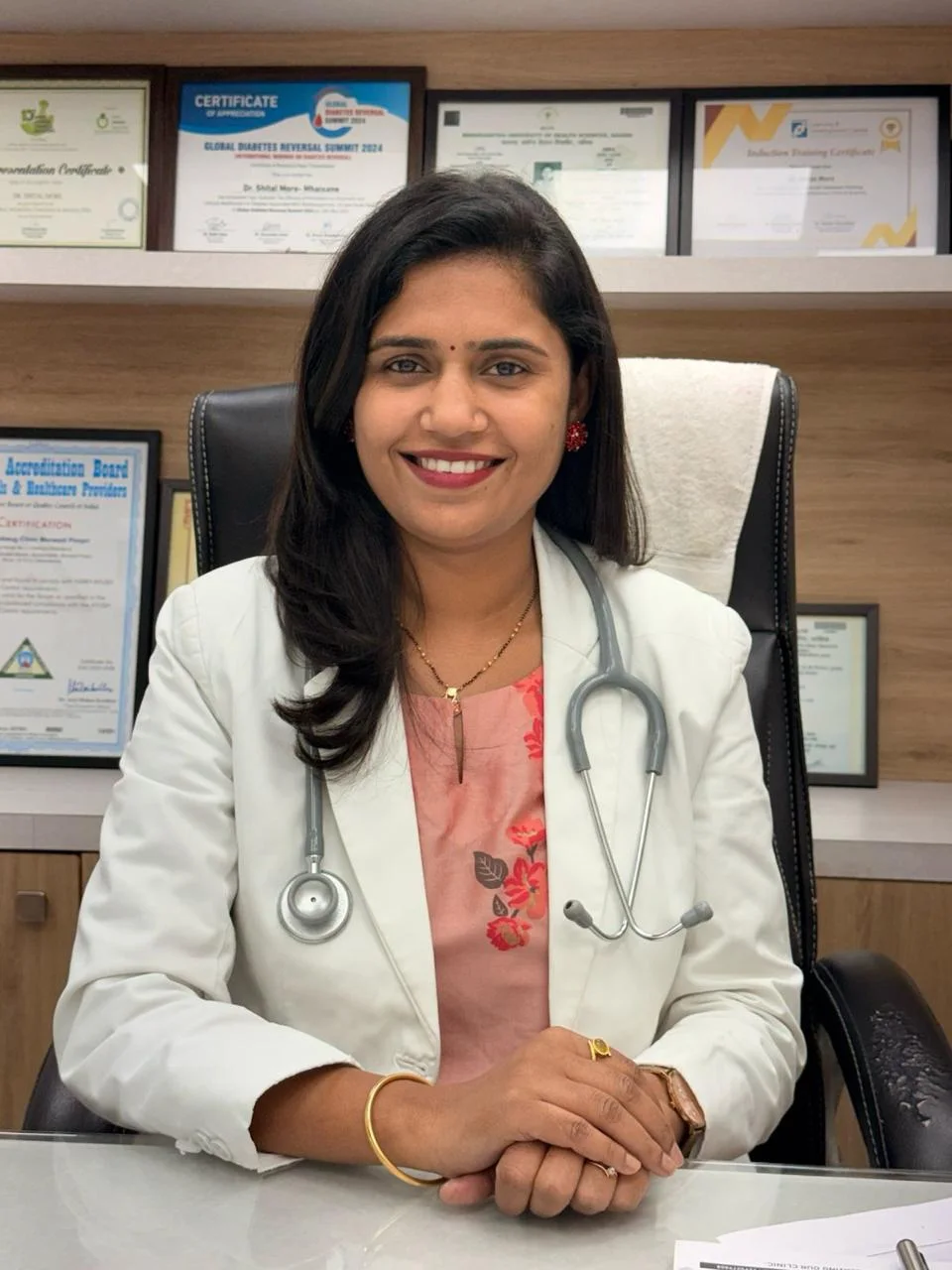
BAMS, MD (Ayurveda)
Your concerns, current treatment, available reports and daily routine guide the consultation. Discuss suitable supportive care with clear boundaries and realistic expectations.
Educational guidance and supportive care boundaries. Specialist treatment may be required.