
PUT THE INFORMATION IN CONTEXT
Understand what the picture shows
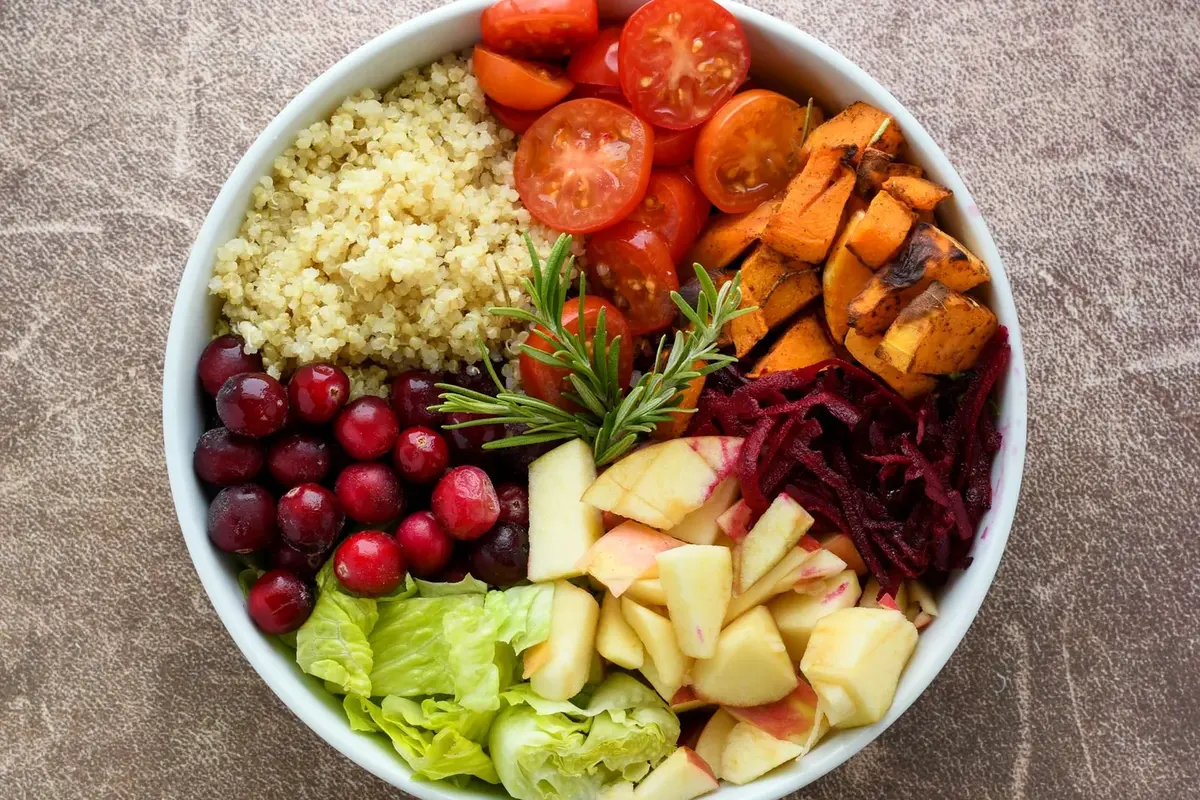
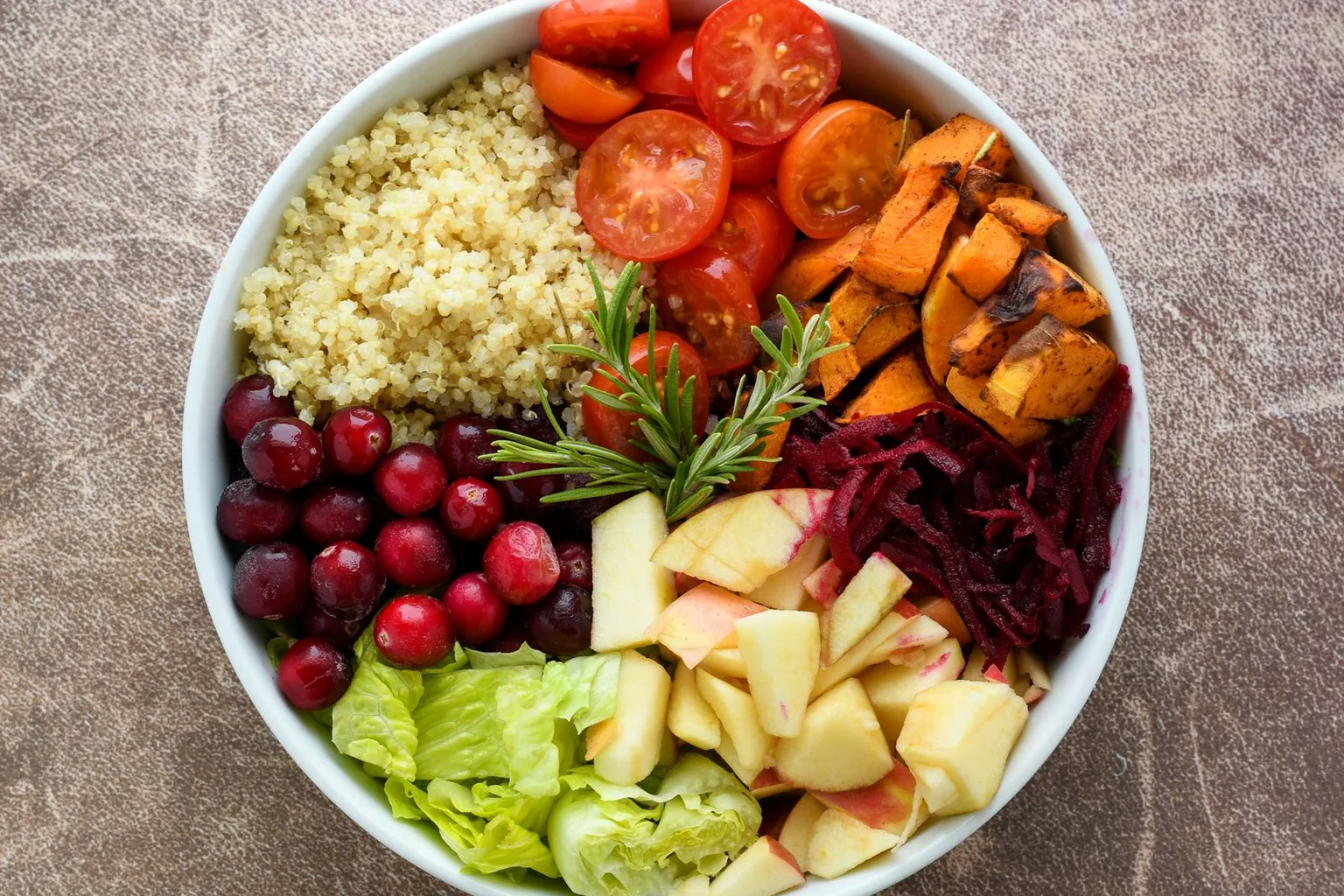
A representative food photograph. Meal planning needs to fit your current treatment and health needs; the pictured foods are not a prescribed diet.
Practical, supervised support for type 2 diabetes and prediabetes, built around nutrition, movement and regular monitoring.
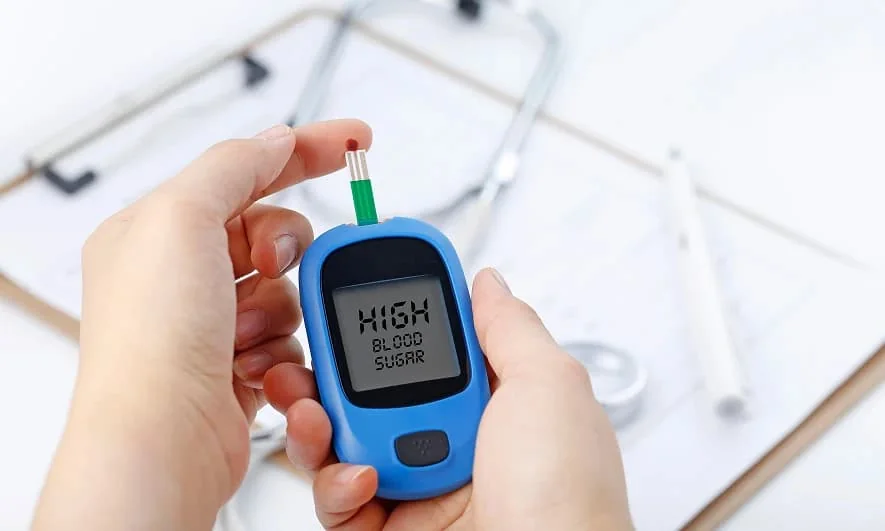
Diabetes care concerns both glucose and long-term health. Type 1 and type 2 diabetes are different conditions and do not have interchangeable treatment plans. With type 2 diabetes, the response to insulin and the amount of insulin available can change over time. Your diagnosis, duration of diabetes, medicines and other conditions guide the discussion.
Your visit at Madhavbaug Pimpri Morwadi starts with your history, current treatment and health priorities. Dr. Shital More-Mhaisane considers suitable Ayurvedic care, everyday lifestyle guidance and follow-up individually. Necessary specialist care and prescribed medicines remain part of a coordinated plan.
Plan a consultationType 2 diabetes involves problems with insulin action and blood-glucose regulation. Care aims to manage glucose and reduce related health risks over time.
Family history, age, activity and weight-related factors may contribute. Diabetes is not a personal failure.
Increased thirst, frequent urination or tiredness can occur, but some people have few symptoms. Do not rely on symptoms to judge glucose control.
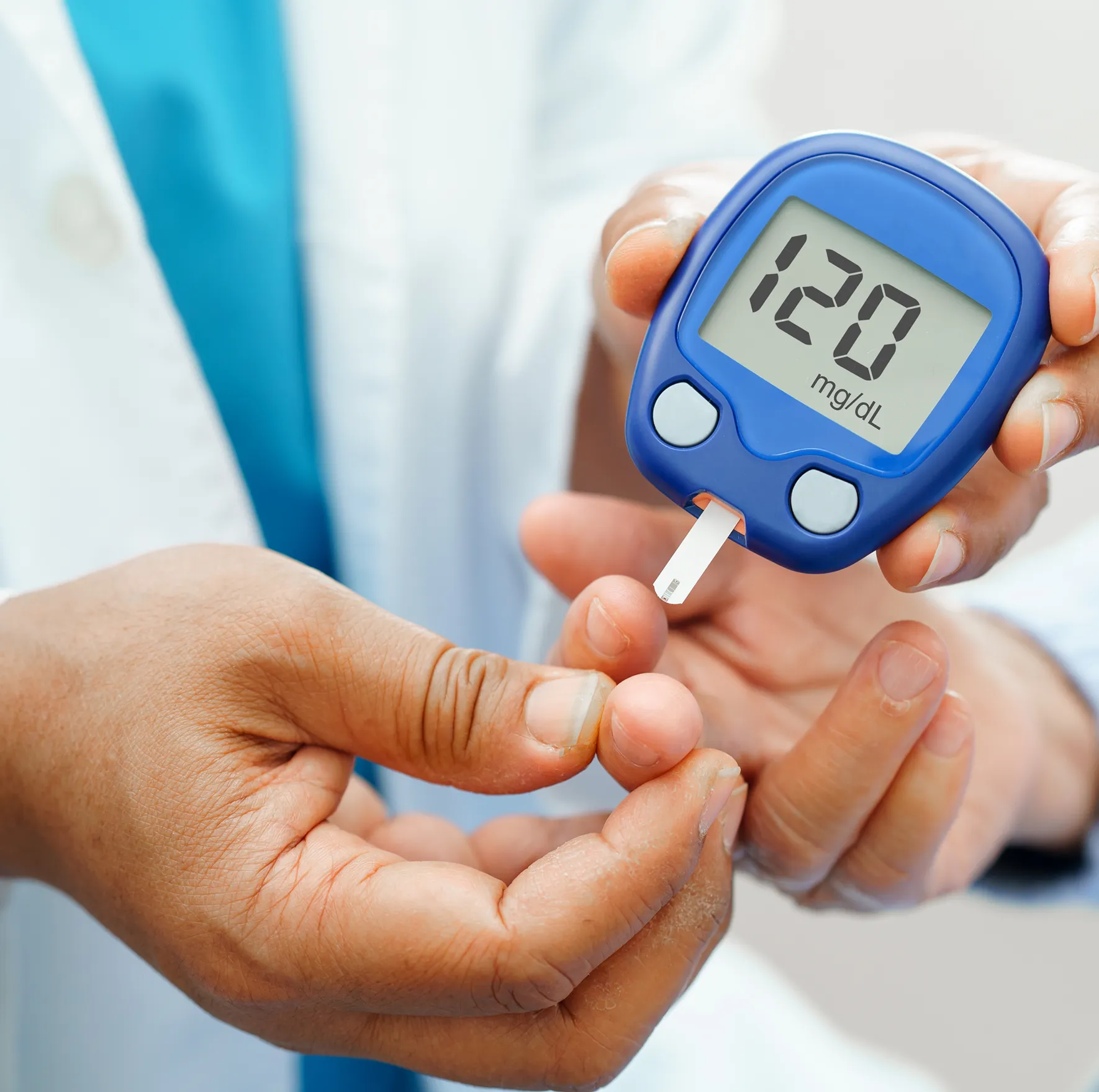
Clinicians interpret laboratory tests and previous results. Follow-up considers medicines, eye and kidney health, feet and cardiovascular risk as appropriate.
Understand tests and monitoring →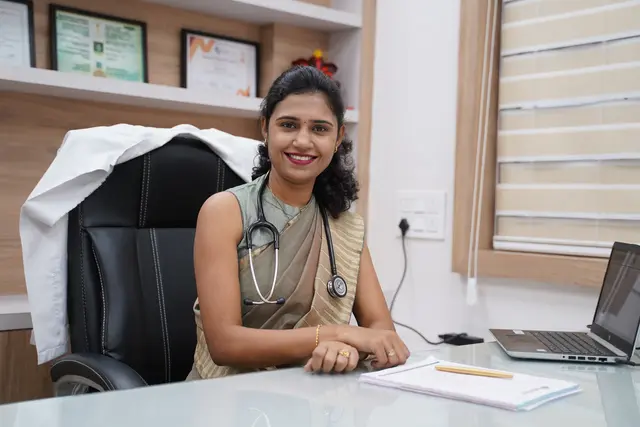
New or severe chest pain, severe breathlessness, fainting, or stroke symptoms need urgent hospital care. Do not wait for a clinic appointment or WhatsApp reply.
Continue the follow-up and prescribed treatment agreed with your treating clinician. A routine enquiry or a photograph cannot assess the seriousness of a new symptom.
A representative food photograph. Meal planning needs to fit your current treatment and health needs; the pictured foods are not a prescribed diet.
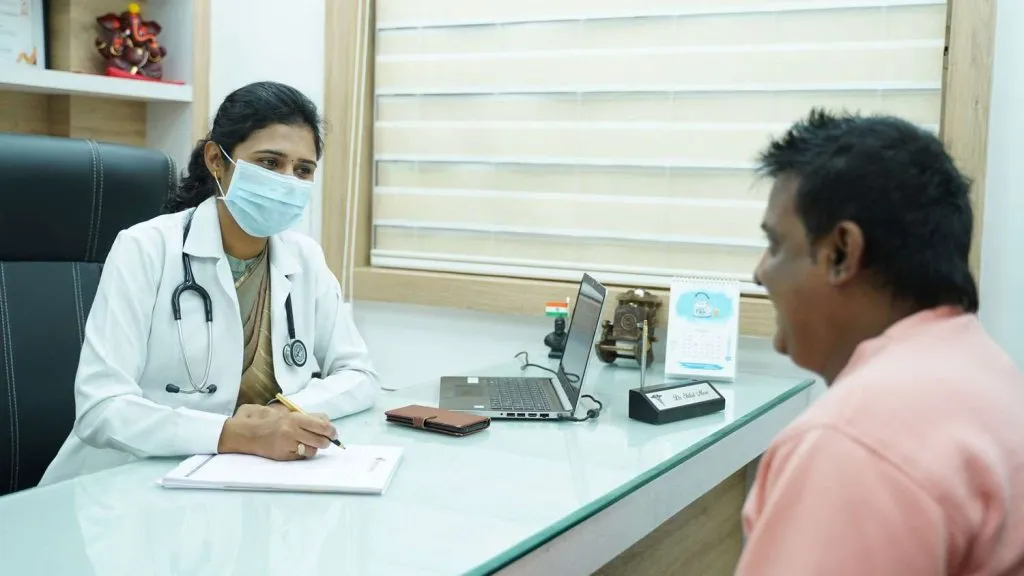
Original clinic photograph. A photograph does not establish a diagnosis, a treatment result or completed medical review of this page.
Ask the clinic about your consultationGeneral educational information · Sources checked 22 October 2026 · Named clinician review pending. Tests described here are selected according to need; this does not confirm on-site availability.
Share thirst, frequent urination, blurred vision, unexplained weight changes or repeated low-glucose episodes with your clinician. Some people have few symptoms. Eye, kidney, nerve and heart care still matter when you feel well. Tell the clinic about wounds, pregnancy, recent illness or any complication before choosing a programme.
Treat “reversal” as a question to discuss, not a promised programme result. Better glucose readings alone are not permission to stop medicine. Ask your diabetes clinician how any remission would be assessed and what ongoing monitoring you would need.
Read the full type 2 diabetes “reversal”: ask about remission guide →
Read the medical reference ↗Prediabetes means glucose is above the normal range but below the diabetes range. Discuss your results, family history and a realistic food and activity plan. Follow-up testing matters even when you feel well.
Read the full prediabetes guide →
Read the medical reference ↗Insulin resistance means the body responds less effectively to insulin. It is not diagnosed from appearance or weight alone. Bring relevant glucose results and ask which assessment is useful before buying tests, supplements or a diet programme.
Read the full insulin resistance guide →
Read the medical reference ↗General education, updated 19 October 2026. These sources do not establish local programme availability or Ayurvedic treatment outcomes. Individual clinical review is required.
Educational guidance and supportive care boundaries. Specialist treatment may be required.
For adults with type 2 diabetes, prediabetes or concerns about blood sugar, and their caregivers.
Suitability is decided by the doctor. Confirm programme contents, clinical supervision, fees and any specialist input before starting care.
Dr. Shital More-Mhaisane · BAMS, MD Ayurveda
Morwadi, Pimpri-Chinchwad, Pune
Bring your readings, prescriptions and questions. Discuss a suitable next step.
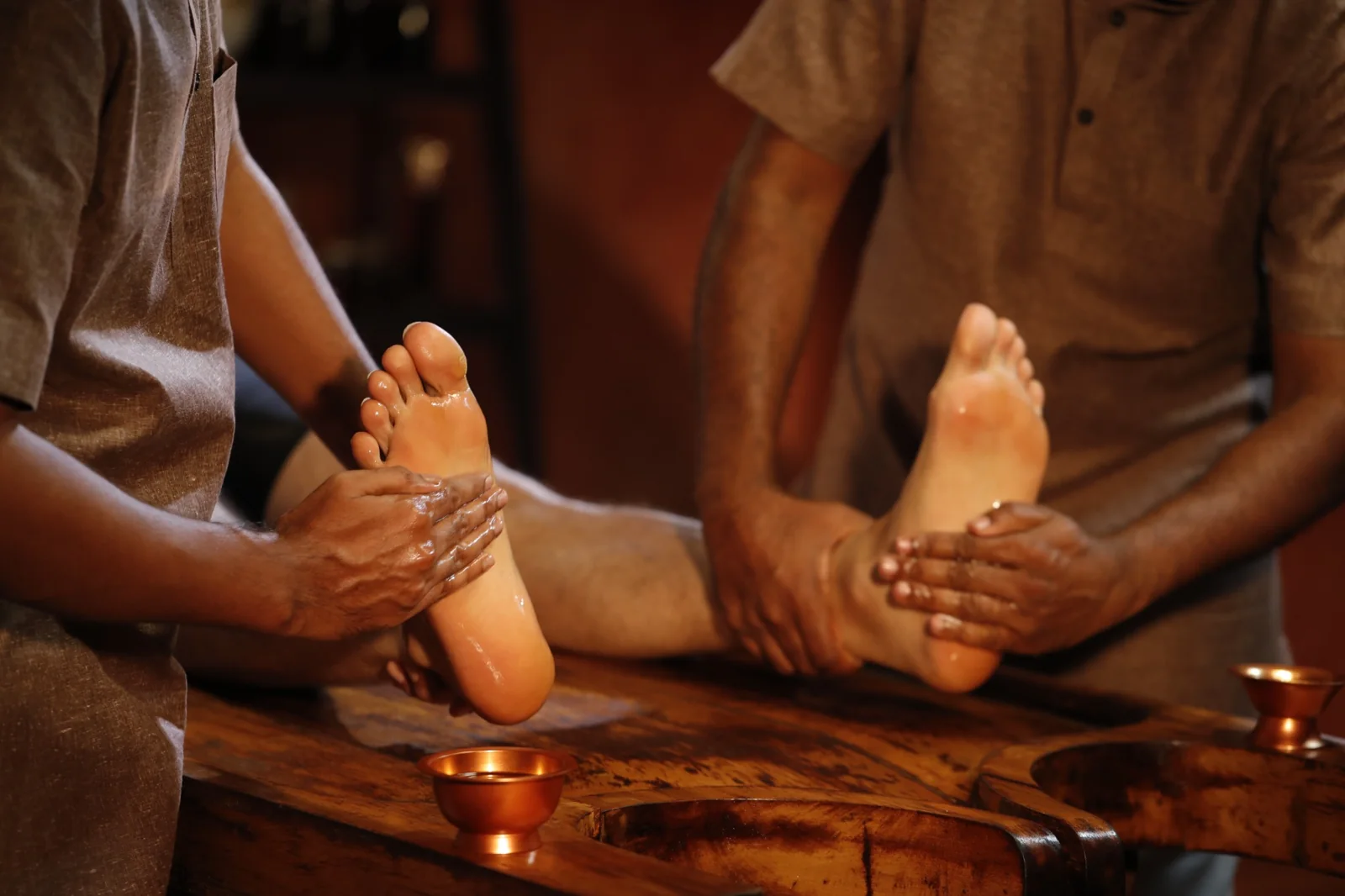
Comprehensive Diabetes Care (CDC) is a Madhavbaug network programme name. Corporate descriptions refer to dietary planning and selected Panchakarma procedures; Prameha is a diet-kit name used in that context. Confirm the actual Pimpri offering, ingredients, nutrition plan, monitoring and suitability before enrolling. An intensive diet from a study should never be copied at home. The word reversal in a programme name is not a promise of cure or freedom from medicines.
The doctor reviews your diagnosis, blood glucose readings, HbA1c, medicines, symptoms and usual routine. HbA1c reflects longer-term blood sugar patterns and is interpreted alongside other findings. Your targets and review schedule should be individualized.
Discuss meal timing, portions, familiar local foods, work schedules, sleep and suitable physical activity. Weight management may be relevant. The aim is a practical plan you can follow at home, with review rather than a one-size-fits-all diet.
Ayurvedic care, if appropriate, should be discussed with your treating doctor and monitored alongside prescribed treatment. Do not reduce insulin or tablets yourself. Improvement does not guarantee remission or a permanent cure. Type 1 diabetes requires insulin and specialist management.
Ask about appropriate eye, foot, kidney, blood pressure and cholesterol checks. Bring any history of low blood sugar. An unhealed wound, new foot swelling or recurrent low readings needs prompt medical attention. Severe illness, confusion or loss of consciousness needs emergency care.
Bring a realistic account of your meals, snacks, beverages and workday. Ask how familiar foods can fit the plan, what portion guidance means in practice and how to manage festivals or travel. Kidney disease, pregnancy, frailty or a history of low glucose can change what is suitable. Diet changes and medicine decisions should be coordinated.
Nutrition & everyday care →Discuss a manageable activity plan with the team that treats your diabetes. Foot problems, eye disease, cardiac symptoms and medicines may affect safety. Ask whether you need to check glucose around activity and how to handle illness or a missed meal. More vigorous exercise is not automatically better.
Use these points to discuss diabetes management with the clinic. Your clinician confirms the individual plan, preparation and follow-up.
Discuss the CDC programme, diet support, selected Panchakarma and the monitoring arrangements that apply to you.
HbA1c reflects average glucose over roughly three months; fasting and other glucose tests answer different questions. Ask which results are relevant.
Confirm your written meal plan and what to do about low glucose, missed meals, illness or fasting. Do not copy a low-calorie research diet yourself.
Clarify eye, kidney, foot and cardiac follow-up even when readings improve.
Educational source: NIDDK — diabetes tests and diagnosis. Checked 21 October 2026; individual clinical review remains necessary.
Ask the clinic about your plan →Your plan and review schedule are individual. These steps describe a care discussion, without promising a treatment timeline or result.
Bring the diabetes history, prescriptions and the concerns you want to address.
Discuss dated readings, HbA1c and episodes that do not fit your usual pattern.
Choose workable food and activity priorities within your medical needs.
Review suitability and interactions before any Ayurvedic product or procedure.
Agree on what to record and when to seek medical advice.
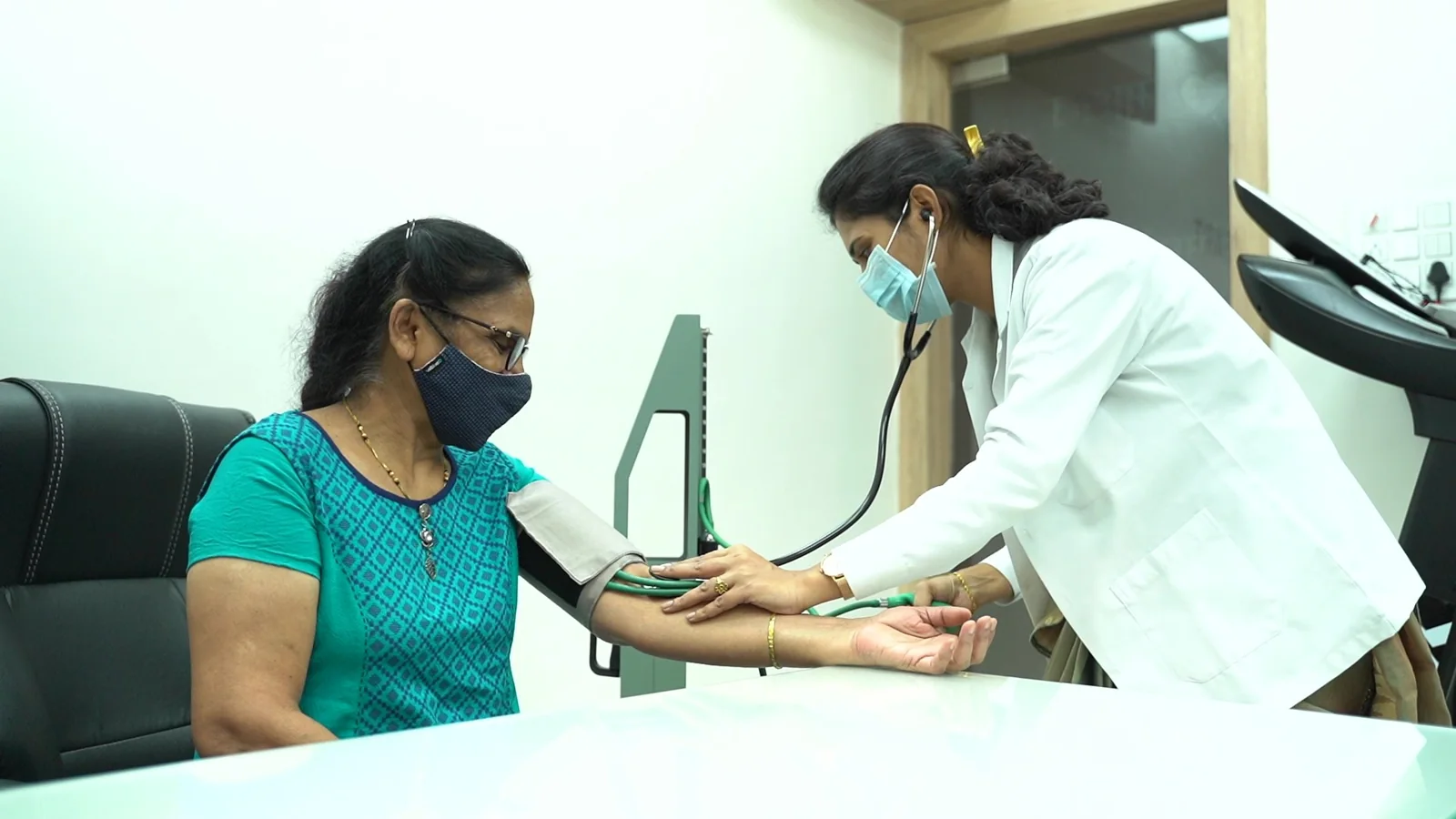
Keep screening and specialist follow-up even when glucose improves.
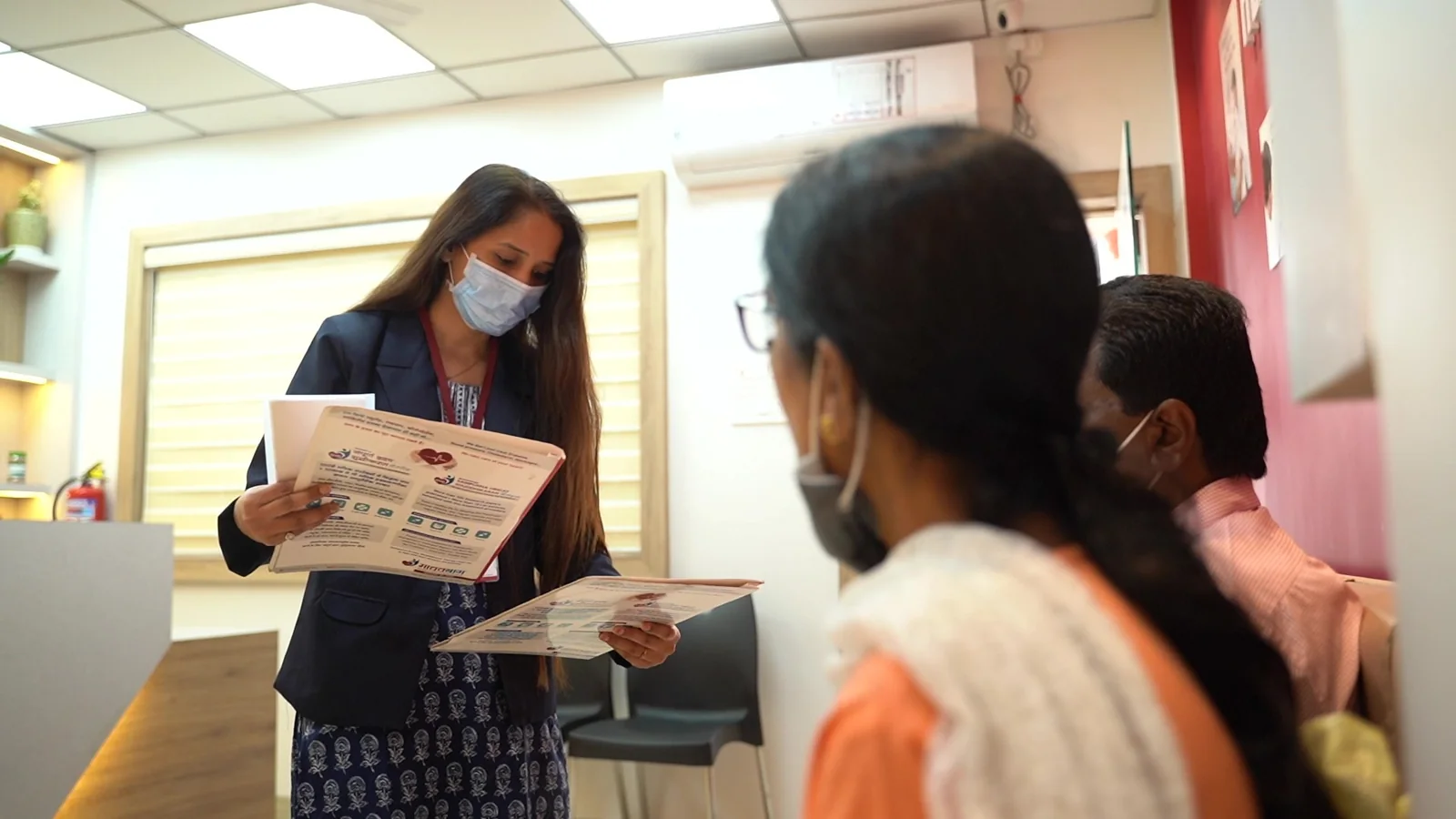
Ask about suitability, fees, preparation, expected follow-up and how progress will be assessed. Booking availability is confirmed through the clinic’s existing booking service.
View appointment availabilityInvestigations are chosen to answer a clinical question. This list is not a prescription for tests or a claim that every investigation is performed on-site.
Bring dated results and note changes in medicines or illness around those dates. HbA1c and daily glucose readings answer different questions.
Explain which medicines you use and whether meals or activity trigger symptoms. Ask how changes to your routine should be monitored.
Bring relevant eye, kidney, nerve, foot or cardiac reports. Screening and specialist treatment must continue where indicated.
Discuss meal timing, fasting, shifts, travel and practical access to suitable food rather than accepting a standard plan.
Your history, current treatment and health priorities guide the consultation.
Explore an individual conversationMeet Dr. Shital More-Mhaisane, BAMS, MD (Ayurveda), and understand her approach.
Explore a named clinicianDiscuss familiar foods, routines and activity that fit your medical needs.
Explore practical everyday supportAgree on relevant readings and follow-up rather than assuming every test is required.
Explore monitoring with a purposeAsk about suitability, precautions and when specialist input should continue.
Explore know the scope of careCheck the location, contact details and appointment arrangements before travelling.
Explore your clinic in morwadiDiscuss your health history, reports and daily routine with Dr. Shital More-Mhaisane. An individual assessment guides suitable options and follow-up.
Patient experiences offer perspective; they do not predict another person’s outcome.
Explore patient experiences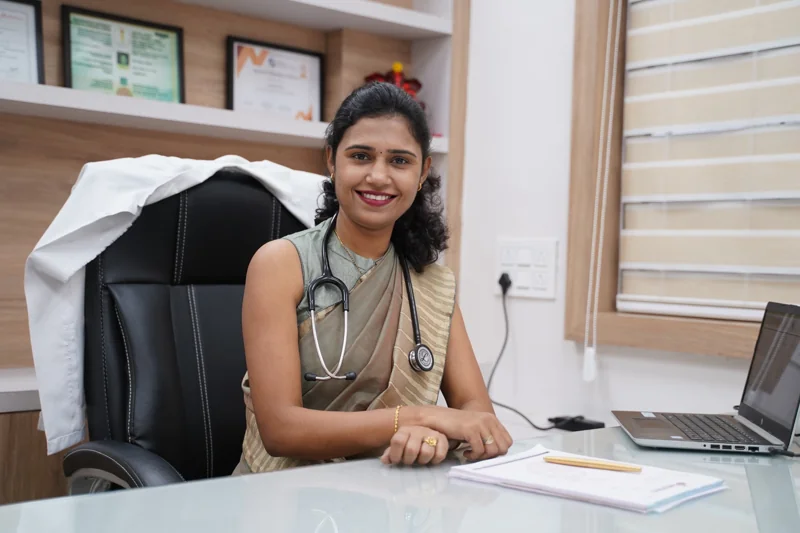
Remission is different from cure. Some people with type 2 diabetes reach glucose levels below the diabetes range without glucose-lowering medicines, but the term has a clinical definition and requires continued follow-up. A retrospective CDC report describes outcomes after a combined programme; without a randomized comparison it cannot isolate which component caused changes or predict your response. It is not evidence for stopping insulin independently.
Programme terminology is researched from Madhavbaug network material. Network descriptions and published study findings are not Pimpri-specific outcomes or confirmation of local programme availability.
Further reading: Read the educational source. General guidance does not establish clinic-specific treatment outcomes.
Research & context →Confusion, collapse, severe low-glucose symptoms, marked dehydration, persistent vomiting or difficulty breathing requires urgent medical care. Follow the emergency plan given by your diabetes team. Do not stop insulin, fast unexpectedly or delay treatment while waiting for a clinic reply.
Do not stop, reduce or replace prescribed medicines without the clinician responsible for them. Tell your care team about all Ayurvedic products and supplements. Supportive care does not replace urgent hospital care or necessary specialist treatment.
New or severe chest pain, severe breathlessness, fainting, or stroke symptoms need urgent hospital care. Do not wait for a clinic appointment or WhatsApp reply.
The doctor reviews glucose records, HbA1c, medicines, food habits, activity and related risks. Together you can discuss nutrition, suitable Ayurvedic care and follow-up goals. Keep taking prescribed medicines; your treating clinician reviews doses when necessary as readings change.
Symptoms, home readings, HbA1c, medicines and associated risk factors may be reviewed according to individual need.
No. Type 2 diabetes remission can occur in some people, but it is not a permanent cure or a guaranteed result of this care.
Do not fast or change medicines unless specifically instructed. Bring existing glucose and HbA1c reports, prescriptions and any record of low readings; confirm preparation for a planned test separately.
Describe your usual meals, work hours, activity, sleep and any difficulties following your existing plan. Bring available records and prescriptions; you do not need to create an ideal routine before attending.