

PUT THE INFORMATION IN CONTEXT
Understand what the picture shows
A representative food photograph. Diet discussions should consider the overall risk assessment and current treatment; no food pictured guarantees a change in cholesterol.
Madhavbaug Pimpri Morwadi offers cholesterol consultations in Pimpri with lipid-report review and individualized nutrition and lifestyle discussion. Results are considered alongside blood pressure, diabetes, smoking, family history and current prescriptions.
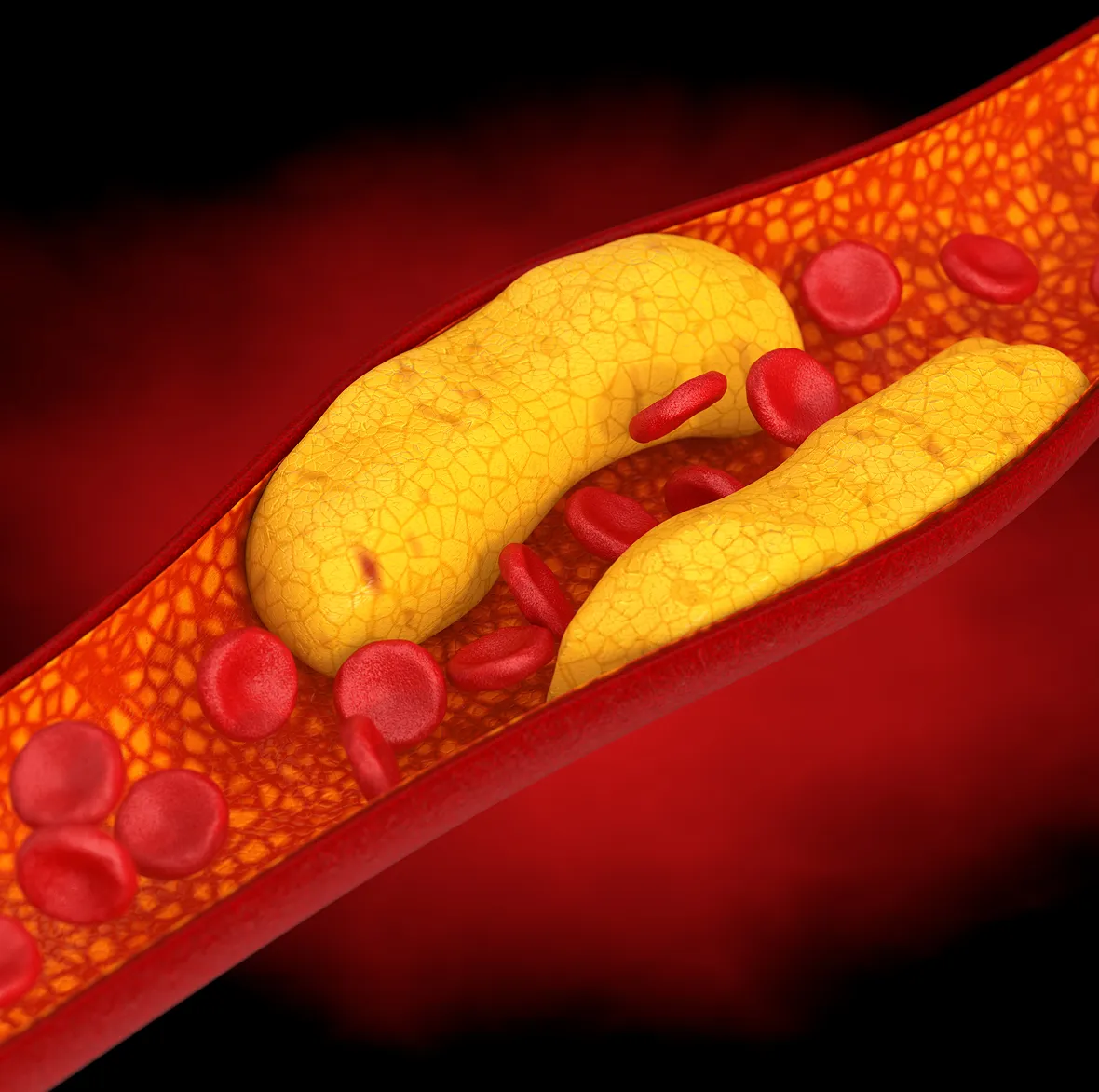
For adults with raised cholesterol, cardiovascular risk factors or questions about a lipid report.
Your visit at Madhavbaug Pimpri Morwadi starts with your history, current treatment and health priorities. Dr. Shital More-Mhaisane considers suitable Ayurvedic care, everyday lifestyle guidance and follow-up individually. Necessary specialist care and prescribed medicines remain part of a coordinated plan.
Plan a consultationCholesterol is needed by the body, but elevated LDL can contribute to plaque in arteries. A lipid report is interpreted alongside overall cardiovascular risk.
Inherited factors, food patterns and conditions such as diabetes or hypothyroidism can affect lipids.
High cholesterol usually causes no symptoms. A symptom checklist cannot replace a blood test.
Ask what LDL, HDL and triglycerides mean for your history. Targets are individualized; food and activity changes do not automatically replace prescribed lipid-lowering treatment.
Understand tests and monitoring →
New or severe chest pain, severe breathlessness, fainting, or stroke symptoms need urgent hospital care. Do not wait for a clinic appointment or WhatsApp reply.
Continue the follow-up and prescribed treatment agreed with your treating clinician. A routine enquiry or a photograph cannot assess the seriousness of a new symptom.
A representative food photograph. Diet discussions should consider the overall risk assessment and current treatment; no food pictured guarantees a change in cholesterol.
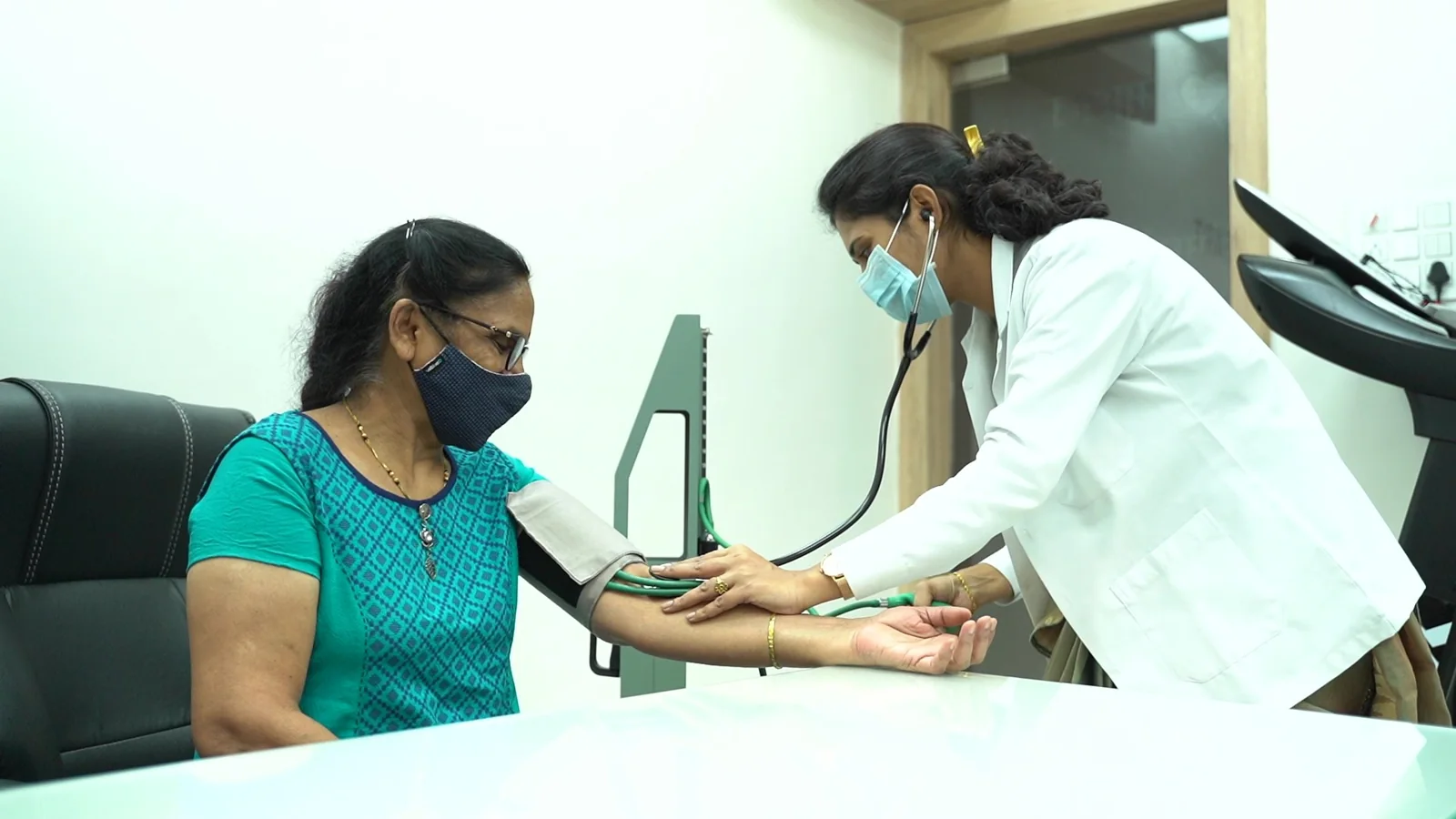
Original clinic photograph. A photograph does not establish a diagnosis, a treatment result or completed medical review of this page.
Ask the clinic about your consultationGeneral educational information · Sources checked 22 October 2026 · Named clinician review pending. Tests described here are selected according to need; this does not confirm on-site availability.
Lipid report in context. Overall heart-risk review. Coordinated treatment discussion
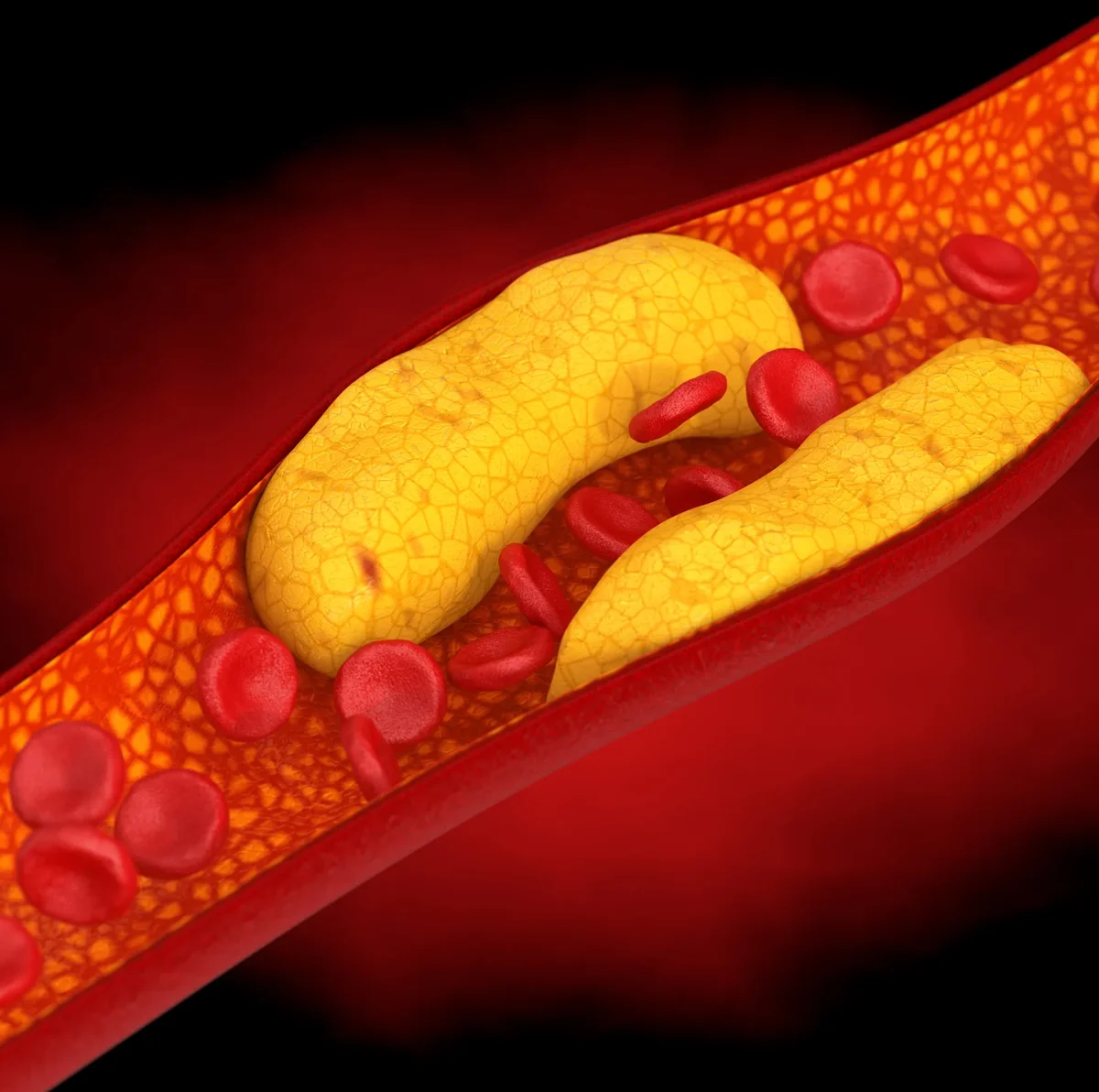
For adults with raised cholesterol, cardiovascular risk factors or questions about a lipid report.
Review the concerns covered above →Suitability is decided by the doctor. Confirm programme contents, clinical supervision, fees and any specialist input before starting care.
Dr. Shital More-Mhaisane · BAMS, MD Ayurveda
Morwadi, Pimpri-Chinchwad, Pune
Bring your readings, prescriptions and questions. Discuss a suitable next step.
A lipid profile commonly reports cholesterol measures such as LDL, HDL and triglycerides. The clinician interprets these results with your age, medical history, blood pressure, diabetes, smoking and family history; one number does not define your complete risk.
A lipid profile commonly reports cholesterol measures such as LDL, HDL and triglycerides. The clinician interprets these results with your age, medical history, blood pressure, diabetes, smoking and family history; one number does not define your complete risk.
Cholesterol is one part of cardiovascular risk. Your personal prevention plan may depend on previous heart or vascular disease, other conditions, family history and overall clinical findings. Bring both recent and earlier reports to help identify a trend.
Food choices and activity can support heart health, but they do not automatically replace statins or other prescribed lipid-lowering treatment. Do not stop or reduce medicines based on a website, testimonial or a single improved result. Discuss herbs and supplements with your treating clinician.
Your clinician can discuss whether repeat testing or specialist review is useful, and when it should happen. The need for medication and the appropriate target vary by individual. No fixed reduction, blockage reversal or medicine-free outcome is promised.
Discuss your usual food and any clinician-given restrictions before changing your diet.
Nutrition & everyday care →Discuss an activity and rest plan that fits your current health and treatment.
Use these points to discuss cholesterol care with the clinic. Your clinician confirms the individual plan, preparation and follow-up.
A lipid profile commonly reports cholesterol measures such as LDL, HDL and triglycerides. The clinician interprets these results with your age, medical history, blood pressure, diabetes, smoking and family history; one number does not define your complete risk.
Cholesterol is one part of cardiovascular risk. Your personal prevention plan may depend on previous heart or vascular disease, other conditions, family history and overall clinical findings. Bring both recent and earlier reports to help identify a trend.
Food choices and activity can support heart health, but they do not automatically replace statins or other prescribed lipid-lowering treatment. Do not stop or reduce medicines based on a website, testimonial or a single improved result. Discuss herbs and supplements with your treating clinician.
Your clinician can discuss whether repeat testing or specialist review is useful, and when it should happen. The need for medication and the appropriate target vary by individual. No fixed reduction, blockage reversal or medicine-free outcome is promised.
Your plan and review schedule are individual. These steps describe a care discussion, without promising a treatment timeline or result.

Bring your existing reports, prescriptions and questions.
Explain your symptoms, history and everyday routine.
Ask about preparation, limitations, fees and follow-up.
Confirm who reviews results and how to contact the clinic.

Ask about suitability, fees, preparation, expected follow-up and how progress will be assessed. Booking availability is confirmed through the clinic’s existing booking service.
View appointment availabilityInvestigations are chosen to answer a clinical question. This list is not a prescription for tests or a claim that every investigation is performed on-site.
Bring information already available; the clinician decides whether additional assessment is needed.
Bring information already available; the clinician decides whether additional assessment is needed.
Bring information already available; the clinician decides whether additional assessment is needed.
Your history, current treatment and health priorities guide the consultation.
Explore an individual conversationMeet Dr. Shital More-Mhaisane, BAMS, MD (Ayurveda), and understand her approach.
Explore a named clinicianDiscuss familiar foods, routines and activity that fit your medical needs.
Explore practical everyday supportAgree on relevant readings and follow-up rather than assuming every test is required.
Explore monitoring with a purposeAsk about suitability, precautions and when specialist input should continue.
Explore know the scope of careCheck the location, contact details and appointment arrangements before travelling.
Explore your clinic in morwadiDiscuss your health history, reports and daily routine with Dr. Shital More-Mhaisane. An individual assessment guides suitable options and follow-up.
Patient experiences offer perspective; they do not predict another person’s outcome.
Explore patient experiences
Use the source material below to prepare questions. General educational information does not establish a local outcome or guarantee suitability.
Programme terminology is researched from Madhavbaug network material. Network descriptions and published study findings are not Pimpri-specific outcomes or confirmation of local programme availability.
Further reading: Read the educational source. General guidance does not establish clinic-specific treatment outcomes.
Research & context →New or severe chest pain, severe breathlessness, fainting, or stroke symptoms need urgent hospital care. Do not wait for a clinic appointment or WhatsApp reply.
Do not stop, reduce or replace prescribed medicines without the clinician responsible for them. Tell your care team about all Ayurvedic products and supplements. Supportive care does not replace urgent hospital care or necessary specialist treatment.
New or severe chest pain, severe breathlessness, fainting, or stroke symptoms need urgent hospital care. Do not wait for a clinic appointment or WhatsApp reply.
Review your complete lipid profile alongside heart history, blood pressure, diabetes, medicines and daily routine. The doctor can help identify suitable dietary and activity changes and discuss Ayurvedic options. Agree on monitoring goals while continuing any prescribed lipid-lowering treatment.
Do not stop or change a prescribed statin yourself. Discuss your overall cardiovascular risk and results with the clinician who manages your treatment.
Bring the complete recent lipid profile and earlier results if available, along with your prescriptions and relevant heart, diabetes and blood pressure history.
Food and activity changes can support cardiovascular health, but they do not replace medication for everyone. Your clinician decides what is appropriate for your risk.
No. Raised cholesterol usually has no obvious symptoms. Your clinician interprets a lipid profile with your wider cardiovascular risk and decides when follow-up testing is needed.