
PUT THE INFORMATION IN CONTEXT
Understand what the picture shows
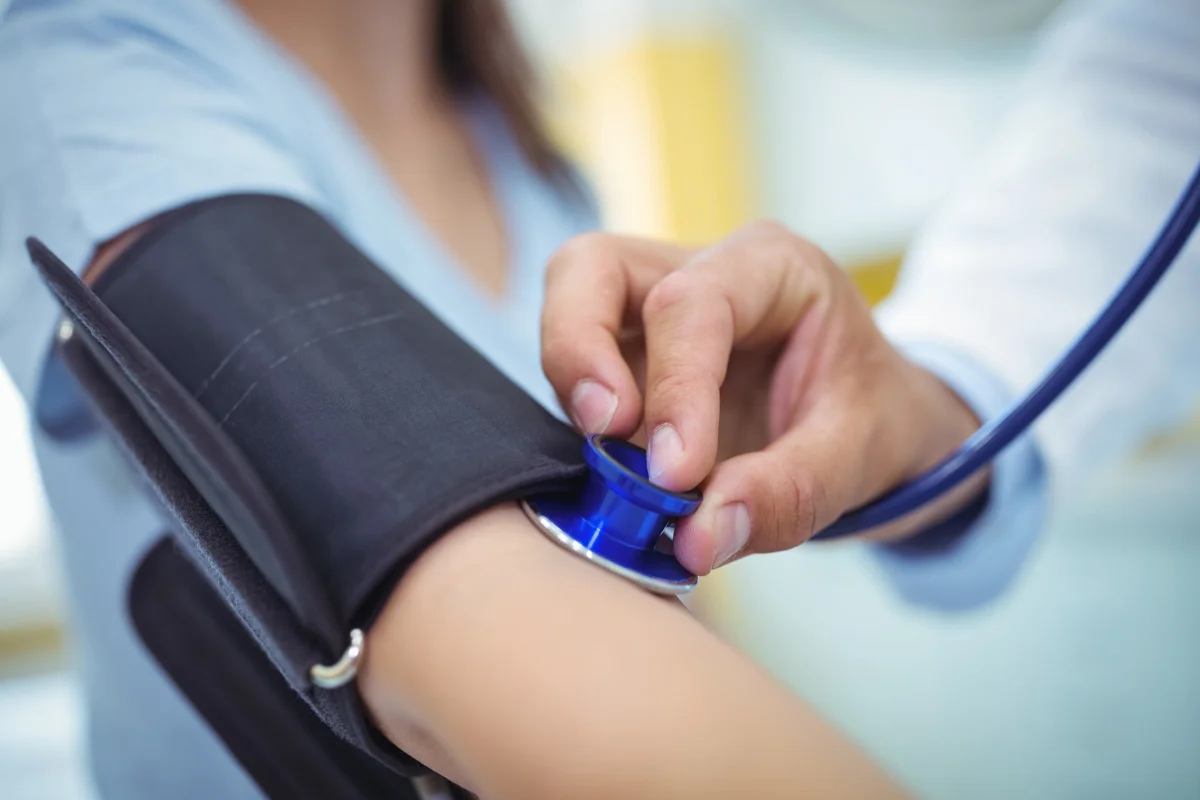
A representative arm-cuff blood-pressure measurement. A photograph or one reading cannot establish an individual diagnosis.
Understand your readings and build a supervised plan for blood pressure, lifestyle and ongoing care.
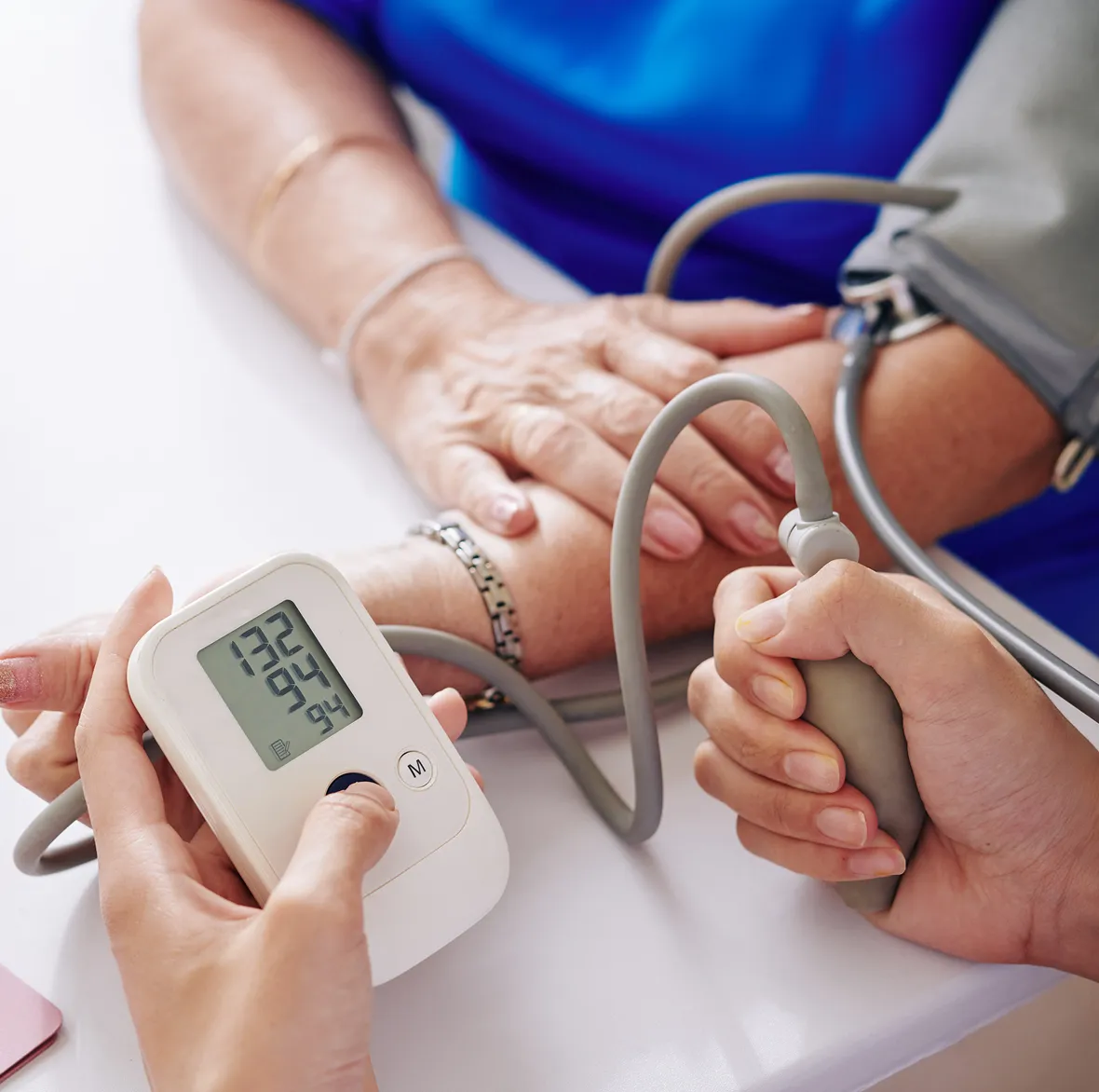
Hypertension means blood pressure stays higher than it should over time. A single reading can be influenced by technique and circumstances, so diagnosis and treatment decisions need clinical interpretation. High blood pressure often has no obvious symptoms. Feeling calm or having no headache does not show that pressure is controlled.
Your visit at Madhavbaug Pimpri Morwadi starts with your history, current treatment and health priorities. Dr. Shital More-Mhaisane considers suitable Ayurvedic care, everyday lifestyle guidance and follow-up individually. Necessary specialist care and prescribed medicines remain part of a coordinated plan.
Plan a consultationHypertension means blood pressure remains raised. One reading needs context, and an agreed monitoring plan helps guide care.
Family history, age, food patterns, medicines and kidney or other health conditions can affect blood pressure.
High blood pressure often has no symptoms. Chest pain, stroke symptoms or severe breathlessness require urgent care rather than waiting for another reading.
Correct cuff size and measurement technique matter. A clinician may compare repeated clinic, home or ambulatory readings before making treatment decisions.
Understand tests and monitoring →
New or severe chest pain, severe breathlessness, fainting, or stroke symptoms need urgent hospital care. Do not wait for a clinic appointment or WhatsApp reply.
Continue the follow-up and prescribed treatment agreed with your treating clinician. A routine enquiry or a photograph cannot assess the seriousness of a new symptom.
A representative arm-cuff blood-pressure measurement. A photograph or one reading cannot establish an individual diagnosis.
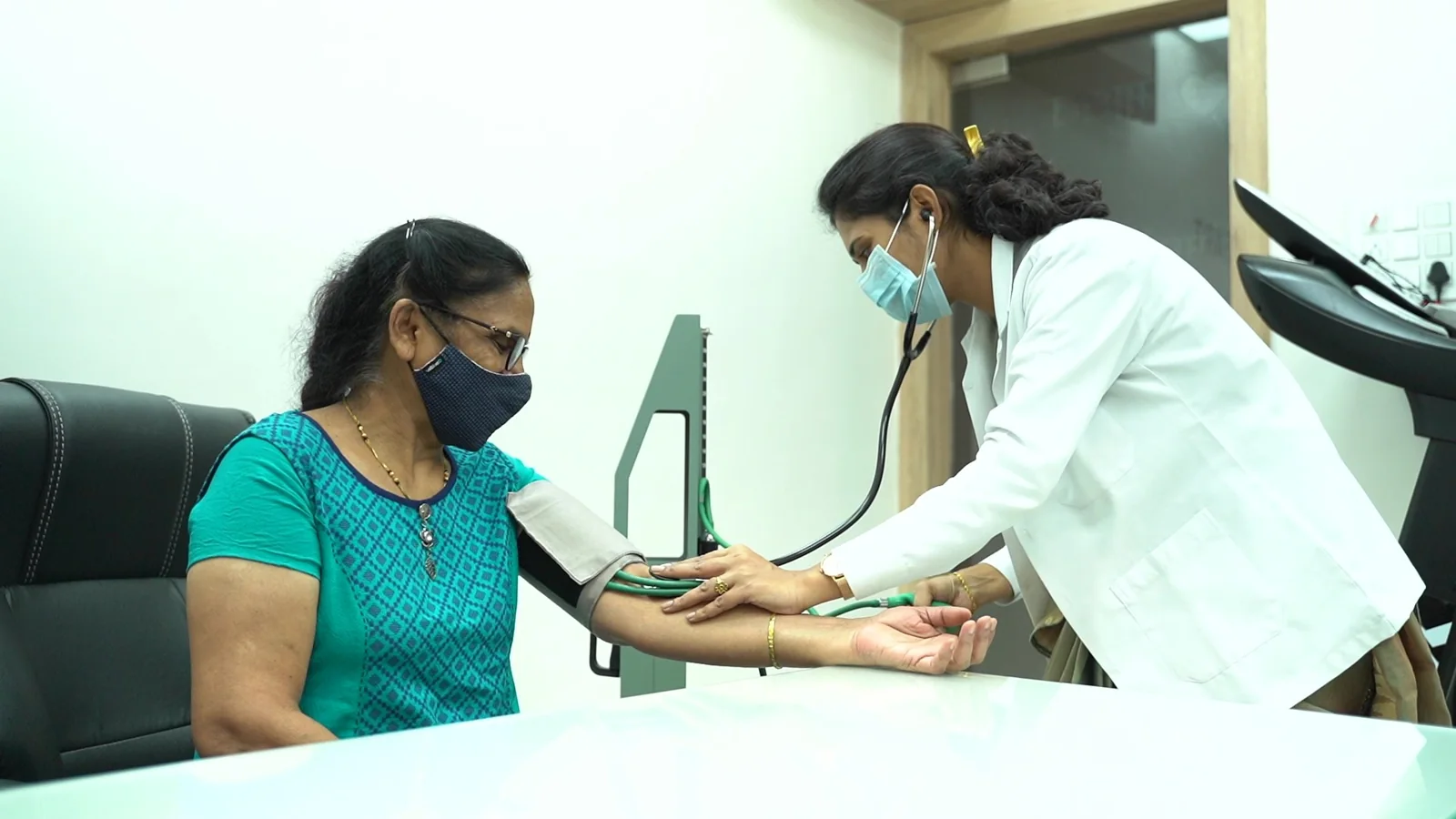
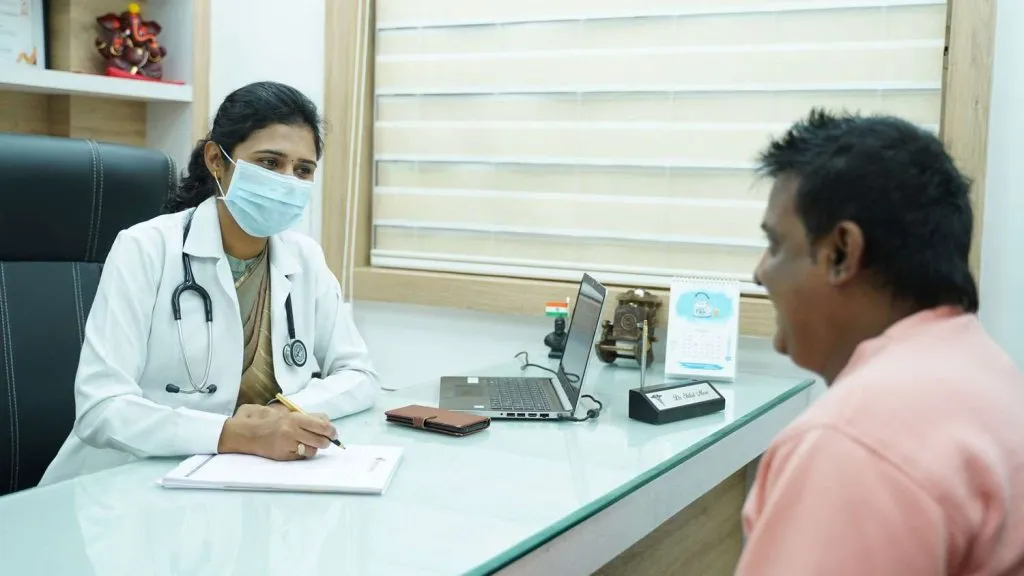
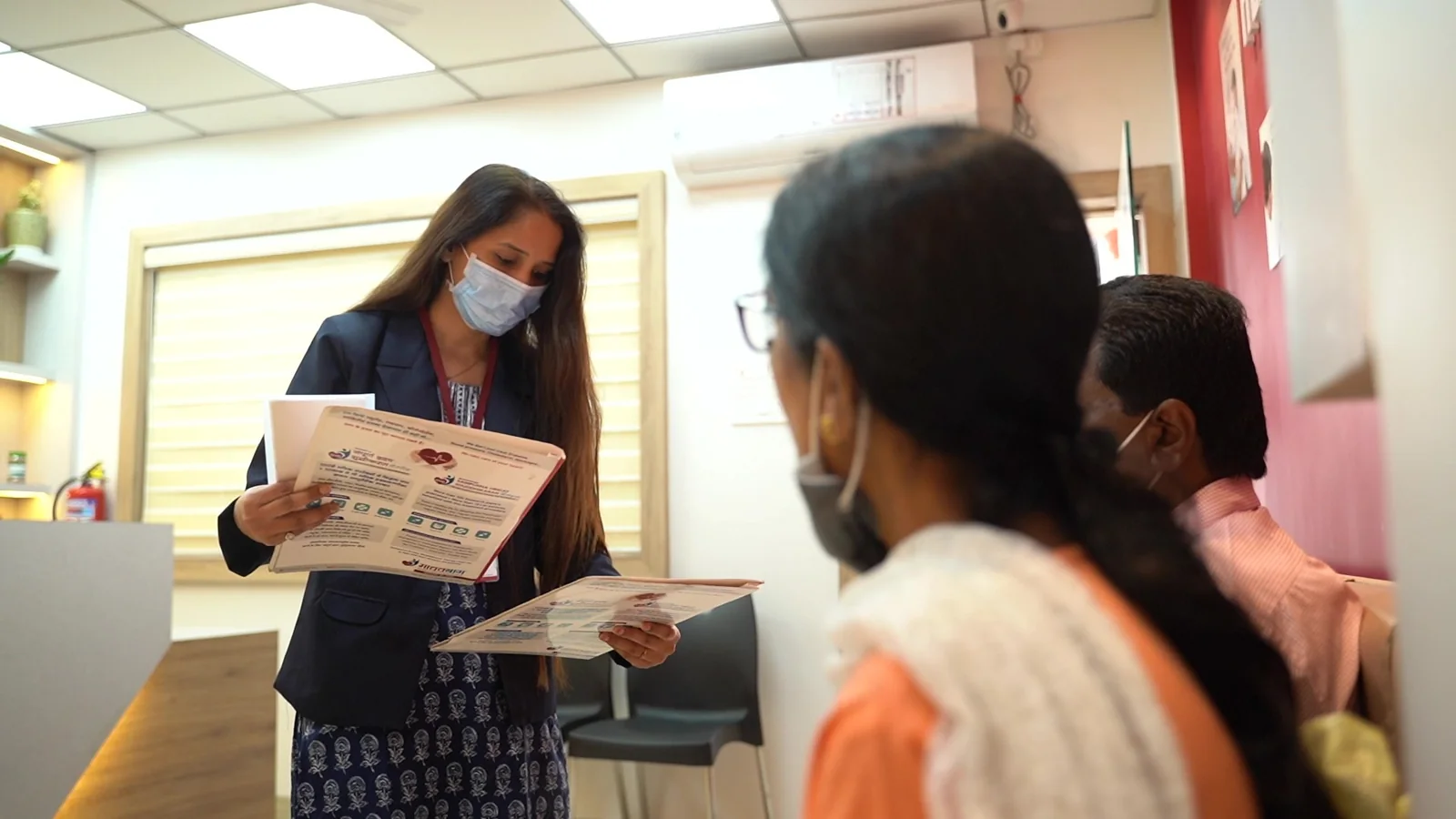
Original clinic photograph. A photograph does not establish a diagnosis, a treatment result or completed medical review of this page.
Ask the clinic about your consultationGeneral educational information · Sources checked 22 October 2026 · Named clinician review pending. Tests described here are selected according to need; this does not confirm on-site availability.
Discuss family history, salt intake, body weight, activity, alcohol, tobacco, sleep, stress and current medicines. Kidney disease, diabetes and other health conditions can affect assessment. Do not assume every high reading is caused by stress or that one lifestyle change will remove the need for treatment.
Blood pressure management is part of reducing stroke risk. Sudden facial weakness, arm weakness or speech difficulty needs emergency care, even if symptoms improve. Routine clinic booking must not delay urgent assessment.
Read the full hypertension and stroke guide →
Read the medical reference ↗Long-term high blood pressure can affect the heart. Share cardiac reports and symptoms with your treating team. Lifestyle support belongs alongside appropriate blood-pressure treatment and cardiology review when needed.
Read the full hypertensive heart disease guide →
Read the medical reference ↗Blood pressure and kidney health need coordinated monitoring. Ask your clinician which blood and urine checks are appropriate. Avoid adopting a high-protein diet, supplements or a fixed fluid target without advice if you have kidney disease.
Read the full hypertensive kidney disease guide →
Read the medical reference ↗High blood pressure can affect the eyes. An eye specialist assesses retinal changes; a routine clinic consultation does not replace that examination. Sudden loss or major change of vision needs urgent medical assessment.
Read the full hypertensive retinopathy guide →
Read the medical reference ↗General education, updated 19 October 2026. These sources do not establish local programme availability or Ayurvedic treatment outcomes. Individual clinical review is required.
For adults with high blood pressure or repeated elevated readings, including those living with diabetes.
Review the concerns covered above →Suitability is decided by the doctor. Confirm programme contents, clinical supervision, fees and any specialist input before starting care.
Dr. Shital More-Mhaisane · BAMS, MD Ayurveda
Morwadi, Pimpri-Chinchwad, Pune
Bring your readings, prescriptions and questions. Discuss a suitable next step.
Madhavbaug describes a network hypertension programme combining lifestyle planning, monitoring and selected Ayurvedic care. Ask what is available in Morwadi and how it fits your existing prescription. Shirodhara or steam procedures are not substitutes for emergency blood-pressure treatment. The appropriate aim is supervised control and risk management; no promise of permanent medicine-free blood pressure should be inferred from a programme name.
Blood pressure can change throughout the day. Bring a home reading log, your monitor if useful, and current prescriptions. The doctor can review your measurement technique and decide whether repeated checks or ambulatory monitoring are appropriate.
Your care discussion may cover salt intake, packaged foods, body weight, activity, tobacco, alcohol, stress and sleep. Changes should fit your health, work and household routine. Do not take potassium supplements or change dietary restrictions without advice, particularly with kidney disease.
High blood pressure may have no obvious symptoms. Keep taking medicines as prescribed. Lifestyle measures can support control, but do not automatically replace treatment. Follow-up helps your doctor assess readings and make safe adjustments.
Chest pain, severe breathlessness, stroke symptoms, confusion or fainting require urgent hospital assessment. Very high or unexpectedly elevated readings also need prompt medical advice. Do not use an online enquiry as an emergency service.
Talk about salt in cooking, packaged foods, restaurant meals and the changes your family can realistically make. A universal diet prescription is not appropriate for everyone. Kidney disease or other restrictions can affect advice; potassium supplements and salt substitutes should not be started without checking suitability.
Nutrition & everyday care →Choose a routine that fits your blood pressure, other conditions and physical ability. Discuss exercise if readings are uncontrolled or you have symptoms. Sleep and stress management can form part of a plan, but they should not become reasons to stop monitoring or prescribed treatment.
Use these points to discuss blood pressure care with the clinic. Your clinician confirms the individual plan, preparation and follow-up.
Bring dated blood-pressure readings, current prescriptions and your monitor details if available.
Discuss whether a day-and-night monitoring record would help answer your particular clinical question.
Review salt, sleep, activity and work patterns alongside prescribed care.
Ask which readings require a call, when to review the record and who makes medicine decisions.
Your plan and review schedule are individual. These steps describe a care discussion, without promising a treatment timeline or result.
Share complete records and current prescriptions.
Discuss technique, sleep, symptoms and recent changes.
Use ABPM or other investigations only where the clinician finds them useful.

Agree on food, activity and routine priorities alongside prescribed care.
Assess a pattern of readings rather than a single measurement.
Confirm your next review and whom to contact when symptoms or readings change.
Ask about suitability, fees, preparation, expected follow-up and how progress will be assessed. Booking availability is confirmed through the clinic’s existing booking service.
View appointment availabilityInvestigations are chosen to answer a clinical question. This list is not a prescription for tests or a claim that every investigation is performed on-site.
Bring your monitor if asked. Cuff fit, supported posture, rest and recording conditions affect interpretation.
Bring the full log with dates and times rather than only the highest or lowest values. Follow the schedule set by your clinician.
Ambulatory monitoring may help clarify a clinical question. Confirm fitting, recording instructions, device return and report review.
Bring medicines, adherence concerns, side effects and relevant kidney or diabetes reports. Do not omit missed doses.
Your history, current treatment and health priorities guide the consultation.
Explore an individual conversationMeet Dr. Shital More-Mhaisane, BAMS, MD (Ayurveda), and understand her approach.
Explore a named clinicianDiscuss familiar foods, routines and activity that fit your medical needs.
Explore practical everyday supportAgree on relevant readings and follow-up rather than assuming every test is required.
Explore monitoring with a purposeAsk about suitability, precautions and when specialist input should continue.
Explore know the scope of careCheck the location, contact details and appointment arrangements before travelling.
Explore your clinic in morwadiDiscuss your health history, reports and daily routine with Dr. Shital More-Mhaisane. An individual assessment guides suitable options and follow-up.
Patient experiences offer perspective; they do not predict another person’s outcome.
Explore patient experiences
A lower reading after a programme does not by itself prove a cure or identify which part of the programme caused the change. When considering research, ask whether there was a comparison group, how pressure was measured and whether medicines changed. Long-term follow-up is needed to understand how well control is maintained. National research summaries are not local clinic success rates.
Programme terminology is researched from Madhavbaug network material. Network descriptions and published study findings are not Pimpri-specific outcomes or confirmation of local programme availability.
Further reading: Read the educational source. General guidance does not establish clinic-specific treatment outcomes.
Research & context →Very high readings need prompt clinical advice. A high reading with chest pain, severe breathlessness, neurological symptoms, confusion or fainting needs urgent hospital assessment. Do not use repeated home readings as a reason to delay help when serious symptoms are present.
Do not stop, reduce or replace prescribed medicines without the clinician responsible for them. Tell your care team about all Ayurvedic products and supplements. Supportive care does not replace urgent hospital care or necessary specialist treatment.
New or severe chest pain, severe breathlessness, fainting, or stroke symptoms need urgent hospital care. Do not wait for a clinic appointment or WhatsApp reply.
Bring dated home readings and current prescriptions. The consultation considers BP patterns, food, activity, sleep and related risks. ABPM is available when recommended, helping the clinician assess readings across daily activity and sleep and plan follow-up.
Yes. Ambulatory monitoring is available for patients whose clinician recommends it. Ask about fitting and return arrangements.
No. One reading does not determine your treatment. Continue prescribed medicines and discuss trends with your clinician.
No. It is an individually selected supportive therapy, not a substitute for antihypertensive treatment.
Ask about an appropriate cuff, correct technique and a recording plan. Bring dated readings and your medicine list; do not adjust treatment from a single result.
Ask how to record readings, when to arrange follow-up and whom to contact if you have concerns. Bring the records and prescriptions you already have. A routine enquiry does not provide emergency monitoring.