Morwadi, Pimpri-Chinchwad 10:00 AM–7:00 PM · Wednesday closed+91 73784 43322

Panchakarma in Pimpri

A clinician-led introduction to Panchakarma, with assessment, preparation and after-care suited to you.

Individual assessmentYour history and current treatment
Everyday supportFood, movement and routine
Purposeful follow-upReadings and clinical review
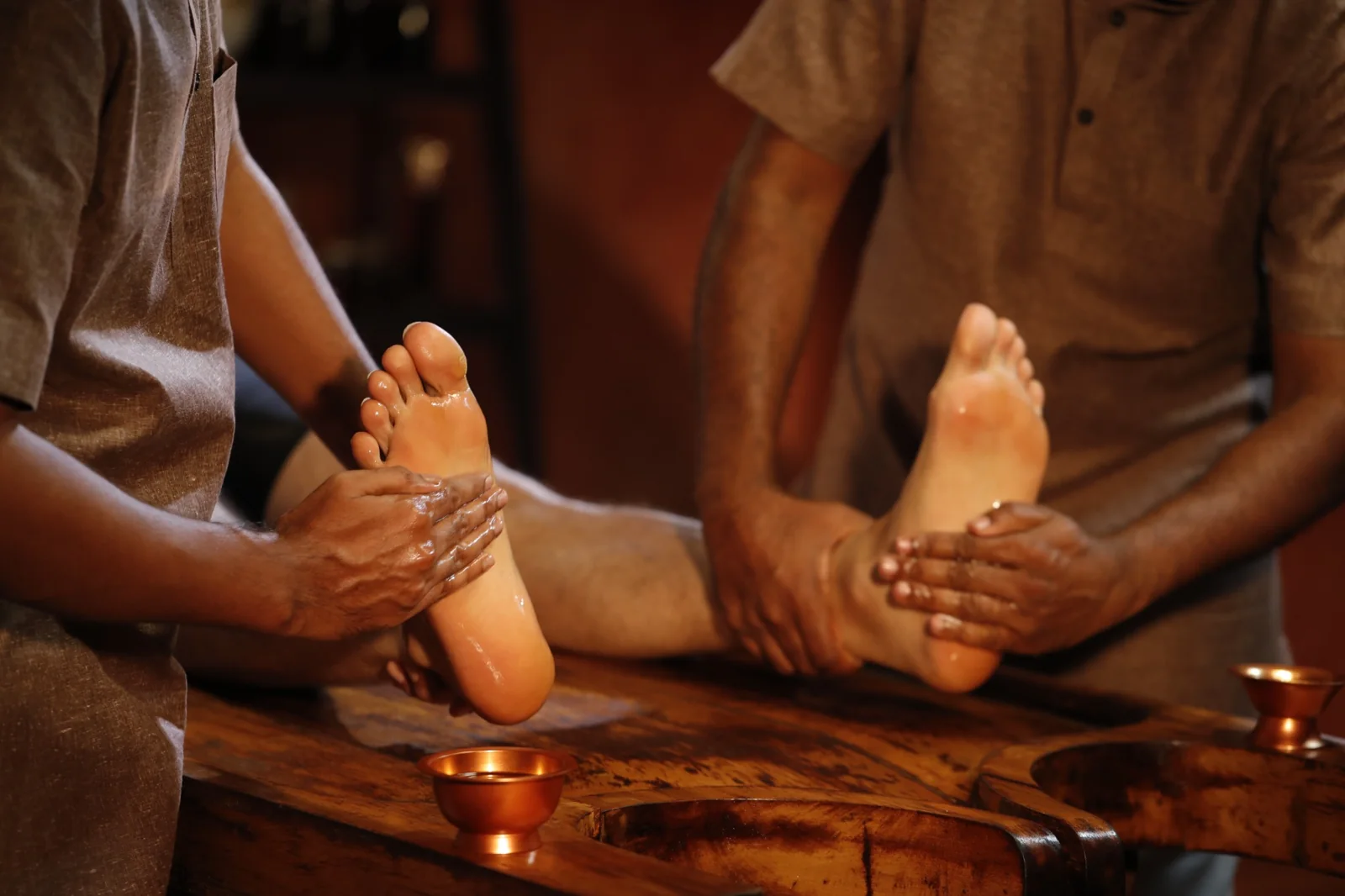
Therapists massaging the feet during Pada Abhyanga
Overview

Panchakarma:
assessment and ongoing care.

Panchakarma refers to a group of Ayurvedic procedures selected after an individual assessment. It is not one standard treatment for every person or disease. A consultation should clarify the proposed procedure, its traditional purpose, practical steps, limitations and alternatives before you decide whether to proceed.

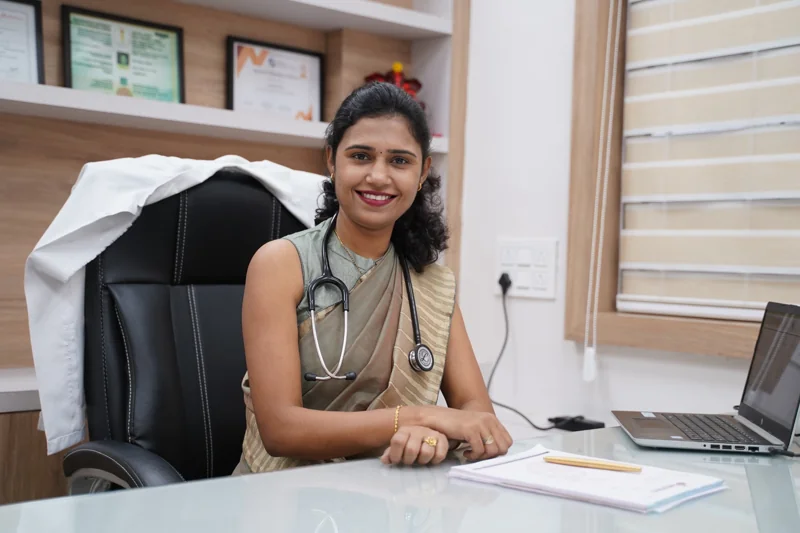
Your visit at Madhavbaug Pimpri Morwadi starts with your history, current treatment and health priorities. Dr. Shital More-Mhaisane considers suitable Ayurvedic care, everyday lifestyle guidance and follow-up individually. Necessary specialist care and prescribed medicines remain part of a coordinated plan.

Plan a consultation
Conditions

Understand panchakarma

Your current symptoms, diagnoses, medicines, allergies, pregnancy status and recent procedures can affect suitability. Tell the clinician about heart or kidney disease, infections, skin problems, bleeding concerns or difficulty tolerating heat. Do not assume that traditional or natural automatically means suitable for you.

  • Suitability assessment
  • Supervised therapies
  • Preparation & after-care
Therapists massaging the feet during Pada Abhyanga
Eligibility

Is this consultation right for you?

For people interested in Ayurvedic therapies who want to understand their suitability before starting.

Review the concerns covered above →

Suitability is decided by the doctor. Confirm programme contents, clinical supervision, fees and any specialist input before starting care.

Dr. Shital More-Mhaisane · BAMS, MD Ayurveda
Morwadi, Pimpri-Chinchwad, Pune

Meet your doctor

A clearer picture starts with a conversation.

Bring your readings, prescriptions and questions. Discuss a suitable next step.

Plan a consultation
Our approach

Ayurvedic and lifestyle support,
built around your assessment.

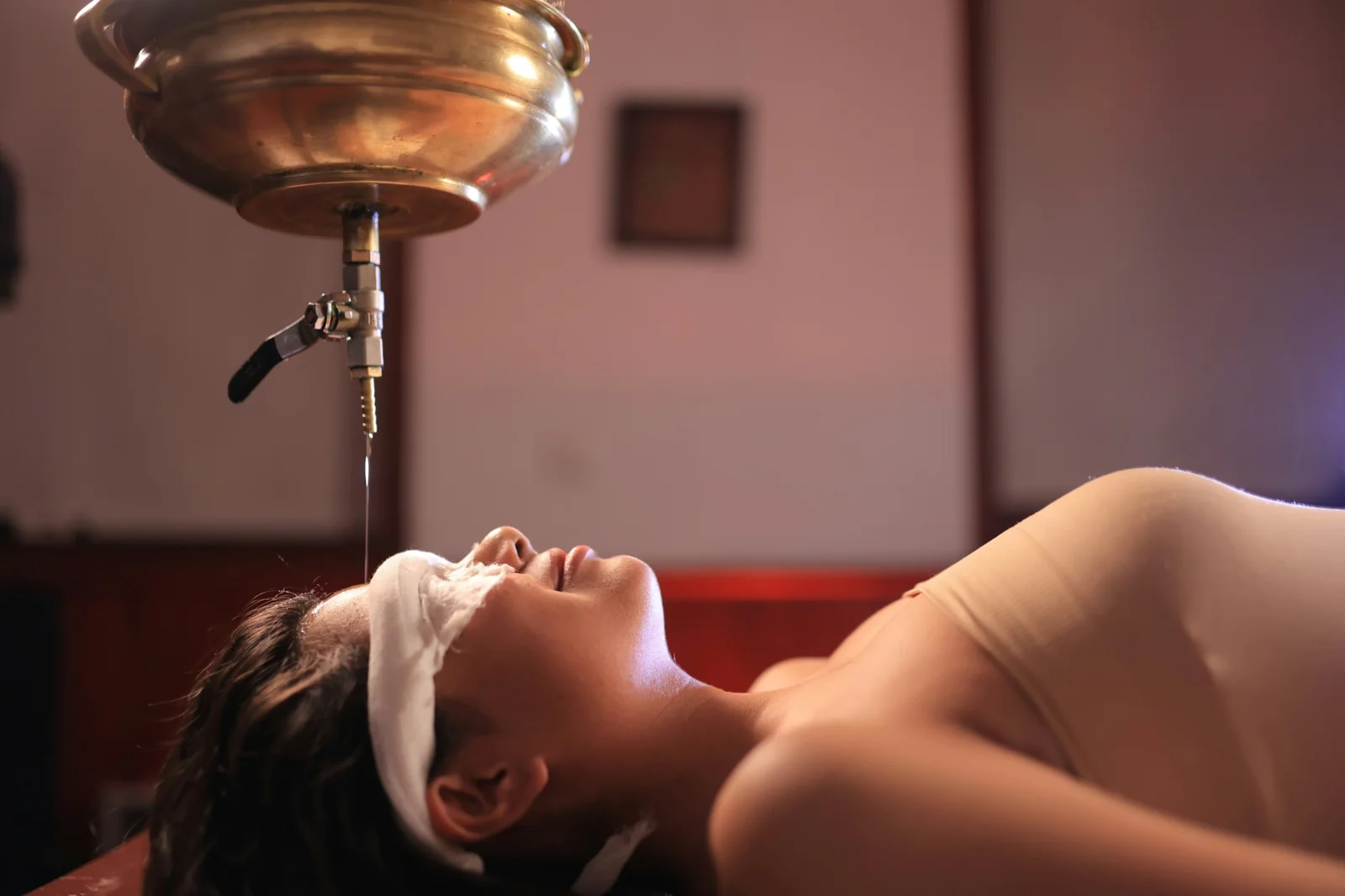
The clinic brief includes Snehana, Swedana, Basti and Shirodhara. These are different procedures: oil-based application or massage, supervised heat/steam, administration of a medicated preparation by the rectal route, and a controlled stream of liquid over the forehead. The exact technique, materials and supervision must be explained by the treating clinician. Traditional terms such as purification are not proof that a procedure removes arterial plaque, treats an acute heart event or universally eliminates toxins.

Therapists massaging the feet during Pada Abhyanga
01

What is Panchakarma?

Panchakarma is a group of classical Ayurvedic procedures. The term is often used in clinics for related preparatory and therapeutic treatments. The exact therapy, intensity and duration should follow an individual Ayurvedic and medical assessment.

02

Therapies discussed at the clinic

Depending on suitability, options may include Snehan (oil application), Swedan (fomentation), Basti (medicated enema) and Shirodhara (a controlled stream of liquid over the forehead). These procedures differ in purpose, preparation and precautions. They are not a universal detox or a guaranteed cure.

03

Check safety before you begin

Tell the doctor about pregnancy, acute illness, heart or kidney disease, blood pressure, diabetes, allergies, recent surgery and all medicines. Some procedures may need to be avoided, modified or delayed. A doctor must decide what is appropriate; an online service choice does not establish eligibility.

04

Preparation and after-care

Ask what to eat, how to prepare, how long the visit will take and what activity or rest is advised afterwards. Follow the specific instructions given for your treatment. Report discomfort or unexpected symptoms promptly. Do not combine treatments or stop prescribed medicines without clinical guidance.

Food that fits your health

Any food guidance should fit your medical needs and the procedure being discussed. Diabetes, kidney disease or other restrictions can affect meal timing and fluid advice. Ask about practical arrangements before a session rather than following a generic detox diet from the internet.

Nutrition & everyday care →

Activity, rest and routine

Ask whether there are procedure-specific rest or activity instructions. Tell the therapist and clinician about discomfort, heat intolerance, dizziness or changes in health. Follow-up should include a chance to discuss unwanted effects and whether the plan remains appropriate.

Check certification and scope →

YOUR PLAN IN PRACTICE

Your care plan in everyday life

Use these points to discuss panchakarma with the clinic. Your clinician confirms the individual plan, preparation and follow-up.

01

Before treatment

Discuss current illness, medicines, allergies, pregnancy and your treatment history before a procedure is selected.

02

Understand the procedure

Ask what will be done, what products will be used, who will supervise and what privacy arrangements are available.

03

During the session

Ask how to communicate discomfort and when a procedure should be paused or stopped.

04

After-care

Request your own food, activity and follow-up instructions; preparation and after-care are not the same for every therapy.

Ask the clinic about your plan →
Patient journey

Your consultation and follow-up

Your plan and review schedule are individual. These steps describe a care discussion, without promising a treatment timeline or result.

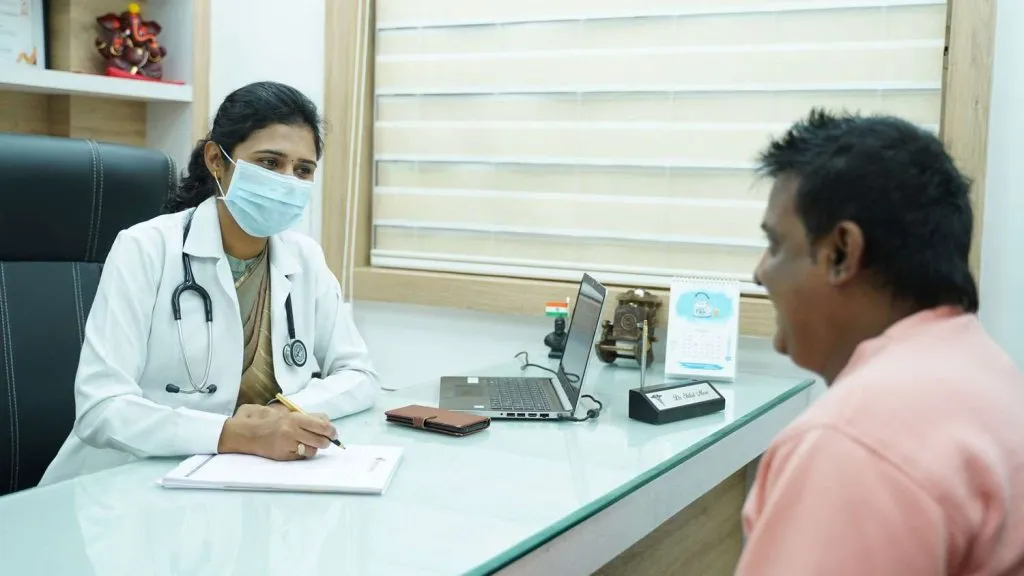
Dr. Shital More-Mhaisane in an original clinic consultation photograph
  1. Step 01

    Discuss your needs

    Explain the concern and what you hope to understand.

    Dr. Shital More-Mhaisane in an original clinic consultation photograph
  2. Step 02

    Review health and medicines

    Assess factors that may make a procedure unsuitable.

    Therapists massaging the feet during Pada Abhyanga
  3. Step 03

    Understand the proposal

    Ask about steps, materials, alternatives, fees and supervision.

    Therapists massaging the feet during Pada Abhyanga
  4. Step 04

    Give informed consent

    Proceed only when you understand and agree to the proposed care.

    Therapists performing foot massage in a supplied therapy photograph
  5. Step 05

    Communicate during care

    Tell the team promptly about discomfort or unexpected symptoms.

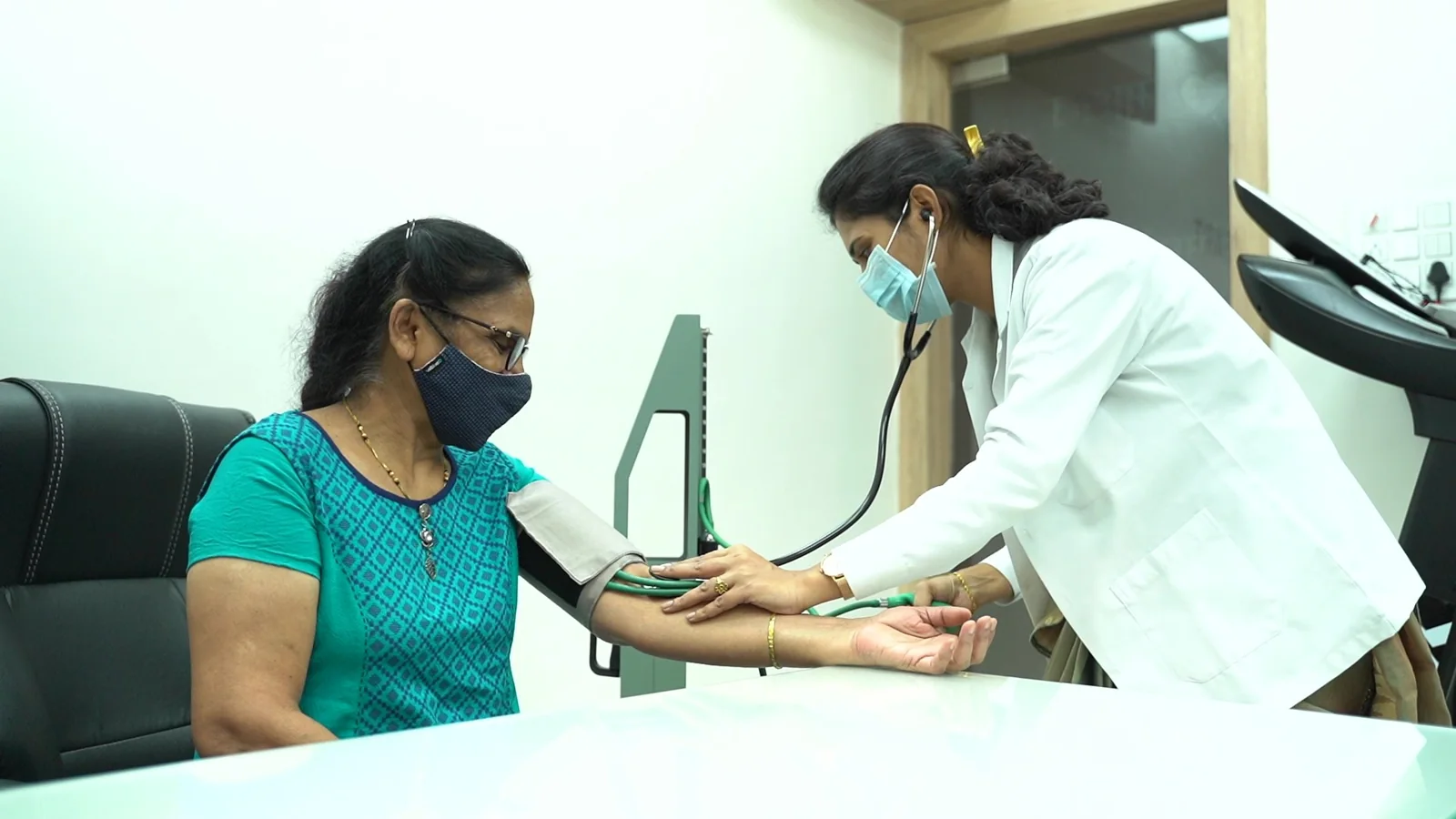
    Clinician carrying out an individual examination
  6. Step 06

    Review and plan after-care

    Confirm instructions, warning signs and whether another session is appropriate.

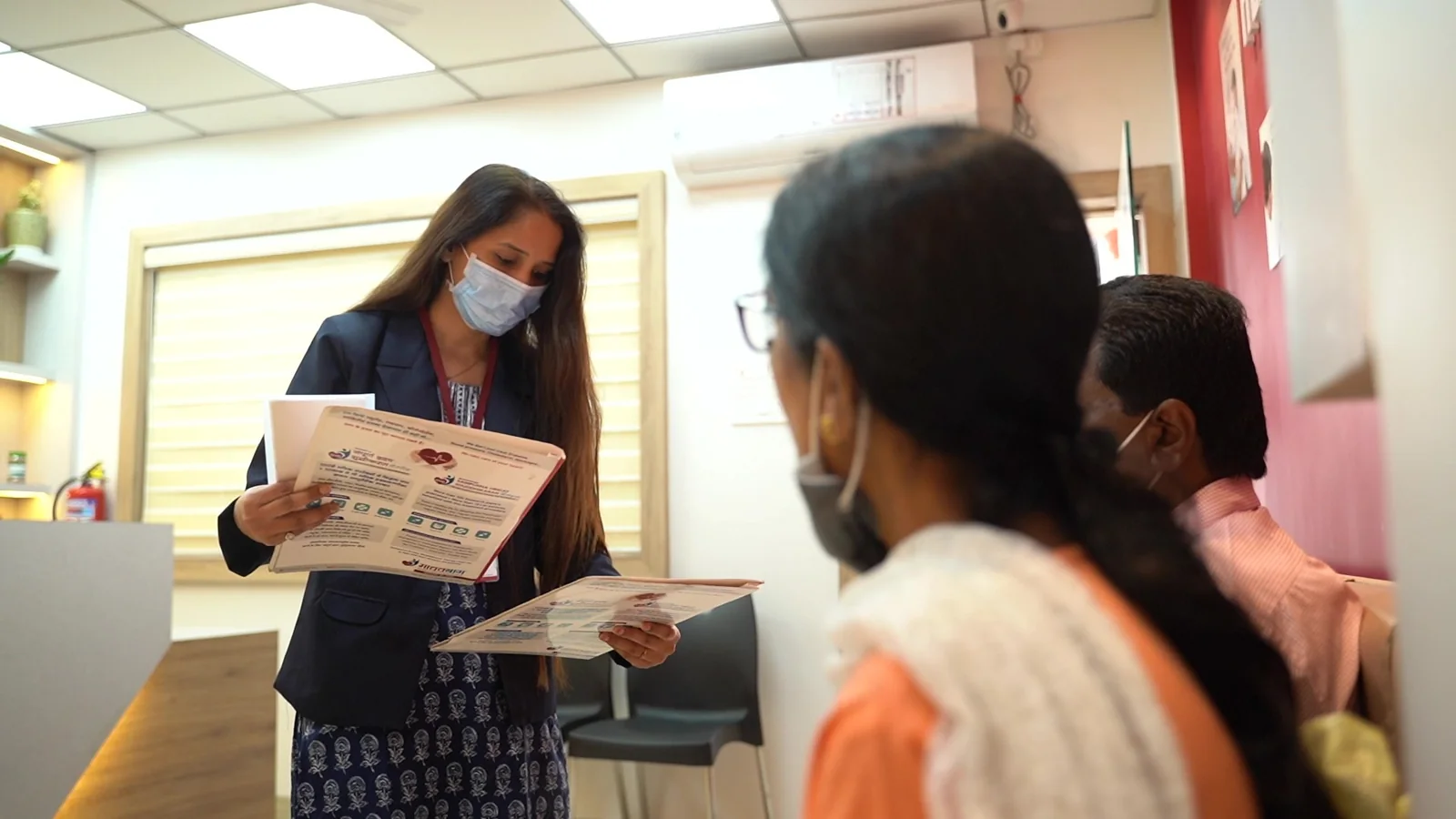
    Care coordination in a supplied clinic photograph

What should you bring?

  • Medical history and current medicines
  • Allergies and previous therapy experience
  • Questions about preparation and after-care

Ask about suitability, fees, preparation, expected follow-up and how progress will be assessed. Booking availability is confirmed through the clinic’s existing booking service.

View appointment availability
Tests & assessment

Assessment, reports and monitoring

Investigations are chosen to answer a clinical question. This list is not a prescription for tests or a claim that every investigation is performed on-site.

Purpose and alternatives

Ask what concern the procedure is intended to support and what other options are available.

Suitability and precautions

Share medical conditions, recent hospital care, pregnancy and current medicines before a session is planned.

Procedure details

Confirm duration, materials, hygiene, who supervises and how comfort and privacy are protected.

Preparation and after-care

Obtain instructions specific to your procedure. Do not fast, change medicines or restrict fluids unless the responsible clinician advises it.

Assessment & monitoring information →
Why Madhavbaug Pimpri?

Your doctor, follow-up and clinic location

Care in Pimpri

Your care starts
with your own story.

Discuss your health history, reports and daily routine with Dr. Shital More-Mhaisane. An individual assessment guides suitable options and follow-up.

Patient experiences offer perspective; they do not predict another person’s outcome.

Explore patient experiences
Original photograph of Dr. Shital More-Mhaisane at her clinic desk
Research & further reading

Read the evidence.
Understand its limitations.

Evidence varies between procedures, products and conditions. It should be assessed for the particular claim, not treated as proof for Panchakarma as a whole. Ayurvedic products can have safety and interaction concerns; share them with your medical team. This website does not claim a universal detox mechanism or guarantee disease reversal.

Programme terminology is researched from Madhavbaug network material. Network descriptions and published study findings are not Pimpri-specific outcomes or confirmation of local programme availability.

Research & context →

When is another level of care needed?

New chest pain, breathing difficulty, fainting, severe weakness or an unexpected significant reaction needs medical assessment. Do not accept serious symptoms as a necessary cleansing response. A procedure should be stopped and assessed when the supervising clinician considers it unsafe.

Do not stop, reduce or replace prescribed medicines without the clinician responsible for them. Tell your care team about all Ayurvedic products and supplements. Supportive care does not replace urgent hospital care or necessary specialist treatment.

Questions to ask Dr. Shital

  • Why is this particular procedure being proposed for me?
  • What are the risks, alternatives and reasons to postpone it?
  • Who will supervise and how are hygiene and privacy protected?
  • What should I do if I feel unwell during or after the session?

New or severe chest pain, severe breathlessness, fainting, or stroke symptoms need urgent hospital care. Do not wait for a clinic appointment or WhatsApp reply.

FAQs

Frequently asked questions

How is a Panchakarma plan selected?

The doctor reviews your health, prescriptions and goals before explaining suitable procedures, preparation and after-care. The plan can be adapted to your condition and schedule; some procedures may be deferred. Ask what benefit is intended, how progress will be assessed and what precautions apply.

Is Panchakarma suitable for everyone?

No. Procedures may be modified or deferred after assessment. Share pregnancy status, recent illness and current treatment.

Is Shirodhara available?

Yes, after individual assessment. Ask which therapy is proposed, why, its risks, fees and after-care.

How does Panchakarma fit within heart-health programmes?

Selected procedures are used within Madhavbaug programmes alongside nutrition and clinical monitoring. Discuss the purpose and evidence for your condition with the doctor. Improvement in symptoms or exercise capacity is different from proof that an arterial narrowing has cleared; continue necessary cardiac care.

What practical arrangements should I confirm for Panchakarma?

Confirm the name of the procedure, supervision, privacy arrangements, preparation, aftercare, charges and follow-up for your own appointment. Do not select a procedure solely from a photograph or general description.

Explore the full FAQ bank →
A CLOSER LOOK AT AYURVEDIC CARE

Explore therapy photographs

See what selected procedures can look like, then discuss the right next step with your clinician. Photographs explain the setting; they do not establish treatment suitability or results.

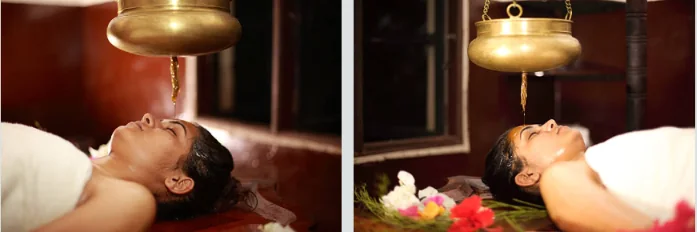
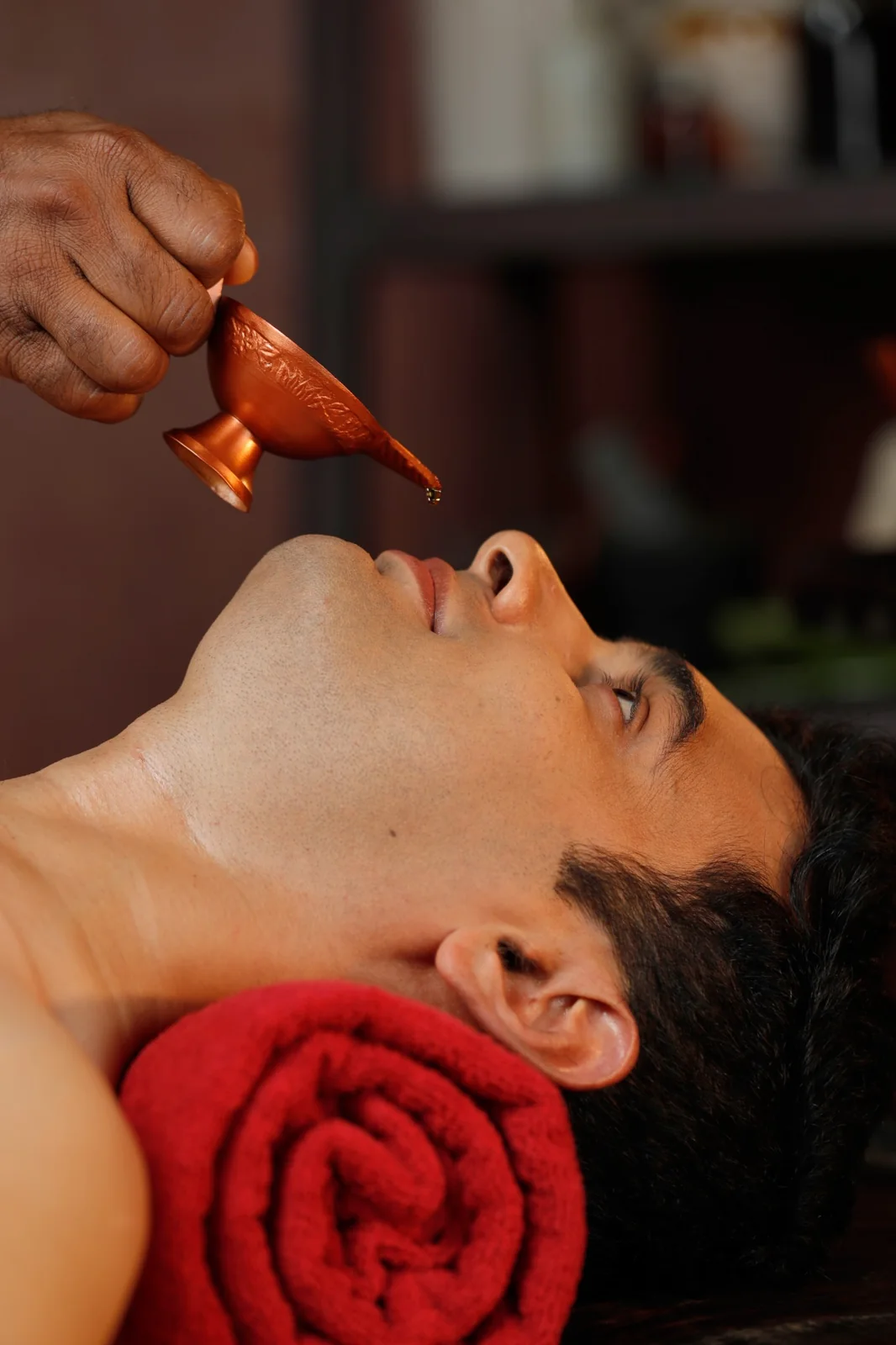
Supplied montage showing Ayurvedic therapy procedures
Two supplied photographs showing an oil stream above the forehead during Shirodhara

Therapy selection requires assessment. Continue prescribed medicines unless your treating clinician changes them.

Open the full photo gallery →

Understand your therapy options

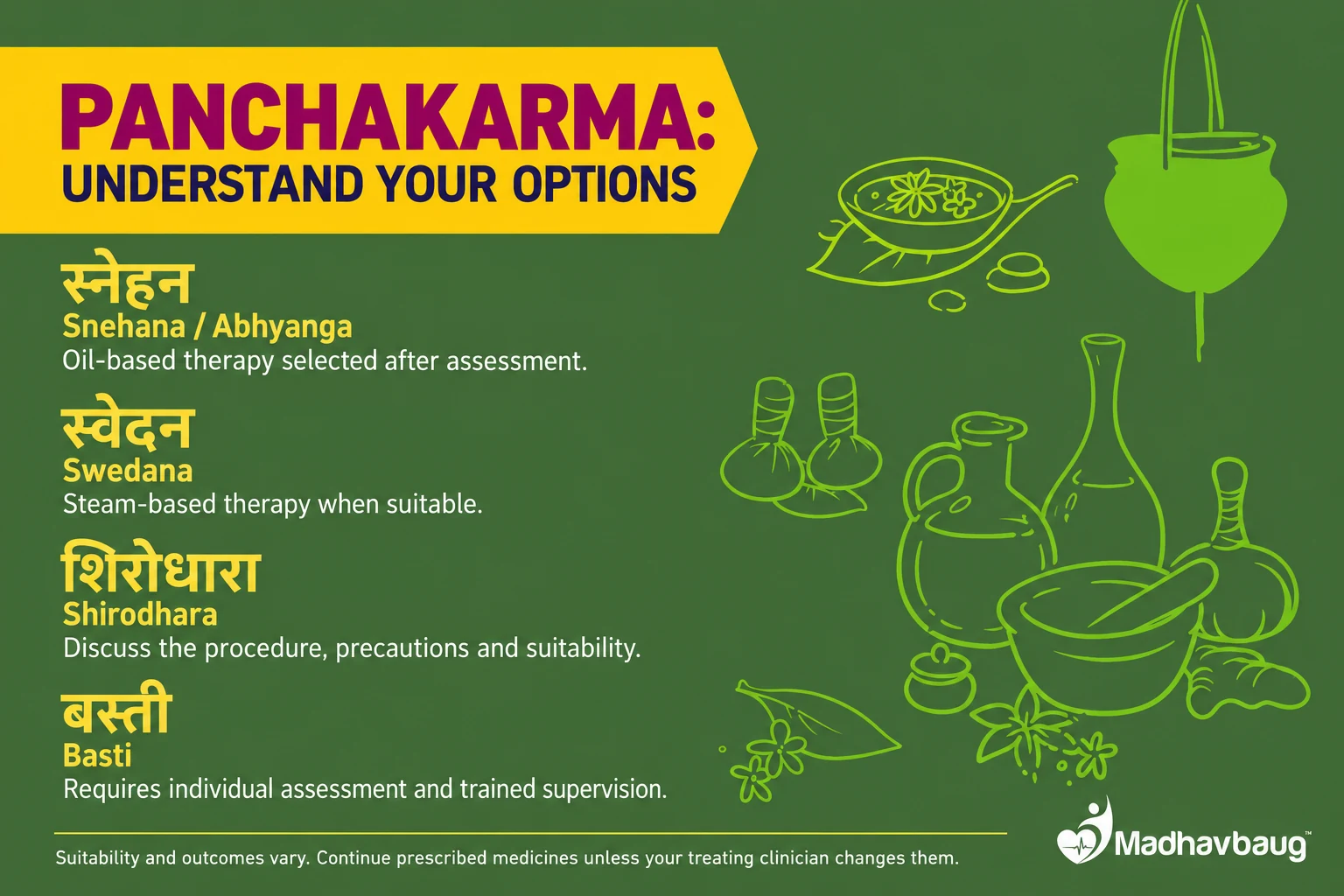
Discuss oil-based therapies, steam procedures, Shirodhara and Basti with the clinician. Each procedure needs an assessment of suitability, precautions and supervision; they are not automatically suitable for everyone.

Adapted Panchakarma guide describing therapy suitability and precautions

Continue prescribed medicines unless your treating clinician changes them.

DETAILED PATIENT GUIDES

Understand your Panchakarma options.

Explore the process, preparation, evidence and precautions. Confirm the specific procedure, local availability, supervision and fees with the clinic.

Ayurvedic detox: understand Shodhana, preparation and realistic care →Vata, Pitta and Kapha: understanding individualized Panchakarma →Hridya Dhara and Hrid Basti: understand the procedure and its place in care →Kati Basti: understanding lower-back oil therapy →Manya Basti / Greeva Basti: a patient guide to neck oil therapy →Janu Basti: understanding knee-focused Ayurvedic oil therapy →Shirodhara: understanding the therapy and your care plan →Snehana: understanding Ayurvedic oleation and individual preparation →Abhyanga: a practical guide to Ayurvedic oil massage →Swedana: understanding supervised Ayurvedic fomentation →Potali and Pinda Swedana: a guide to Ayurvedic bundle therapy →Nadi Swedana: understanding localised Ayurvedic steam therapy →Nasya: a clear patient guide to Ayurvedic nasal therapy →Virechana: an informed guide to therapeutic purgation →Basti: understanding Ayurvedic therapeutic enema →Netra Tarpana: understanding Ayurvedic eye care →Agnikarma: an informed guide to a specialist thermal procedure →