

Understand what the picture shows
A representative food photograph for a discussion about everyday meals. It is not an individual calorie target, weight-loss promise or meal prescription.

Questions for Dr. Shital
- Which health measures and goals are relevant to my situation?
- How can a proposed food plan fit my routine, medicines and other health needs?
Original clinic photograph. A photograph does not establish a diagnosis, a treatment result or completed medical review of this page.
Ask the clinic about your consultationWhat should an assessment consider?
Weight and waist measurements are considered alongside glucose control, blood pressure, medicines, mobility and personal priorities. A number on the scale does not explain the whole situation. Discuss earlier attempts and barriers without embarrassment.
What does sustainable support look like?
Work towards food patterns and activity that fit your health and routine. Some people also need prescribed weight-management medicines or metabolic surgery; these options require appropriate specialist assessment. A lifestyle programme should not rule them out automatically.
How are safety and progress monitored?
Ask your diabetes team how dietary or activity changes affect glucose monitoring, especially if you use medicines that can cause low glucose. Do not reduce insulin yourself. Review agreed health goals over time rather than expecting a fixed amount of weight loss.
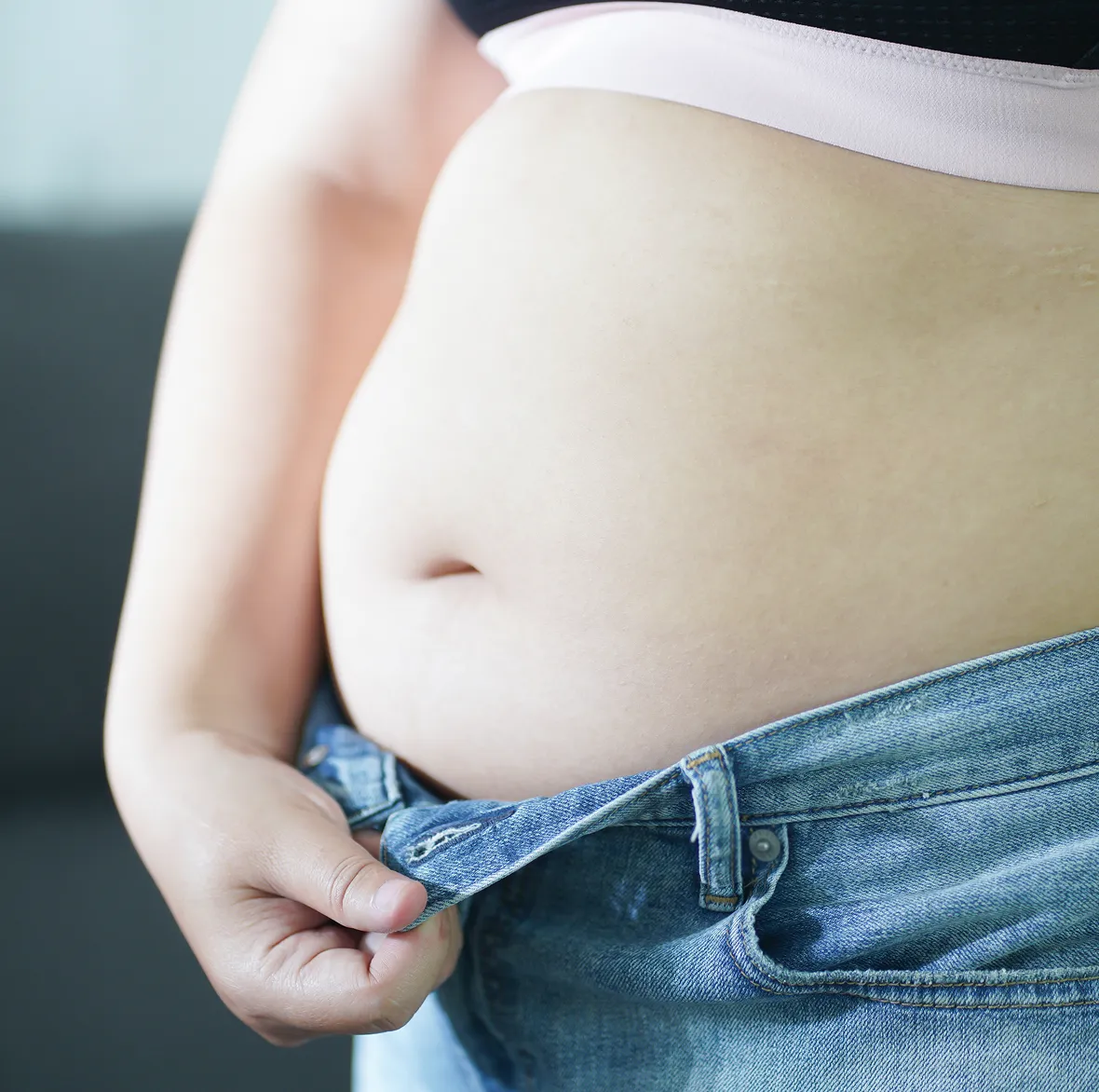
What does diabesity mean?
Diabesity is a descriptive term for the overlap between obesity and type 2 diabetes. It is not a separate diagnosis made from appearance or body weight. Excess fat around the abdomen can be associated with insulin resistance, while glucose treatment, appetite, sleep and daily routines can make weight management more complex.
A useful consultation considers both concerns together: your glucose pattern, waist and weight history, other health risks and the changes you can sustain. Goals should be agreed without blame and without promises of a fixed weight loss or a medicine-free result.
How can Ayurveda fit into the discussion?
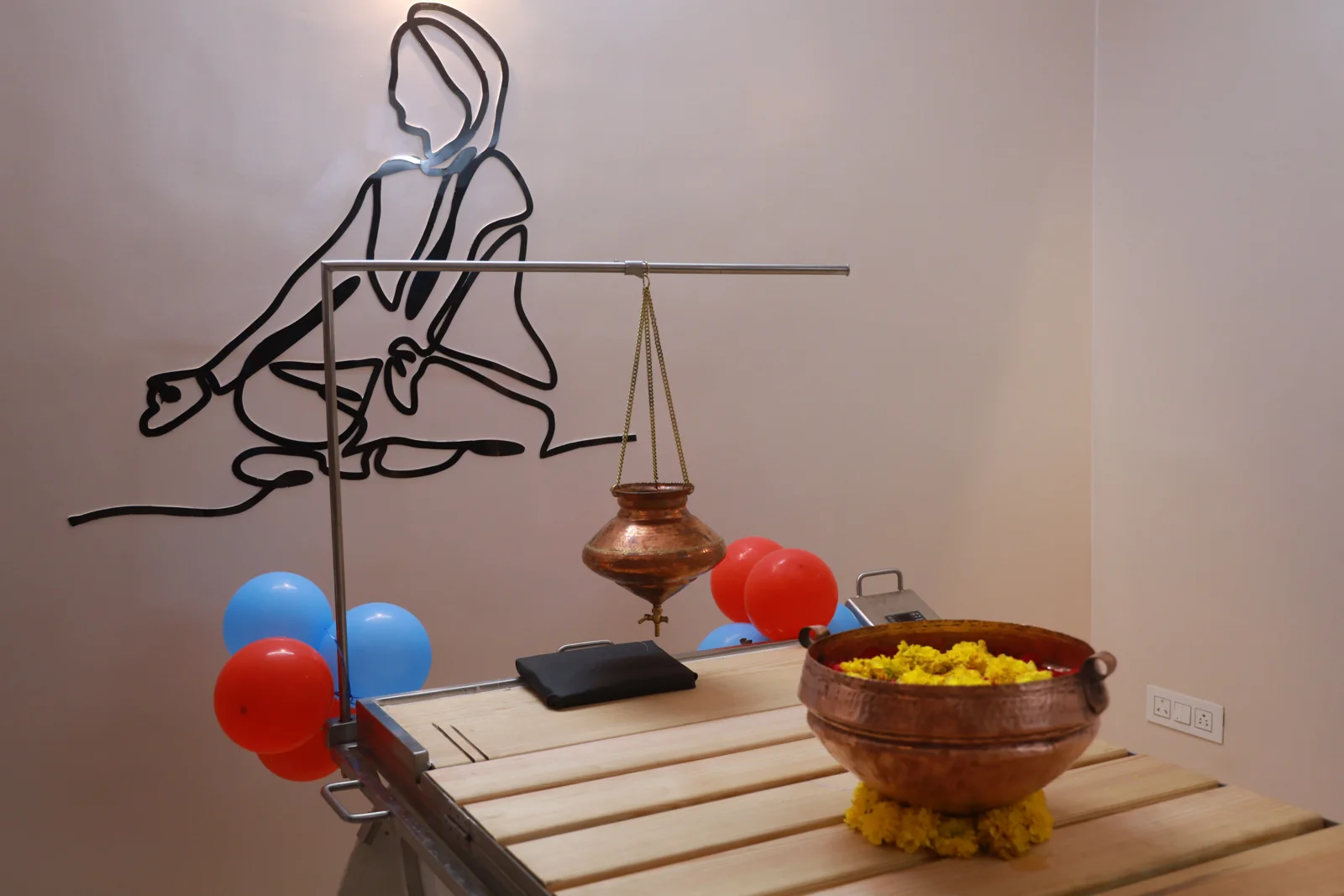
Ayurvedic literature discusses Prameha and Madhumeha in relation to urinary and metabolic symptoms, and Sthaulya in relation to obesity. These traditional categories do not map exactly onto modern diabetes diagnoses. Concepts such as Prakriti, Vikriti, Santarpana and Lekhana belong to an Ayurvedic assessment; they do not replace glucose testing or prove a particular pancreatic mechanism.
At a consultation, ask how proposed food, routine, yoga, relaxation or therapy guidance fits your current medical plan. Suitable supportive care should complement necessary investigations, diabetes medicines and specialist follow-up.
Understand Panchakarma suitability →Why can diabetes and obesity occur together?
Food patterns and energy balance
Large portions, frequent sugary drinks and energy-dense foods can make weight and glucose management harder. Food access, working hours, appetite and medicines also matter. This is not a question of willpower alone.
Low activity and long sitting time
Reduced movement can affect muscle glucose use and weight. Pain, disability, work demands and heart conditions may limit activity; a suitable plan starts with what you can safely do.
Hormonal and related health concerns
PCOS, thyroid problems, sleep difficulties and some medicines can affect weight or metabolic health. These need their own assessment rather than assuming that every weight change has the same cause.
Family history and personal risk
Inherited susceptibility, age and a history of gestational diabetes can influence diabetes risk. Family history does not make the outcome inevitable, and people without obesity can also develop type 2 diabetes.
Which symptoms deserve attention?
These concerns can have several causes. Some people have no symptoms, so waiting for symptoms is not a reliable screening strategy.
Weight or waist changes
Abdominal weight gain can prompt a metabolic-health review. Weight alone cannot diagnose diabetes, and unexplained weight loss can also be a warning sign.
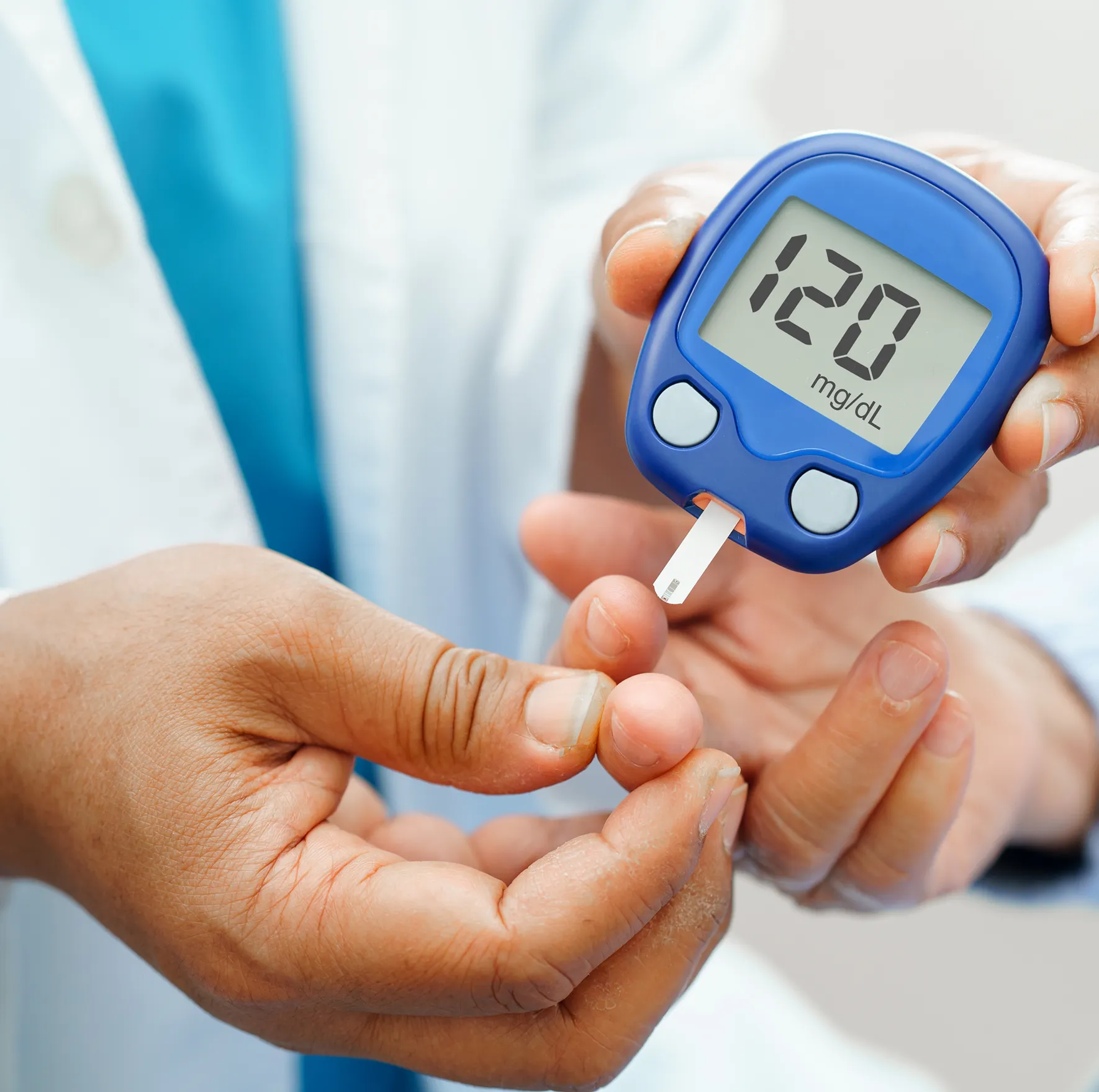
High blood glucose
Early type 2 diabetes may have no noticeable symptoms. Laboratory testing and a clinician’s interpretation are needed; thirst, frequent urination or blurred vision warrant assessment.
Tiredness and low energy
Fatigue has many possible causes, including poor sleep, anaemia and glucose problems. Do not attribute persistent tiredness to diabetes without an assessment.
Increased hunger
Appetite changes can accompany glucose fluctuations, but they are not diagnostic. Discuss meal timing, medicines and any episodes of sweating or shakiness.
Breathlessness with activity
Reduced fitness and excess weight may contribute, but heart, lung and other conditions must be considered. New or severe breathlessness needs urgent assessment.
Joint pain or limited movement
Pain can make activity more difficult. Ask about comfortable, low-impact options and whether physiotherapy or another assessment is appropriate.
Snoring or disturbed sleep
Loud snoring, witnessed pauses in breathing and daytime sleepiness can suggest sleep apnoea. A clinician may recommend a sleep assessment.
Darkened skin in folds
Dark, thickened areas around the neck or underarms can be associated with insulin resistance. Other causes exist; a skin change alone does not establish diabetes.
How are diabetes and weight-related risks assessed?
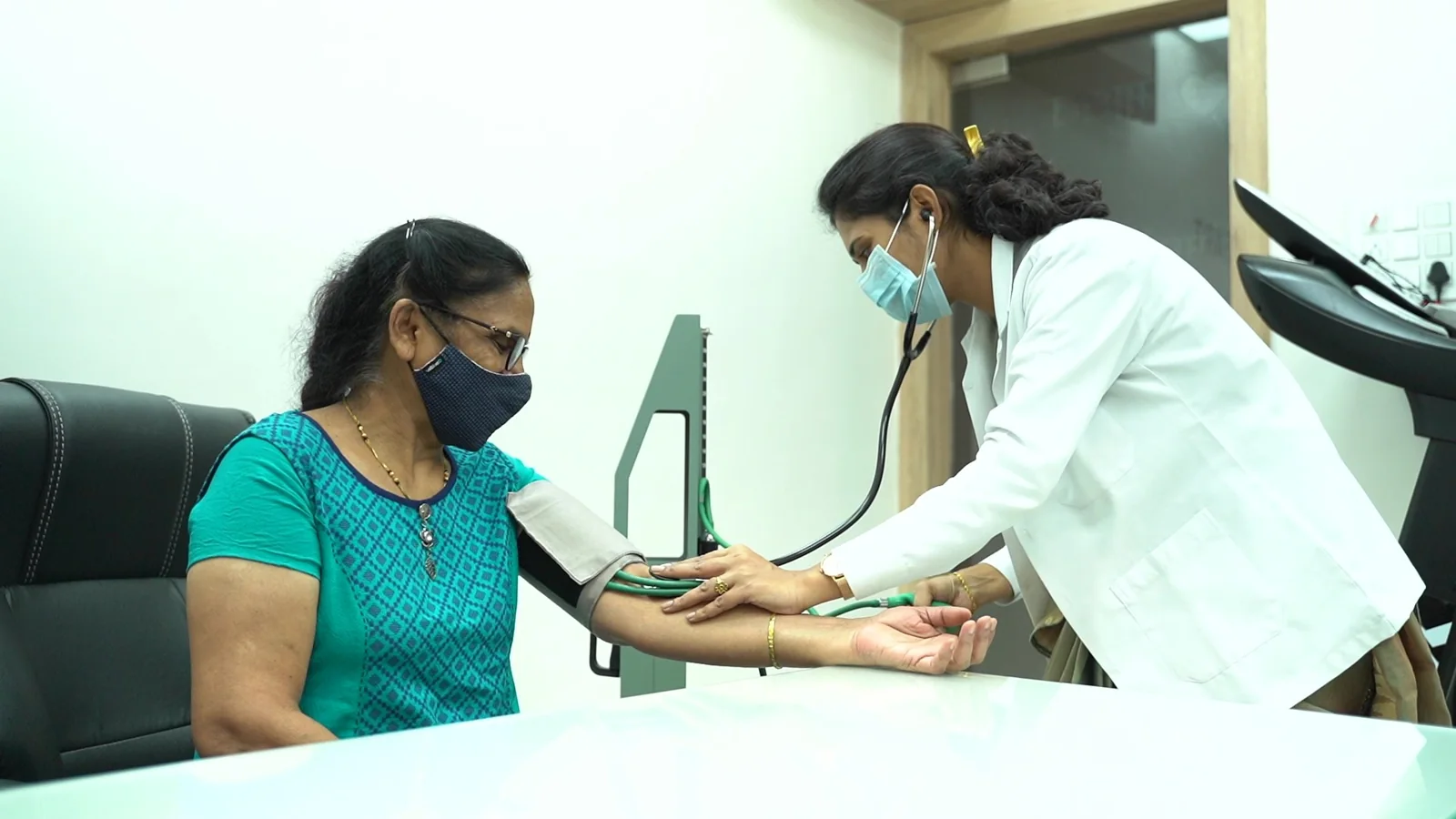
Assessment may include weight and waist trends, blood pressure, family history, current medicines, sleep, mobility and existing glucose reports. Tests depend on the clinical question; not everyone needs every test.
| Test | Below prediabetes range | Prediabetes range | Diabetes range |
|---|---|---|---|
| HbA1c | Below 5.7% | 5.7–6.4% | 6.5% or above |
| Fasting plasma glucose | 99 mg/dL or below | 100–125 mg/dL | 126 mg/dL or above |
| 2-hour oral glucose tolerance test | 139 mg/dL or below | 140–199 mg/dL | 200 mg/dL or above |
Source: NIDDK diabetes testing guidance. Diagnosis usually requires confirmation unless the clinical presentation clearly establishes diabetes. Pregnancy uses different criteria; HbA1c can be affected by some blood conditions.
- Fasting glucose: the laboratory gives fasting instructions, commonly at least eight hours.
- Post-meal glucose: helps review glucose patterns, but a usual meal is not the standardized glucose drink used for a diagnostic OGTT. Do not interchange the ranges.
- HbA1c: provides a longer-term glucose picture; a diagnostic cutoff is not automatically your personal treatment target.
- Serum insulin: may be considered for a specific question. It is not a routine stand-alone diagnosis, and reference intervals differ between laboratories.
A home meter or online score cannot confirm diabetes, treatment eligibility or the likelihood of remission.
Which related risks should be reviewed?
Heart and blood vessels
Review blood pressure, lipids, smoking and cardiac history alongside glucose.
Heart-health care →Fatty liver
Metabolic concerns can occur with fatty liver. Liver fat and liver scarring need appropriate interpretation.
Diabetes and fatty liver →Kidneys
Ask about kidney-function and urine-albumin checks, particularly before changing diets or preparations.
Kidney-care boundaries →Sleep apnoea
Weight and disturbed breathing during sleep may interact with metabolic health. A sleep specialist may be needed.
Ask about an appropriate next step →Eye, foot and nerve checks also remain important in diabetes care. An Ayurvedic programme must not delay indicated specialist treatment.
What might a coordinated plan include?
Madhavbaug’s network page describes Comprehensive Diabetes Care (CDC) as a structured 90-day programme. The name and duration describe that offering, not a guaranteed result or a commitment that every Pimpri patient receives the same package. Confirm the local plan, supervision, fees, duration and review arrangements before enrolling.
Panchakarma suitability
Discuss which procedure, if any, fits your medical history. Ask about preparation, ingredients, risks, hygiene, after-care and supervision. Claims of detoxifying the liver, clearing visceral fat or restoring insulin sensitivity are not guaranteed clinical effects.
Nutrition and the Prameha diet kit
The reference describes a branded Prameha diet kit. Confirm whether it is currently offered at Pimpri, what it contains and whether it suits your medicines, allergies, kidney function, preferences and budget. A kit is not a requirement for every patient or a substitute for an individualized meal plan.
Ayurvedic preparations
Share every prescription, herb and supplement with your treating clinicians. Ask about the product, dose, ingredients, possible interactions and monitoring. Natural products can have adverse effects; do not replace insulin or other prescribed treatment yourself.
Physical activity and exercise guidance
Choose gradual movement that suits your current fitness, glucose treatment, feet, joints and heart health. Review low-glucose precautions and activity restrictions before increasing exercise.
Cardiac diet and physiotherapy
People with established heart disease may need coordinated cardiac nutrition advice and supervised rehabilitation or physiotherapy. These are individualized services; confirm local arrangements and follow the treating specialist’s restrictions.
ApexBeat, mibPULSE and monitoring
The network reference mentions ApexBeat monitoring and the mibPULSE app. Confirm device/app availability, the parameters recorded, who reviews results, fees and response arrangements. They are not advertised here as installed Pimpri integrations or emergency-monitoring services.
What should you expect from the Pimpri clinic?
Meet Dr. Shital More-Mhaisane, BAMS, MD (Ayurveda), to discuss your medical history and practical next steps. Bring your previous reports and ask which outcomes will be followed, when to return, and who will coordinate necessary medical or specialist care.
Chain-wide clinic counts, years in operation or marketing success percentages do not establish an individual’s outcome. We do not use them as Pimpri treatment guarantees. A reversal-potential questionnaire is not a diagnostic or validated prognosis service on this website.
Meet your doctor → · Weight-management options →When should I seek urgent care?
Severe low-glucose symptoms, confusion, collapse or persistent vomiting with high glucose requires urgent medical care. Follow your personal diabetes emergency plan.
What information helps with diabesity?
Bring what you already have. These discussion points are not a prescription for tests or a statement that every investigation is performed at the clinic.
Glucose history
Bring dated glucose and HbA1c results, with a note of recent medicine changes or illness.
Medicines and low readings
Explain your current treatment and any episodes of low glucose or missed meals.
Complication follow-up
Bring existing eye, kidney, nerve, foot or cardiac reports relevant to the concern.
Daily routine
Discuss meals, work, sleep, activity and practical barriers before agreeing on a plan.
A plan that fits your diagnosis and daily life.
Discuss the role and limits of supportive care alongside your existing treatment.
Food and everyday routines
Ask for a meal plan that fits your medicines and other health needs. Clarify how to manage missed meals, illness or fasting; do not copy an intensive programme diet yourself.
Diet and nutrition information →Ayurveda and Panchakarma suitability
Discuss the proposed CDC components, any suitable Panchakarma, herbal products and monitoring with the clinician. A programme label is not a prediction of your result.
Ask which procedure is proposed, what preparation involves, what it costs and when it should be delayed or avoided.
Understand Panchakarma →Follow-up and coordination
Agree what readings to record, how to seek advice about low glucose and which complication screening or specialist reviews should continue.
Understand the care approach →Leave the consultation with clear next steps.
- What is being assessed, and what remains uncertain?
- Which part of the proposed plan is intended to support my particular concern?
- What preparation, fees, precautions and follow-up apply?
- Who should I contact if symptoms change or the plan causes discomfort?
From your first question to a clear follow-up plan.
A routine consultation about diabesity starts with your history. The clinician decides what is appropriate; this is not a fixed treatment protocol.

Meet your doctor →
Bring your health context
Prepare the reports and prescriptions you already have, together with your questions.
Discuss assessment and suitability
Explain your current treatment and any recent changes. Ask whether specialist review is needed.
Understand the proposed plan
Discuss suitable care, food and routines, preparation, limitations and fees before agreeing.
Confirm your follow-up
Clarify what to monitor, who reviews progress and when to seek medical advice.
How do I prepare for a Pimpri consultation?
Bring current prescriptions, relevant reports and your questions. Tell Dr. Shital about recent hospital treatment, allergies, herbs and supplements. Confirm suitability and the scope of supportive care before starting a programme. Tests mentioned in educational guidance are not automatically available at this clinic.
Continue prescribed treatment unless your treating clinician changes it. This clinic does not replace emergency, cardiology, kidney or eye-specialist services.
Meet Dr. Shital More-MhaisaneFrequently asked questions
How can Madhavbaug Pimpri support my care?
Discuss food habits, weight, glucose, sleep and medicines as connected concerns. The doctor can help set practical goals, consider suitable Ayurvedic care and review progress without blame. Monitor glucose carefully when food or activity changes.
What is diabesity?
The term describes obesity occurring alongside type 2 diabetes. Assessment considers glucose, weight, waist and related risks; appearance alone cannot establish the diagnosis.
How are type 1 and type 2 diabetes different here?
Type 1 diabetes involves insulin deficiency and requires insulin. Body weight cannot reliably identify diabetes type. This guide concerns the overlap of obesity with type 2 diabetes; ask your clinician if the diagnosis is uncertain.
Why can weight management be difficult with diabetes?
Appetite, insulin resistance, medicines, sleep, pain and daily circumstances can all affect progress. Tell the team about practical barriers and low-glucose episodes so the plan can be adapted without blame.
Is an Ayurvedic programme safe for everyone?
No. Suitability depends on health history, current medicines and the proposed procedure or preparation. Ask about risks, interactions, alternatives, supervision and monitoring. Confirm which programme elements are available locally.
Is weight loss guaranteed to reverse diabetes?
No. Responses vary. Some people with type 2 diabetes achieve remission, but ongoing monitoring remains necessary. No programme can promise this outcome.
Do I need a crash diet?
No. Extreme restriction may be unsafe or difficult to maintain. Discuss a realistic plan and any necessary medicine review with your treating clinician.
Sources and further reading
- NIDDK: diabetes tests and diagnosis
- NIDDK: type 2 diabetes risk factors
- NIDDK: managing diabetes
- NIDDK: treatment for overweight and obesity
- NIDDK: weight-management medicines
These sources explain general medical care; they do not establish outcomes for Ayurvedic treatment or for this clinic.