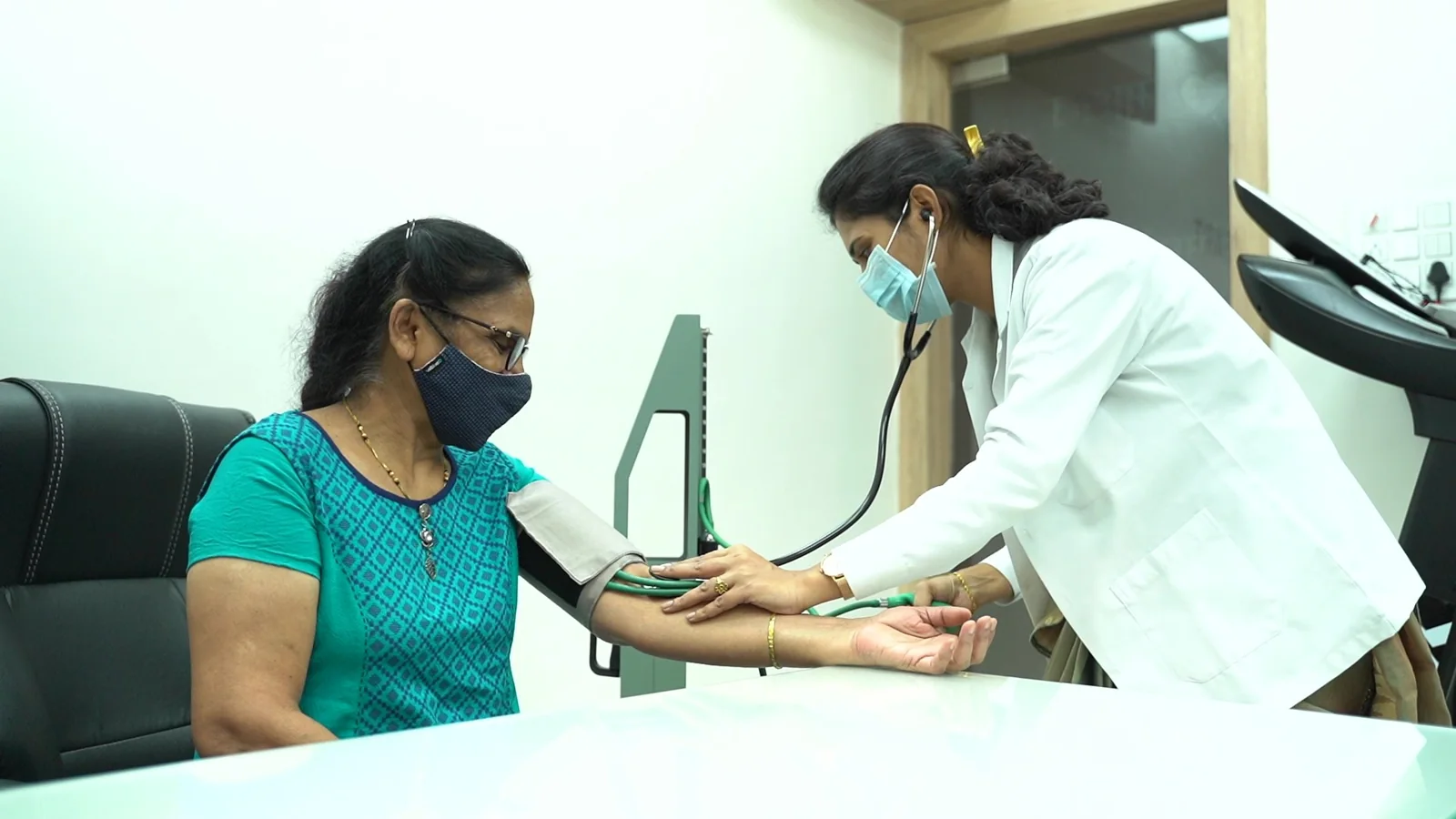
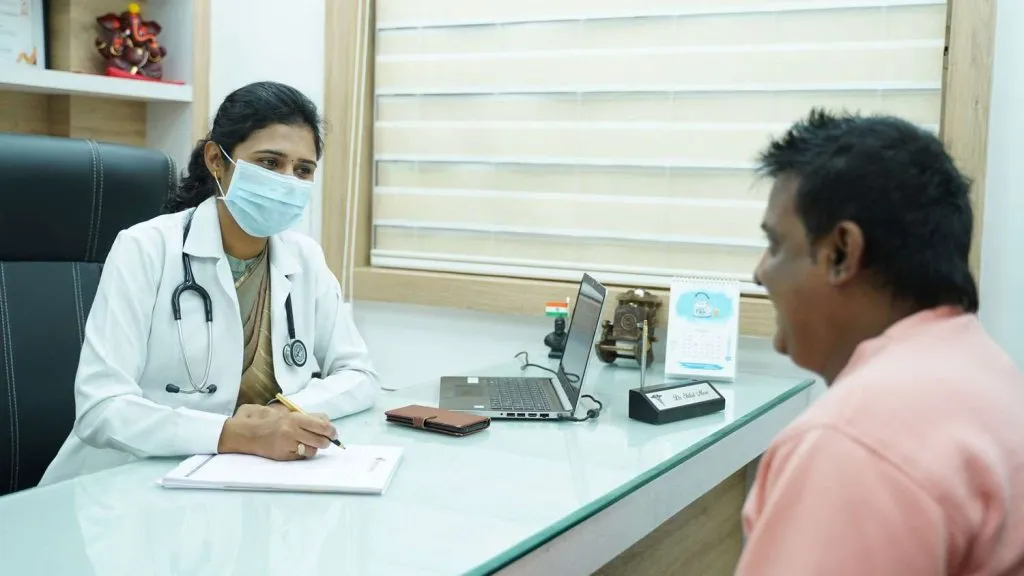
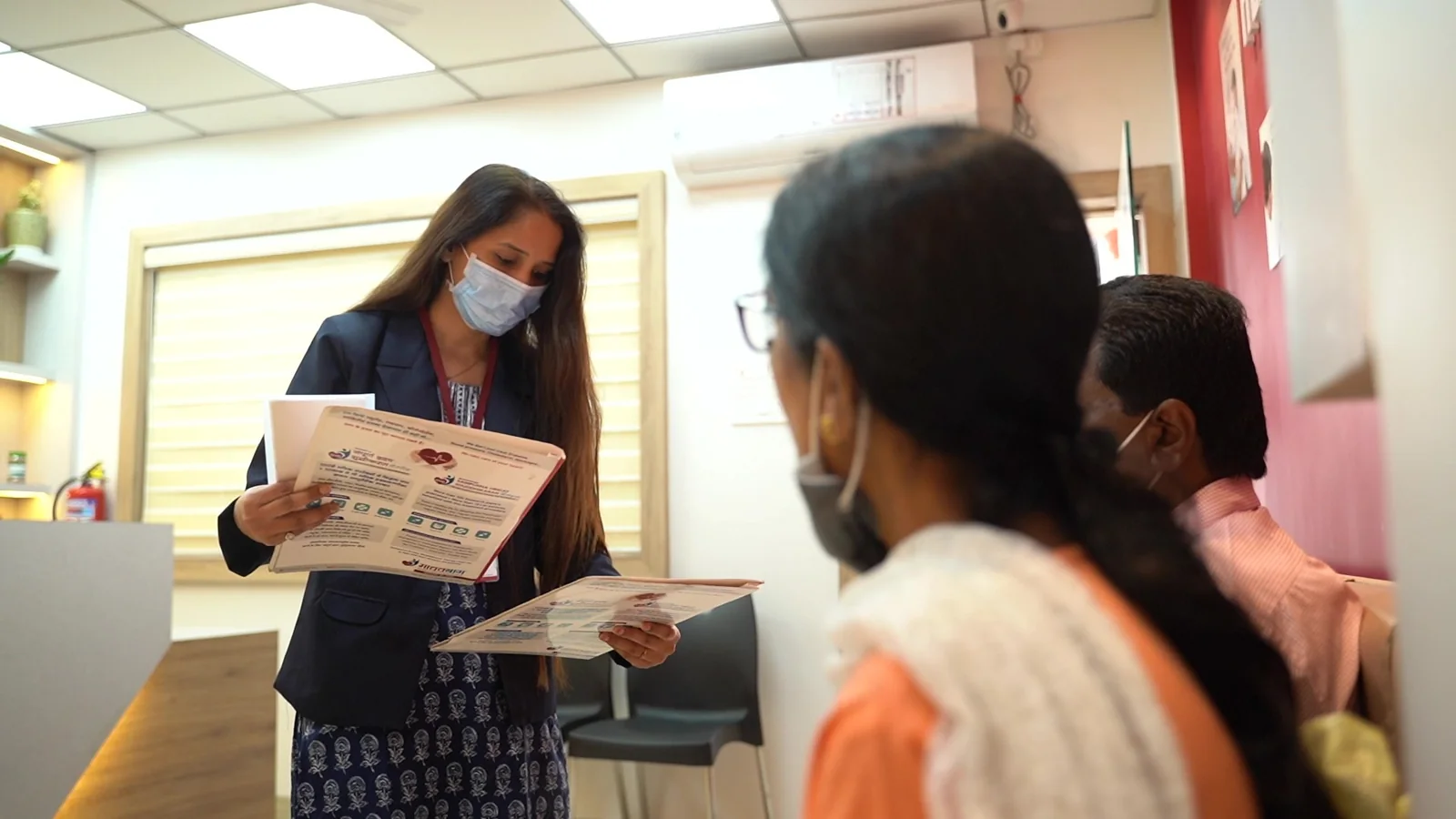
Madhavbaug Pimpri Morwadi offers individualized lifestyle-focused consultations with Dr. Shital More-Mhaisane, BAMS, MD (Ayurveda). Discuss food, activity, sleep, stress and follow-up alongside existing care for diabetes, blood pressure, weight or cholesterol concerns. Supportive Ayurvedic options are considered after assessment; prescribed medicines and necessary specialist treatment continue.
Individual assessmentYour history and current treatment
Everyday supportFood, movement and routine
Purposeful follow-upReadings and clinical review
Overview
Lifestyle & metabolic health: assessment and ongoing care.
Lifestyle-focused healthcare connects daily routines with your health needs. It is not a judgement about willpower. Work, caring responsibilities, food access, sleep and physical limitations can all affect what is realistic. A consultation should help you choose priorities that fit your life alongside appropriate medical treatment.
Your visit at Madhavbaug Pimpri Morwadi starts with your history, current treatment and health priorities. Dr. Shital More-Mhaisane considers suitable Ayurvedic care, everyday lifestyle guidance and follow-up individually. Necessary specialist care and prescribed medicines remain part of a coordinated plan.
Diabetes, high blood pressure, cholesterol and weight concerns often share parts of a care plan, but they still need individual assessment. Family history, tobacco exposure and existing disease also matter. Persistent symptoms should be investigated rather than automatically blamed on stress or poor habits.
Adults who want to discuss daily routines alongside an existing diagnosis or preventive health concern. Bring your current prescriptions, available reports and personal priorities.
Ayurvedic and lifestyle support, built around your assessment.
At Madhavbaug Pimpri, a lifestyle discussion can bring together nutrition, suitable activity, sleep, stress, preventive assessment and review of current care. Ayurvedic options may be considered after assessment. Ask which support is available locally and how follow-up works. You do not need to purchase a particular kit or accept a procedure solely because it appears in a network programme description.
01
What does lifestyle-focused care include?
Start with your usual meals, working hours, movement, sleep and the changes you find difficult. The conversation should lead to practical priorities rather than a universal programme. Discuss what support is appropriate for your diagnosis and current treatment.
02
How are connected concerns considered?
Diabetes, blood pressure, weight and cholesterol concerns may overlap. Bring relevant reports and medicines so your clinician can consider them together. Symptoms or results requiring specialist input should be addressed through the appropriate medical team.
03
What is the role of Ayurveda?
Suitable Ayurvedic care may be discussed alongside nutrition and daily habits after individual assessment. Share herbs and supplements with every treating clinician. Supportive care does not guarantee remission or replace prescribed medicines, emergency treatment or specialist procedures.
04
How will follow-up work?
Agree on realistic priorities, what to monitor and when to review. Your plan should reflect your health, preferences and ability to sustain changes. Confirm suitability, fees and follow-up arrangements directly with the clinic.
Food that fits your health
Start with ordinary meals and practical choices. Discuss preferences, cultural foods, budget, work shifts and household support. A realistic plan should explain what to do in common situations such as travel, festivals or a missed meal, without turning food into a list of moral rules.
Discuss movement you can sustain and any symptoms or limitations that make it difficult. Sleep and stress deserve attention too. Ask whether persistent poor sleep or other symptoms need separate assessment. Begin with agreed changes, review what works and adjust the plan when circumstances change.
Use these points to discuss lifestyle & metabolic health with the clinic. Your clinician confirms the individual plan, preparation and follow-up.
01
What does lifestyle-focused care include?
Start with your usual meals, working hours, movement, sleep and the changes you find difficult. The conversation should lead to practical priorities rather than a universal programme. Discuss what support is appropriate for your diagnosis and current treatment.
02
How are connected concerns considered?
Diabetes, blood pressure, weight and cholesterol concerns may overlap. Bring relevant reports and medicines so your clinician can consider them together. Symptoms or results requiring specialist input should be addressed through the appropriate medical team.
03
What is the role of Ayurveda?
Suitable Ayurvedic care may be discussed alongside nutrition and daily habits after individual assessment. Share herbs and supplements with every treating clinician. Supportive care does not guarantee remission or replace prescribed medicines, emergency treatment or specialist procedures.
04
How will follow-up work?
Agree on realistic priorities, what to monitor and when to review. Your plan should reflect your health, preferences and ability to sustain changes. Confirm suitability, fees and follow-up arrangements directly with the clinic.
Your plan and review schedule are individual. These steps describe a care discussion, without promising a treatment timeline or result.
Step 01
Choose a concern
Start with what matters most to you.
Step 02
Understand your context
Discuss medical history and everyday constraints.
Step 03
Agree on a starting point
Choose a small number of practical priorities.
Step 04
Use appropriate support
Consider guidance or therapies only where suitable.
Step 05
Review your experience
Explain what was helpful and what did not fit your routine.
Step 06
Adapt over time
Revise goals and continue relevant medical follow-up.
What should you bring?
Current prescriptions and relevant reports
A short description of your usual food, activity and sleep
Your goals, questions and any recent hospital treatment
Ask about suitability, fees, preparation, expected follow-up and how progress will be assessed. Booking availability is confirmed through the clinic’s existing booking service.
Investigations are chosen to answer a clinical question. This list is not a prescription for tests or a claim that every investigation is performed on-site.
01
Your priorities
Choose the concerns you want help with, including changes that would make everyday life easier.
02
Your routine
Describe meals, sleep, work, caring duties, movement and the barriers you face.
03
Medical context
Bring diagnoses, medicines and relevant reports so advice fits existing care.
04
A useful review plan
Agree on a manageable starting point and what information will help at follow-up.
Research on a combined lifestyle programme does not show that every patient needs the same components. A useful evidence discussion asks what was studied, in whom, for how long and alongside which medical treatment. No local success percentage, medicine-withdrawal rate or guaranteed timeline is asserted here.
Programme terminology is researched from Madhavbaug network material. Network descriptions and published study findings are not Pimpri-specific outcomes or confirmation of local programme availability.
Further reading: Read the educational source. General guidance does not establish clinic-specific treatment outcomes.
Chest pain, stroke symptoms, collapse or severe breathlessness is not a lifestyle-coaching issue. Seek urgent hospital care. Similarly, do not defer necessary specialist follow-up, stop medicines or undertake prolonged fasting because you begin a wellness programme.
Do not stop, reduce or replace prescribed medicines without the clinician responsible for them. Tell your care team about all Ayurvedic products and supplements. Supportive care does not replace urgent hospital care or necessary specialist treatment.
Questions to ask Dr. Shital
Which one or two changes should I start with?
How does the advice fit my medical restrictions and prescription?
What can I do when work, travel or family routines change?
How will we review progress without relying on promises or a fixed deadline?
New or severe chest pain, severe breathlessness, fainting, or stroke symptoms need urgent hospital care. Do not wait for a clinic appointment or WhatsApp reply.
FAQs
Frequently asked questions
How can I start a manageable lifestyle-care plan?+
Start with your main health concern, current treatment and daily routine. The consultation helps identify practical priorities around food, suitable activity, sleep and stress. Agree on a small number of achievable changes and a review plan that fits your circumstances.
Where do I start if several health concerns overlap?+
Bring your current diagnoses, prescriptions and priorities. Ask which changes matter first and how the plan fits your existing medical care.
Do I need to change every habit at once?+
Discuss a manageable starting point and realistic review goals. The plan should reflect your health, circumstances and ability to sustain changes.
How will we know whether the plan needs adjusting?+
Agree what to record, when to review it and who to contact about symptoms or difficulties. Home logs or app use do not imply continuous emergency monitoring.
Prepared by the clinic information team · Educational content; doctor review is not claimed.
Educational information does not replace an individual medical consultation. Outcomes and suitability vary. Continue prescribed medicines unless your treating doctor changes them.
This design draft requires clinical approval before the main-domain launch; a completed medical review is not claimed.