
PUT THE INFORMATION IN CONTEXT
Understand what the picture shows
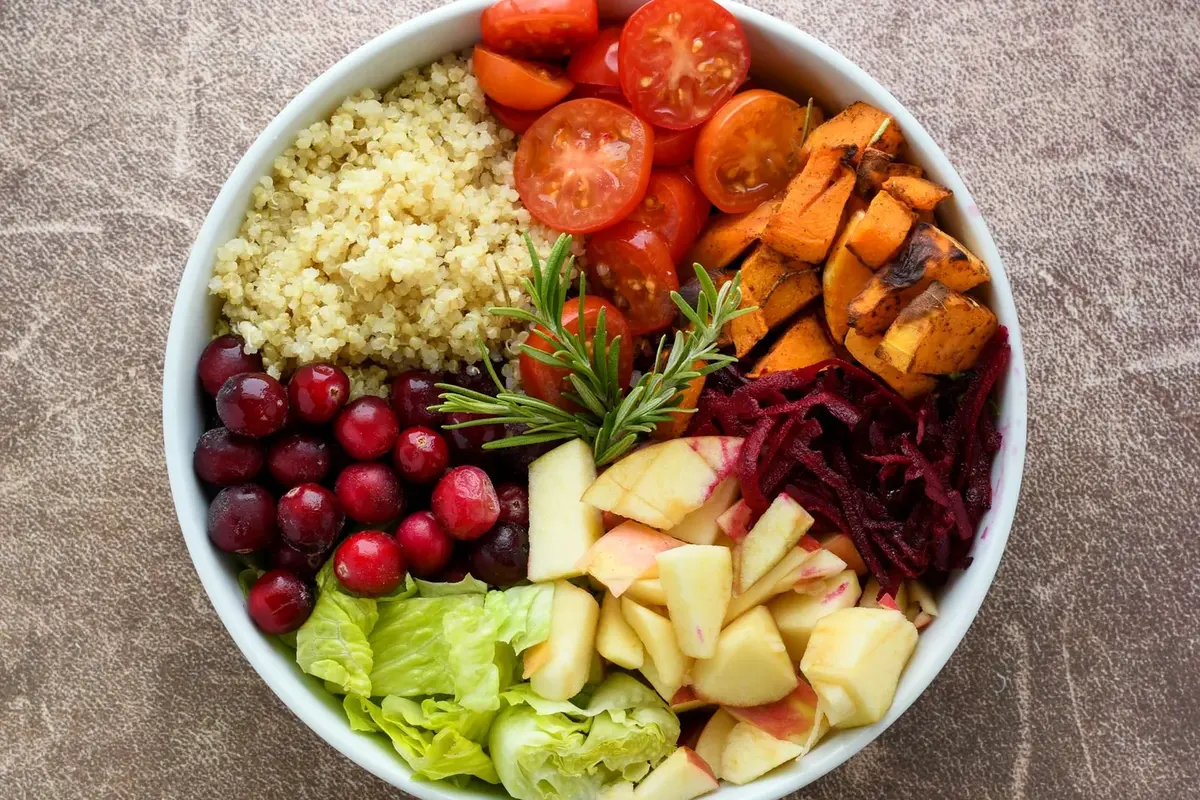
A representative food photograph for a discussion about everyday meals. It is not an individual calorie target, weight-loss promise or meal prescription.
Discuss your health, food habits and activity to build an individualized weight-management plan.
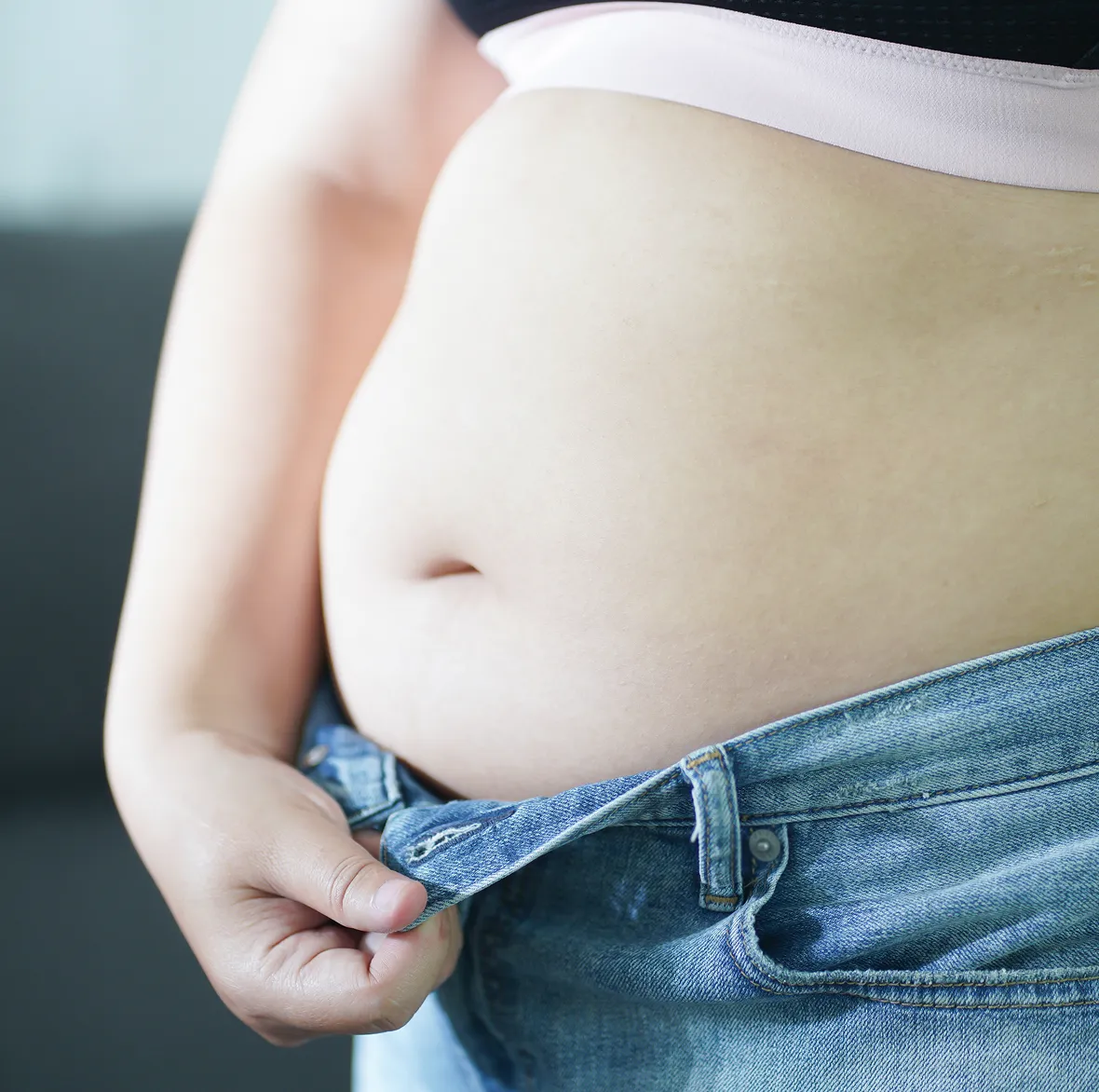
Weight management is about health and function as well as body size. Weight and waist measurements provide context, but they do not explain a person’s full medical or social circumstances. A useful consultation begins with your history and priorities, including earlier attempts, appetite, sleep, mobility, medicines and how you feel.
Looking for obesity treatment in Pimpri-Chinchwad? Madhavbaug Pimpri Pune offers individualized weight-management consultations in Morwadi, Pimpri. Dr. Shital More-Mhaisane (BAMS, MD Ayurveda) can discuss your health history, goals, daily routine, medicines and available reports. Care may include nutrition, lifestyle guidance, follow-up and Ayurveda-based options where appropriate. Results and suitability vary.
Your visit at Madhavbaug Pimpri Morwadi starts with your history, current treatment and health priorities. Dr. Shital More-Mhaisane considers suitable Ayurvedic care, everyday lifestyle guidance and follow-up individually. Necessary specialist care and prescribed medicines remain part of a coordinated plan.
Plan a consultationWeight management is a long-term health discussion. A useful assessment considers wellbeing, mobility and related conditions alongside weight.
Food, activity, sleep, medicines and inherited factors can affect weight. Plans should fit the person’s circumstances.
Weight-related concerns may affect movement or everyday comfort. Sudden unexplained weight change needs clinical assessment rather than a crash diet.
Weight history and waist measurements can be considered with blood pressure, glucose and other relevant results. Additional treatment options depend on individual assessment.
Understand tests and monitoring →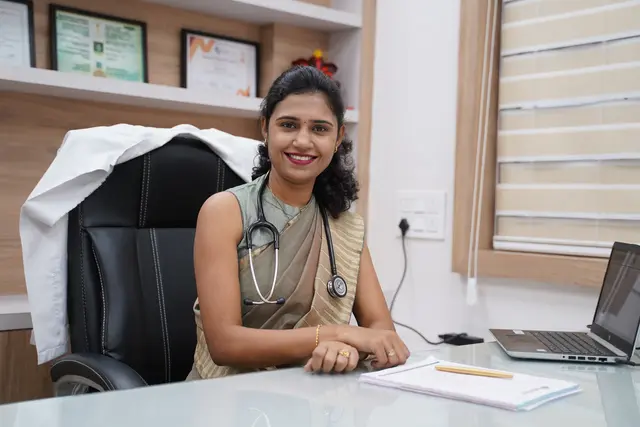
New or severe chest pain, severe breathlessness, fainting, or stroke symptoms need urgent hospital care. Do not wait for a clinic appointment or WhatsApp reply.
Continue the follow-up and prescribed treatment agreed with your treating clinician. A routine enquiry or a photograph cannot assess the seriousness of a new symptom.
A representative food photograph for a discussion about everyday meals. It is not an individual calorie target, weight-loss promise or meal prescription.
Original clinic photograph. A photograph does not establish a diagnosis, a treatment result or completed medical review of this page.
Ask the clinic about your consultationGeneral educational information · Sources checked 22 October 2026 · Named clinician review pending. Tests described here are selected according to need; this does not confirm on-site availability.
Diabetes, blood pressure, cholesterol, fatty-liver concerns, sleep problems and joint discomfort may need consideration alongside weight. Thyroid or PCOS concerns need their own clinical assessment; weight change alone does not establish a hormonal diagnosis. Children require age-appropriate care, not an adult weight-loss protocol.
Waist size can contribute to metabolic risk assessment, alongside blood pressure, glucose and blood fats. Discuss overall health rather than expecting a treatment to remove fat from one specific area.
Read the full belly fat and waist health guide →
Read the medical reference ↗Several related risks can occur together: a larger waist, raised blood pressure or glucose, and changes in blood fats. A coordinated review helps your clinician consider the whole picture rather than treating a single measurement in isolation.
Read the full metabolic syndrome guide →
Read the medical reference ↗Weight care should account for established heart disease and activity restrictions. Bring your cardiac reports and ask what exercise is appropriate. A weight-management goal must not interrupt cardiac medicines or specialist follow-up.
Read the full obesity and heart disease guide →
Read the medical reference ↗Children need an age-appropriate growth assessment and family-centred support. Do not apply an adult weight-loss diet or programme to a child. Paediatric weight-management services at this clinic are not confirmed; contact a paediatric clinician for suitable care.
Read the full childhood obesity: start with paediatric assessment guide →
Read the medical reference ↗Bring your weight history, current medicines and any activity limitations. Discuss routines that fit work, family responsibilities and health conditions. Age alone does not determine the right target, diet or treatment.
Read the full weight management after 40 guide →
Read the medical reference ↗If you already have thyroid or PCOS reports, bring them to your assessment. Ask how that diagnosis affects your plan rather than assuming every weight change is hormonal. Continue prescribed treatment and coordinate care with the relevant clinician.
Read the full hormonal concerns and weight guide →
Read the medical reference ↗General education, updated 19 October 2026. These sources do not establish local programme availability or Ayurvedic treatment outcomes. Individual clinical review is required.

This consultation is for adults who want to discuss weight, waist measurements or related health concerns with a clinician. People with diabetes, blood pressure, cholesterol, thyroid or PCOD / PCOS concerns should share their diagnoses and current treatment. Weight concerns in children need age-appropriate paediatric assessment; confirm the clinic’s scope before booking for a child.
Review the concerns covered above →Suitability is decided by the doctor. Confirm programme contents, clinical supervision, fees and any specialist input before starting care.
Dr. Shital More-Mhaisane · BAMS, MD Ayurveda
Morwadi, Pimpri-Chinchwad, Pune
Bring your readings, prescriptions and questions. Discuss a suitable next step.
Madhavbaug’s network material describes a combined weight-management approach and names Swasthyam and Prameha diet kits. These names do not establish suitability or availability for you. Ask what the local consultation includes, which nutrition plan is proposed, how progress will be monitored and whether other weight-management options should be considered. Diet, medicines and procedures each need a reason; no therapy is presented here as directly flushing fat from arteries or restoring hormones.
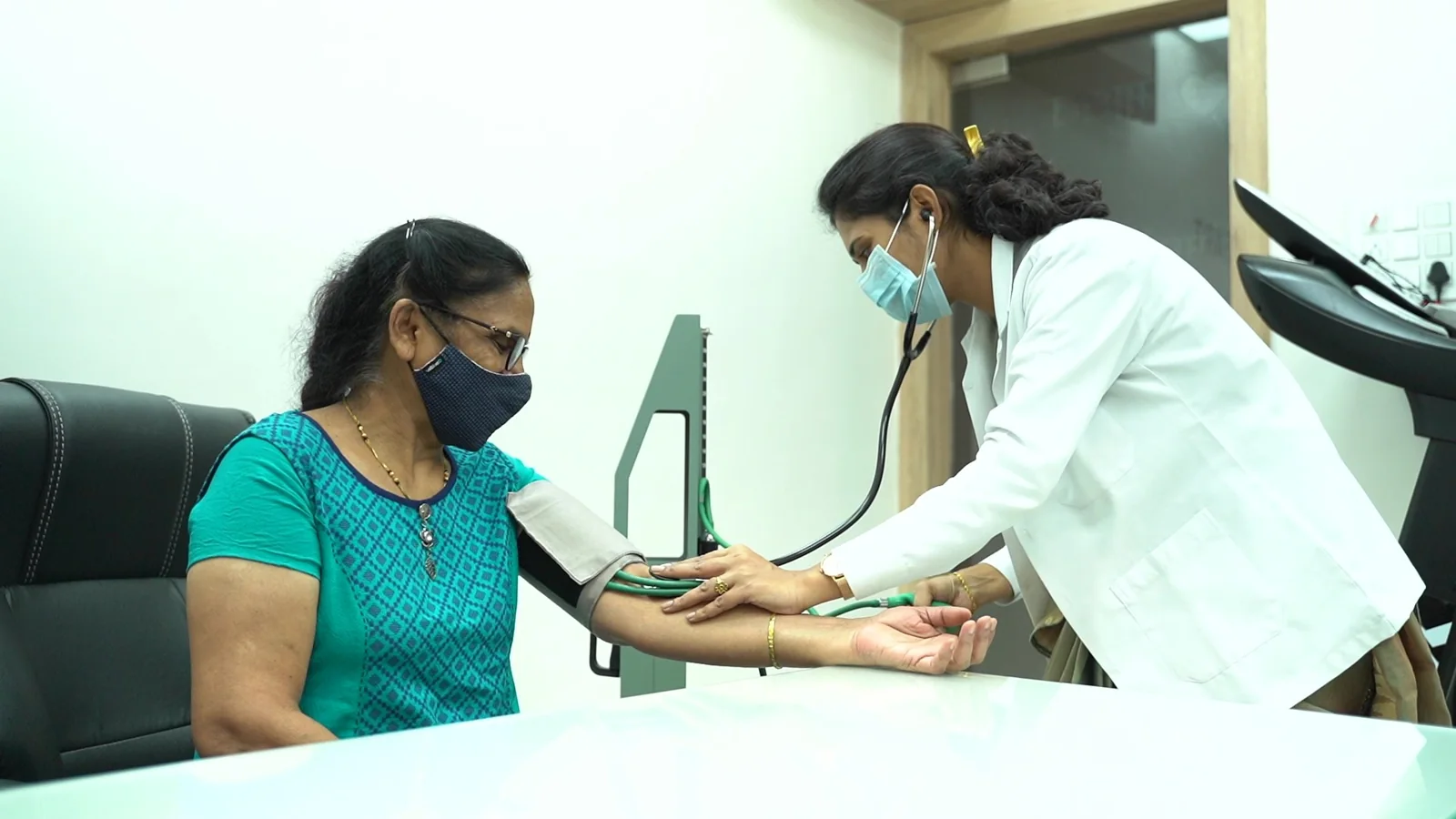
A consultation may help adults who want to understand weight changes, have related health conditions, or would like support after previous attempts to change eating or activity habits. It can also be useful to discuss realistic goals, daily routines and whether additional assessment or specialist input is needed. The appointment does not guarantee eligibility for a particular therapy or a particular amount of weight loss.
Your clinician may discuss weight history, height and BMI, waist measurement, blood pressure, activity, sleep, food patterns, stress, medicines and existing conditions. BMI and waist measurements are useful context, not a complete diagnosis. Fasting blood sugar, a lipid profile or TSH may be reviewed when clinically relevant; tests may be arranged separately. SpO₂ or other measurements are used only when appropriate and available.
Planning may include practical nutrition and activity guidance, sleep and routine goals, follow-up and Ayurveda-based care. Panchakarma procedures such as Snehana, Swedana or Basti may be discussed only when the clinician considers them appropriate after assessment. The exact procedure, materials, preparation and after-care must be explained before treatment. A procedure is not a stand-alone or guaranteed weight-loss method.
At follow-up, you and your clinician may review your routine, symptoms, weight or waist trends and relevant reports. The plan can be adapted to your health and response. Ask what follow-up is available after an initial care period. No app, fixed-duration diet kit or named maintenance programme is promised on this page unless the clinic confirms it is currently offered locally.
A 2019 retrospective observational study at Madhavbaug clinics included 31 patients and reported average body weight changing from 89.87 kg to 82.01 kg over 90 days during a combined programme of supervised low-carbohydrate diet and Ayurvedic obesity-management procedures. This small study does not establish cause and effect, predict an individual result or report outcomes from the Pimpri Morwadi clinic. See the study details below.
A plan should be practical enough to use beyond a short programme. Discuss portion guidance, familiar meals, work shifts, cravings, eating out and affordability. Ask whether a proposed kit is necessary, what it contains and how ordinary foods can meet the same goals. No fixed calorie intake is recommended on this website.
Nutrition & everyday care →Movement should fit your abilities and medical needs. If knee discomfort or breathlessness limits activity, tell the clinician rather than pushing through it. Weight-management medicines or surgery may be appropriate for some people after specialist assessment; supportive Ayurveda should not rule out evidence-based options.
Use these points to discuss obesity & weight management with the clinic. Your clinician confirms the individual plan, preparation and follow-up.
Discuss weight history, waist measurements, medicines and the practical changes you want to make.
Ask for familiar food options, portion guidance and adaptations for shifts, travel or festivals.
Bring existing thyroid, diabetes, lipid or PCOS reports where relevant.
Agree suitable measures of progress and a follow-up plan without a guaranteed weight-loss target.
Your plan and review schedule are individual. These steps describe a care discussion, without promising a treatment timeline or result.
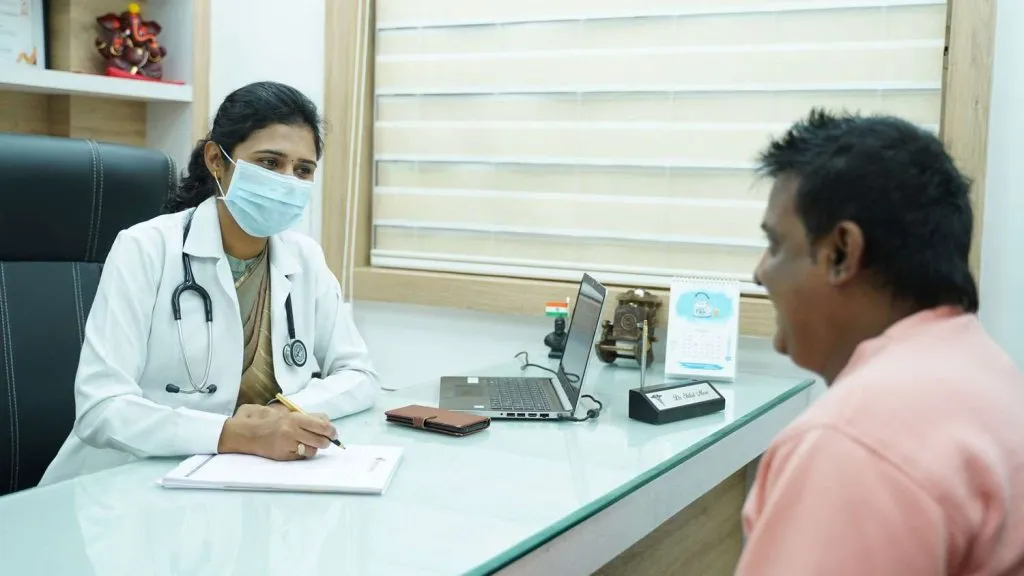
Discuss weight history, earlier attempts and the support you want.
Consider relevant measurements, conditions and current treatment.
Choose nutrition and routine changes suited to your circumstances.

Understand what is proposed, alternatives and reasons to avoid a procedure.
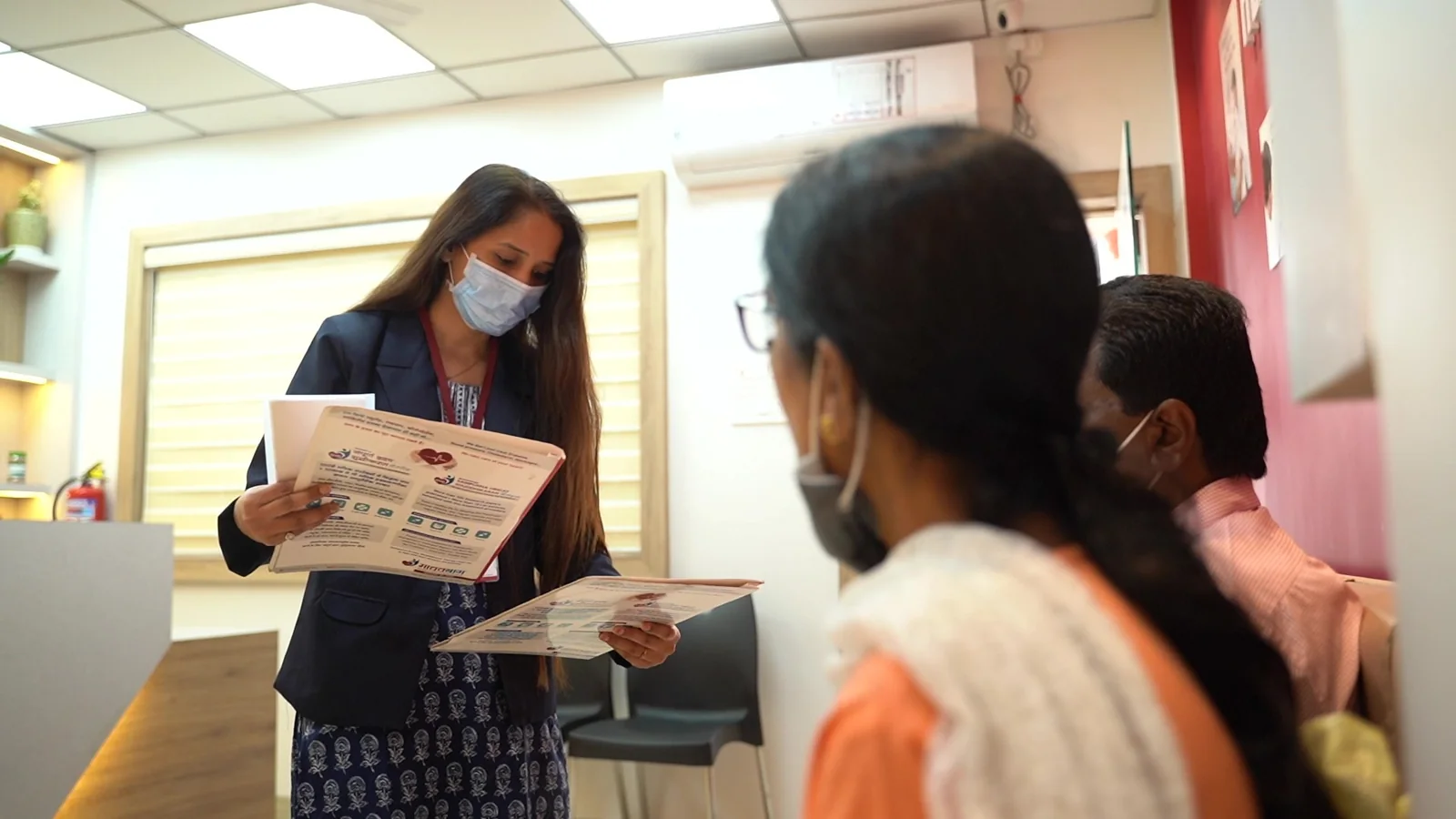
Discuss habits, wellbeing and clinician-selected health measures.
Agree on continuing support and how to handle setbacks without blame.
Ask about suitability, fees, preparation, expected follow-up and how progress will be assessed. Booking availability is confirmed through the clinic’s existing booking service.
View appointment availabilityInvestigations are chosen to answer a clinical question. This list is not a prescription for tests or a claim that every investigation is performed on-site.
Explain changes over time, what you have tried and the health or daily-life improvements you would value.
Height, weight, BMI and waist may help the discussion. None replaces a full history or individual assessment.
Bring relevant glucose, lipid, thyroid or liver reports already available. New tests should have a clinical purpose.
Ask about realistic nutrition support, suitable activity, medicine-related factors and when specialist obesity care is appropriate.
Your history, current treatment and health priorities guide the consultation.
Explore an individual conversationMeet Dr. Shital More-Mhaisane, BAMS, MD (Ayurveda), and understand her approach.
Explore a named clinicianDiscuss familiar foods, routines and activity that fit your medical needs.
Explore practical everyday supportAgree on relevant readings and follow-up rather than assuming every test is required.
Explore monitoring with a purposeAsk about suitability, precautions and when specialist input should continue.
Explore know the scope of careCheck the location, contact details and appointment arrangements before travelling.
Explore your clinic in morwadiDiscuss your health history, reports and daily routine with Dr. Shital More-Mhaisane. An individual assessment guides suitable options and follow-up.
Patient experiences offer perspective; they do not predict another person’s outcome.
Explore patient experiences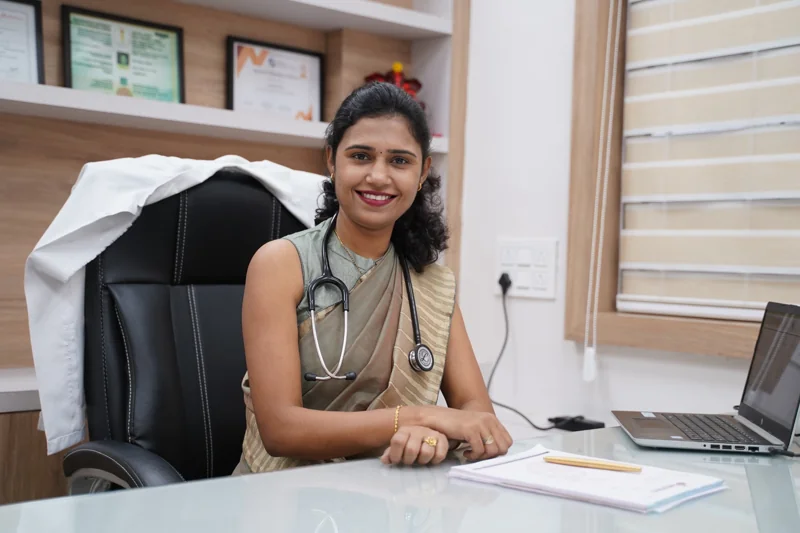
The corporate treatment page describes a small retrospective study combining a diet and Ayurvedic procedures. Combined-treatment observational findings cannot establish the independent effect of each therapy or predict a particular weight loss for you. The original publication and its methods should be reviewed before using numerical results in patient decisions. The study’s participants must not be presented as Pimpri patients.
Programme terminology is researched from Madhavbaug network material. Network descriptions and published study findings are not Pimpri-specific outcomes or confirmation of local programme availability.
Further reading: Read the educational source. General guidance does not establish clinic-specific treatment outcomes.
Research & context →Avoid crash diets, unsupervised fasting and promises of rapid loss. Tell your clinician about pregnancy, eating-disorder concerns, frailty, kidney disease, heart disease or medicines that can cause low glucose. New severe symptoms need medical assessment rather than being explained as detox or an expected treatment reaction.
Do not stop, reduce or replace prescribed medicines without the clinician responsible for them. Tell your care team about all Ayurvedic products and supplements. Supportive care does not replace urgent hospital care or necessary specialist treatment.
New or severe chest pain, severe breathlessness, fainting, or stroke symptoms need urgent hospital care. Do not wait for a clinic appointment or WhatsApp reply.
The consultation looks beyond a scale reading to your food habits, activity, sleep, medicines and metabolic health. Discuss a practical nutrition plan, suitable Ayurvedic options and review goals. Weight, waist, functioning and relevant reports can help assess progress; individual responses vary.
A consultation reviews earlier diets, daily routine, medicines and related conditions without blame. The doctor can help identify barriers and adapt nutrition and activity goals, with Ayurvedic options considered when appropriate. Follow-up gives you a chance to discuss difficulties and adjust the plan; a fixed amount of weight loss is not promised.
The appointment is a consultation to discuss non-surgical care options. Whether a non-surgical plan is appropriate depends on your health and clinical assessment. It should not delay medical or surgical advice when recommended. The clinic cannot promise that a patient can avoid surgery or another treatment.
These conditions do not have one suitable plan for everyone. Tell the clinician about diagnoses, symptoms, reports and medicines so they can consider safety and whether coordination with your treating doctor is needed. Do not change or stop prescribed medicines based on website information or a weight-management programme.
Weight can change over time, and regain is possible. Ongoing habits, health conditions, medicines and follow-up can all matter. Before starting, ask what support is available after the active plan, how progress will be reviewed and what to do if your weight or symptoms change. No programme can guarantee that weight will stay off.
Request written details of the assessment, programme inclusions, follow-up, itemised charges and cancellation terms. Explain your ordinary routine and discuss realistic goals rather than relying on a promised result.
Discuss weight history, daily routines and personal priorities without blame.
Bring relevant diabetes, blood pressure, thyroid or cholesterol reports.
Ask how suitability, follow-up and progress will be assessed. No fixed weight-loss result is promised.
Discuss familiar meals, working hours, preferences and any dietary restrictions already given by your treating team. Bring a list of medicines and supplements.
Ask whether a structured meal plan is appropriate for you. Diet kits and Ayurvedic therapies require individual suitability assessment; they are not a promise to correct hormones or produce a particular amount of weight loss.
Explore diet and nutrition guidance →Weight is one part of health. A clinician can help decide which concerns need assessment, ongoing treatment or referral.
Waist measurement can add context to weight and overall risk assessment.
Blood sugar, blood pressure and lipid results may be considered together when relevant.
Weight change alone does not diagnose a thyroid condition; symptoms and reports need clinical interpretation.
Menstrual or metabolic concerns may need a separate assessment or gynaecology input.
Diagnosis and monitoring require appropriate clinical assessment and, where needed, investigations.
A lipid profile may help inform cardiovascular-risk discussions.
Share your diagnosis, readings and medicines so planning can account for blood-pressure care.
Existing heart disease or diabetes can affect which weight-management goals and activities are appropriate.
Goals should reflect health history, physical ability, medicines and personal priorities.
For children, seek age-appropriate paediatric advice. Confirm the clinic’s service scope before booking a child’s weight consultation.
Share your health history, concerns, medicines and available reports. Height, weight, waist or blood pressure may be discussed when relevant.
The clinician explains suitable goals, options, limits and whether another clinician or investigation should be involved.
If appropriate, the plan may include nutrition, activity and Ayurveda-based options selected after assessment.
Follow-up may consider symptoms, habits, measurements and relevant reports. Timing and measures are individualized.
Ask what follow-up is available after the initial plan and how to respond if your health or goals change.
The clinic does not promise a specific duration, a particular app or a branded maintenance programme on this page. Ask what is currently available at Morwadi.
Your clinician decides what is useful for your health question. Tests may be arranged at the clinic or elsewhere; confirm availability and fees before attending.
May help describe body size and fat distribution. Neither is a diagnosis or a full measure of health.
May be reviewed when blood-glucose risk or diabetes is relevant. The clinician interprets it with your history and other results.
Measures blood lipids such as cholesterol and triglycerides. Bring the complete report if available.
May be considered when a thyroid concern is suspected or testing is otherwise clinically appropriate.
A 2019 retrospective observational study at Madhavbaug clinics included 31 patients in its analysis. The study reported average body weight changing from 89.87 kg at baseline to 82.01 kg at day 90 while participants followed a combined supervised low-carbohydrate diet and Ayurvedic obesity-management procedure.
Because the study was retrospective, small and evaluated a combined programme, it cannot establish that a single therapy caused the change or predict results for another person. It does not report outcomes from this Pimpri Morwadi clinic. Individual suitability and outcomes vary.
Sane R, Amin D, Koli V, Kore R, Paranjpe S, Mandole R. “Impact of Low-Carbohydrate Diet (LCD) and Obesity Management Program on Obese Patients.” European Journal of Preventive Medicine. 2019;7(1):1–6. doi:10.11648/j.ejpm.20190701.11
Book a consultation with Dr. Shital More-Mhaisane (BAMS, MD Ayurveda) in Morwadi, Pimpri-Chinchwad, Pune.
Row House No. 2, Sukhwani Residency, Near Morjai Ganesh Mandir, Ajmera Road, Morwadi Pimpri, Pimpri-Chinchwad, Pune, Maharashtra – 411018, India
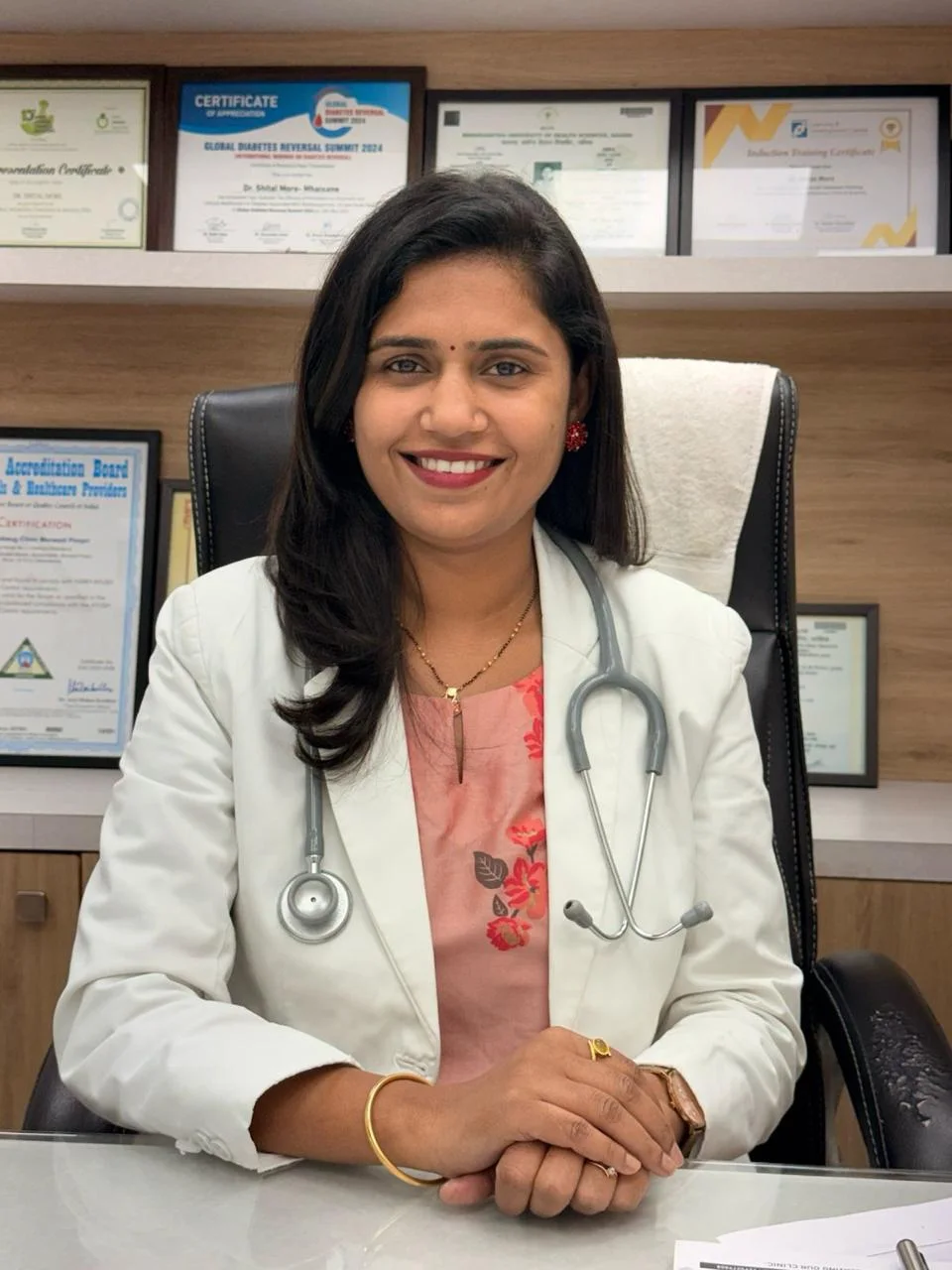
BAMS, MD (Ayurveda)
Your concerns, current treatment, available reports and daily routine guide the consultation. Discuss suitable supportive care with clear boundaries and realistic expectations.