
Understanding healthy growth in children
Children need a growth-based assessment. Adult weight targets and restrictive diets should not be applied to a child.
Causes and risk factors
Family routines, sleep, medicines and other factors can affect growth and weight. Use supportive language without blame or teasing.

Symptoms and changes to notice
A child’s appearance alone cannot establish health status. Discuss sleep, activity, growth or other concerns with a qualified child-health clinician.
How clinicians assess it
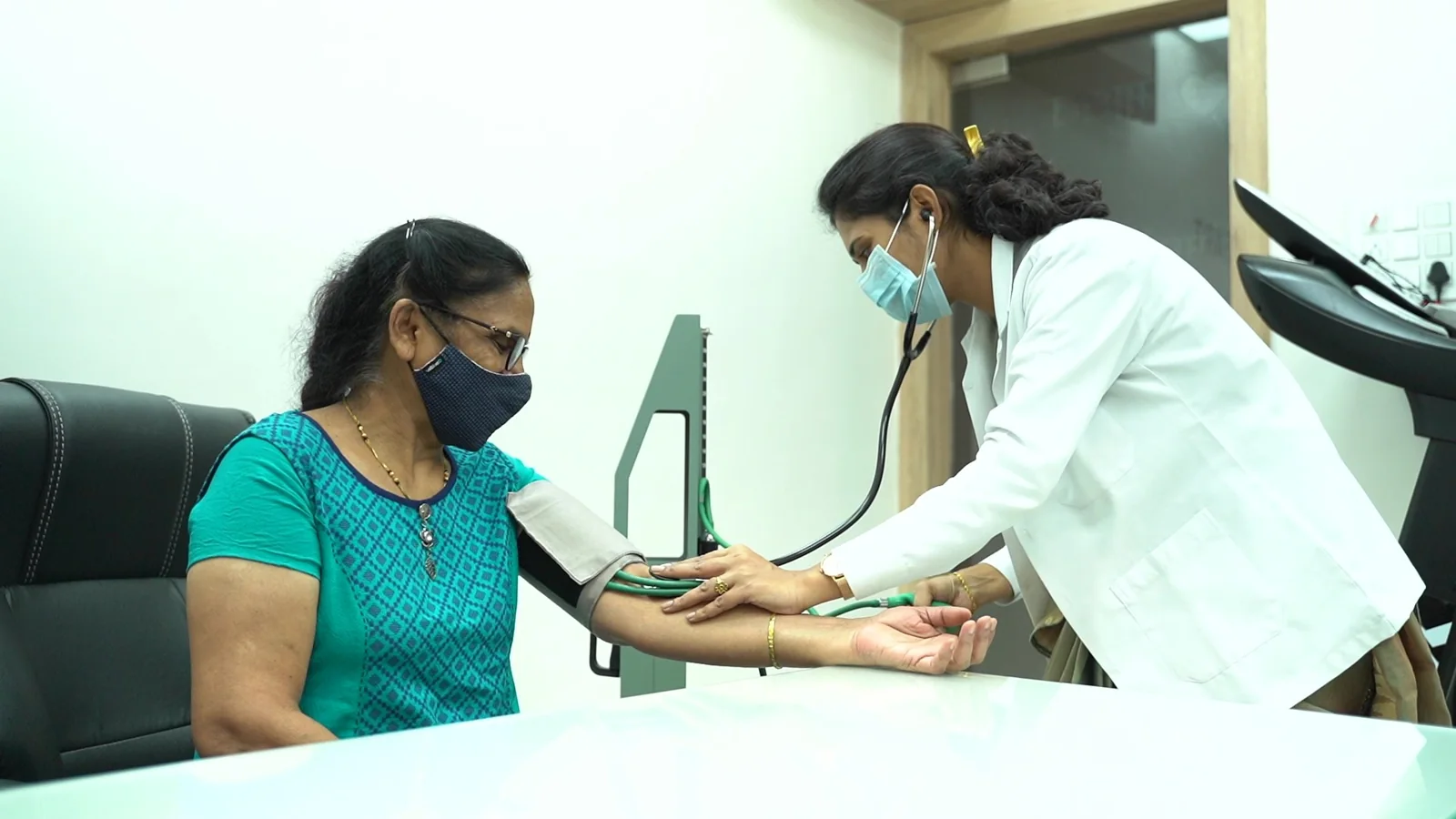
A paediatric clinician reviews growth over time and decides whether tests or specialist support are needed. Confirm the Pimpri clinic’s age-related scope before booking.
Understand tests and monitoring →
Recognise when the next step needs urgent care
New or severe chest pain, severe breathlessness, fainting or stroke symptoms need emergency hospital care. Do not wait for a clinic slot, a message reply or a planned test.
Continue the follow-up and prescribed treatment agreed with your treating clinician. A routine enquiry or a photograph cannot assess the seriousness of a new symptom.
Understand what the picture shows
A representative food photograph for a discussion about everyday meals. It is not an individual calorie target, weight-loss promise or meal prescription.
Questions for Dr. Shital
- Which age-appropriate clinician should assess this concern?
- How can the family discuss routines without blame or an adult restrictive diet?
Original clinic photograph. A photograph does not establish a diagnosis, a treatment result or completed medical review of this page.
Ask the clinic about your consultationGeneral educational information · Sources checked 22 October 2026 · Named clinician review pending. Tests described here are selected according to need; this does not confirm on-site availability.
Who should assess a child’s weight?
Start with a paediatric clinician who can consider growth, age and development. Bring the growth record and any existing reports. Do not apply an adult BMI interpretation, adult diet kit or an adult weight-loss target to a child.
How can parents prepare without blame?
Discuss family meals, sleep, activity, school routine and concerns about teasing or body image. Ask how the family can support the child without criticism, shame or pressure to change appearance.
What is the local service boundary?
Paediatric weight-management services at Madhavbaug Pimpri are not confirmed. This page provides preparation questions, not an offer of a childhood obesity programme. Contact a paediatric clinician for assessment and ask the clinic to clarify scope before arranging any local visit.

When should I seek urgent care?
New or severe chest pain, severe breathlessness, fainting or stroke symptoms need emergency hospital care. Do not wait for a clinic slot, a message reply or a planned test.
Use the appropriate hospital or emergency service for urgent symptoms. This website and its appointment links do not provide emergency assessment.
What information helps with childhood obesity: a family guide?
Bring what you already have. These discussion points are not a prescription for tests or a statement that every investigation is performed at the clinic.
Weight and waist history
Discuss the trend over time and what has already been tried, rather than judging health from one measurement.
Related conditions
Bring existing information about diabetes, blood pressure, thyroid, PCOS or other relevant diagnoses.
Food and routine
Describe usual meals, sleep, work shifts and activity so the discussion fits everyday life.
Medicines and goals
Share current prescriptions and realistic priorities; ask who should assess any additional concerns.
A plan that fits your diagnosis and daily life.
Confirm the clinic’s scope before booking. Age-appropriate or specialist assessment may be the necessary starting point.
Food and everyday routines
Discuss familiar food choices, portions, affordability, shifts and travel. Ask how the plan will be adjusted for existing health restrictions.
Diet and nutrition information →Ayurveda and Panchakarma suitability
Ask whether Ayurveda or a Panchakarma procedure is appropriate for your health, what it involves and how its purpose will be reviewed.
Ask which procedure is proposed, what preparation involves, what it costs and when it should be delayed or avoided.
Understand Panchakarma →Follow-up and coordination
Agree which measures matter beyond weight, how often to review them and when additional medical or age-appropriate specialist input is needed.
Understand the care approach →Leave the consultation with clear next steps.
- What is being assessed, and what remains uncertain?
- Which part of the proposed plan is intended to support my particular concern?
- What preparation, fees, precautions and follow-up apply?
- Who should I contact if symptoms change or the plan causes discomfort?
From your first question to a clear follow-up plan.
A routine consultation about childhood obesity: a family guide starts with your history. The clinician decides what is appropriate; this is not a fixed treatment protocol.

Meet your doctor →
Bring your health context
Prepare the reports and prescriptions you already have, together with your questions.
Discuss assessment and suitability
Explain your current treatment and any recent changes. Ask whether specialist review is needed.
Understand the proposed plan
Discuss suitable care, food and routines, preparation, limitations and fees before agreeing.
Confirm your follow-up
Clarify what to monitor, who reviews progress and when to seek medical advice.
Preparing for a Pimpri consultation
For a routine enquiry, contact Madhavbaug Pimpri Morwadi and explain which appointment you want to clarify. Confirm whether the clinic can address your concern, whether another specialist should be involved and whether you need any preparation. Tests mentioned in educational material are not automatically available on site.
- Bring prescriptions and reports you already have; do not arrange new tests solely because a page mentions them.
- Include hospital discharge instructions, allergies, herbs and supplements in the discussion.
- Ask what is proposed, its limitations, costs and alternatives before agreeing to care.
- Clarify who will review progress and who is responsible for specialist follow-up.
Ayurvedic care requires individual suitability and safety assessment. Do not stop medicines or delay necessary specialist treatment. No cure, fixed result or treatment timeline is promised.
Frequently asked questions
How can a consultation at Madhavbaug Pimpri help?
Start with age-appropriate paediatric assessment. Families can discuss everyday meals, activity, sleep and practical routines without blame or restrictive adult diets. Confirm the clinic’s paediatric scope before booking; an adult programme is not automatically suitable for a child.
Should my child follow my own weight-loss diet?
No. Children need age-appropriate assessment and guidance. Ask a paediatric clinician before introducing a restrictive diet, weight-loss product or adult programme.
How is a child’s weight assessed?
A qualified child-health clinician considers growth over time and age-appropriate measures. Adult BMI targets or a parent’s restrictive diet should not be applied to a child.
Can I book my child into an adult programme?
Confirm the clinic’s age-related scope before booking. A paediatric assessment may be the appropriate starting point; this page does not confirm a dedicated childhood programme.
Sources and further reading
Sources explain general health information. They do not prove local programme availability or outcomes from Ayurvedic treatment. Your treating clinician should interpret what applies to you.