
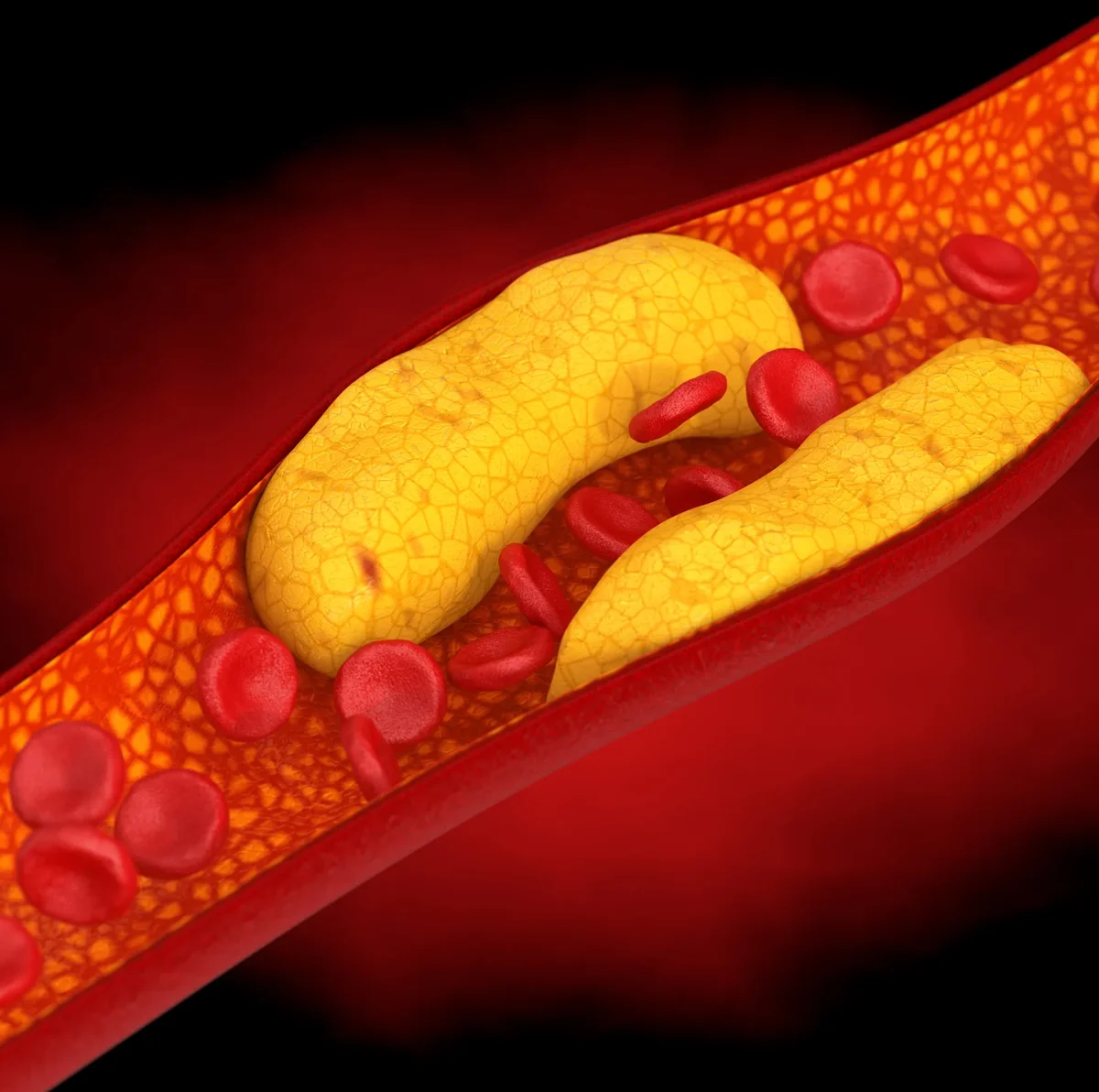
What does coronary artery blockage mean?
Coronary arteries supply the heart muscle. A build-up of fatty material can narrow these arteries and reduce blood flow. A suddenly interrupted blood supply can cause a heart attack. A report showing narrowing must be interpreted alongside symptoms, heart function and other clinical findings.
Which symptoms need attention?
Chest discomfort with activity, breathlessness or a change in exercise tolerance warrants medical assessment. Symptoms can vary, and some people have less typical signs. Never use the absence of severe pain as reassurance that a heart problem is minor.
Seek urgent hospital care
New or severe chest pain, severe breathlessness, fainting, or stroke symptoms need urgent hospital care. Do not wait for a clinic appointment or WhatsApp reply.

How is severity assessed?
A cardiac team considers symptoms, examination, previous events, heart function and the reports needed to answer the clinical question. Some situations need prompt specialist assessment or hospital care. A single normal result cannot rule out every heart problem. Do not arrange exercise or other investigations during unstable symptoms without medical advice.

Which risk factors matter?
Smoking, high blood pressure, diabetes and cholesterol are important parts of risk assessment. Discuss family history, food, movement, sleep and weight with your treating team. A practical risk-management plan needs follow-up and prescribed medicines where indicated.
Blood pressure care · Diabetes management · Obesity & weight management
Where does supportive Ayurveda fit?
An individual Ayurvedic consultation may support nutrition, daily routine and wellbeing alongside conventional treatment. Tell both care teams about medicines, herbs and supplements to check suitability and interactions. No therapy should be presented as a promise to reverse every blockage.
Frequently asked questions
Can angioplasty or surgery always be avoided?
No. Some patients need angioplasty, bypass surgery or urgent intervention. Your cardiologist considers your symptoms, anatomy and overall clinical situation. Supportive care must not delay necessary treatment or replace prescribed cardiac medicines.
Further reading
WHO: cardiovascular diseasesClinic information team · Updated 8 October 2026 · Educational information
Why does a percentage need clinical context?
A description of coronary narrowing is one part of a wider assessment. Your cardiac team considers symptoms, which arteries are involved, heart function, other conditions and the relevant investigations. A percentage copied from a report cannot decide your treatment on its own.
Ask the clinician to explain the report in ordinary language: what was tested, what the result means, what remains uncertain and which next step is recommended. Keep the original report and images where available. Do not compare your treatment solely with a relative or a social-media example.
How are treatment options discussed?
Management may include heart-healthy routines, prescribed medicines and procedures when indicated. The choice depends on clinical findings and the individual situation. Ask your cardiac team which option is recommended, what benefit it is intended to provide, what the risks are and how urgently a decision is needed.
If you would like supportive Ayurvedic care, discuss its exact proposed role with the treating team. It must not delay necessary cardiology treatment or be presented as a guarantee that angioplasty or bypass can be avoided. The clinician responsible for your prescription should review any medicine change.
What should you bring to a supportive-care visit?
- Current prescriptions, including medicines following a stent or bypass.
- Hospital discharge instructions and the cardiologist’s follow-up plan.
- Relevant reports you already have, placed in date order.
- A description of symptoms, changes in activity and your main questions.
- A list of herbs, supplements, allergies and previous reactions.
Ask the clinic before arranging new tests solely for the visit. Mention any recent change in symptoms when you contact the team. An educational page or routine appointment cannot assess an emergency.
Which questions help you judge a programme?
Ask what is proposed for you, why each part is included, who supervises it, how progress will be measured and what happens if symptoms worsen. Request a written estimate and understand the alternatives before enrolling. A published study or another person’s experience is not a prediction of your own outcome.
Useful progress discussions may include daily functioning, relevant measurements and how the plan fits everyday life. They should also preserve your prescribed treatment and specialist follow-up. A better reading or improved comfort does not, by itself, establish that a coronary artery has cleared.
Explore the full heart-health care guide →Sources for the medical overview.
Sources checked 25 October 2026. These explain established medical care, not clinic-specific outcomes. Clinical review of this expanded educational draft is pending.
Care should fit your situation
Educational information does not replace an individual medical consultation. Outcomes and suitability vary. Continue prescribed medicines unless your treating doctor changes them.