What Abhyanga describes
Abhyanga combines external application of a selected oil with a planned form of massage. It belongs to Ayurvedic practice, but the name does not describe one identical session in every setting. A local procedure may focus on a selected area, whereas a more extensive session involves several body regions. The team should tell you which form is intended and why.
It is useful to separate three questions: what the therapist will do, what experience the session may offer and what health outcome is realistically expected. A relaxing experience does not establish that a medical condition has been cured. Likewise, a traditional explanation for choosing a preparation should not be converted into a promise that massage removes plaque, corrects every hormone problem or makes prescribed treatment unnecessary.
How it relates to Snehana and Panchakarma
Snehana is the broader concept of oleation, which can involve external or internal routes. Abhyanga is one external form. This makes it different from internal Snehapana, a rectal Basti procedure or a purgative intervention. The words should be explained rather than used as though they describe the same treatment.
Abhyanga may be discussed as supportive care or as part of preparation for another selected Ayurvedic procedure. That relationship does not mean everyone attending for massage must undertake a cleansing course. Ask whether the session is intended to stand alone, accompany rehabilitation or prepare for something else. Each additional intervention needs its own explanation, assessment and consent. You can agree to learn about one option without committing to a whole package.
Local, whole-body, head and foot forms
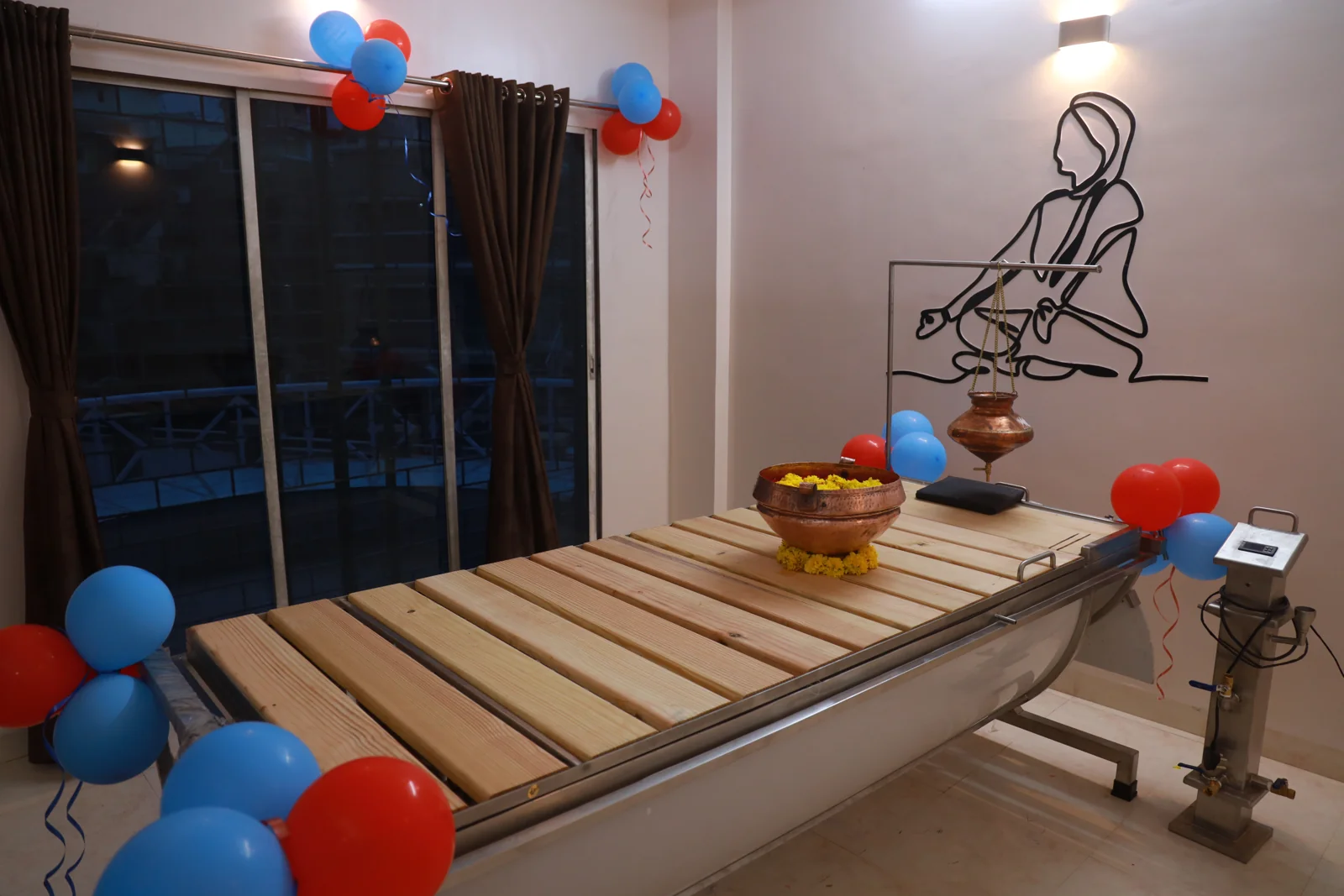
You may encounter terms such as Sarvanga for a more extensive application, Sthanika or Ekanga for a local area, Shiro Abhyanga for the head and Pada Abhyanga for the feet. These labels help describe the area, but they do not settle the question of suitability or technique. Ask what will actually be included in the proposed session.
A photograph of foot massage should not be used to imply that a full-body programme has been documented. Similarly, a head massage is different from Shirodhara, in which a stream is directed over the forehead. Knowing the distinction helps you choose information relevant to your question. It also avoids arriving for an appointment expecting a procedure that the clinic has not confirmed or the clinician has not recommended.
Identify a realistic reason for considering it
Someone may be interested in Abhyanga for relaxation, a sense of bodily comfort or supportive care alongside a musculoskeletal plan. Another person may simply want to understand an Ayurvedic recommendation. Explain the concern in your own words. Where do you feel discomfort? Which activities are difficult? What would make a session worthwhile to you?
Goals should be observable and proportionate. Feeling more comfortable after a session is different from being able to resume a particular activity, and both differ from altering the course of a disease. Avoid an undefined promise of complete rejuvenation. A clear goal makes it easier to review the decision later and to recognise when another intervention, rehabilitation programme or medical assessment is more relevant.
Assessment before hands-on care
Massage should follow an understanding of the person and the concern, not begin automatically because a slot has been booked. Tell the clinician about the onset and location of symptoms, injuries, operations, ongoing conditions and treatment. A new painful area may need examination before local pressure or warmth is considered.
Some symptoms need a different pathway. An acutely hot swollen joint, unexplained limb swelling, fever with severe pain or a recent injury should not simply be massaged as muscle tightness. The clinician may recommend a further evaluation or decide not to proceed. That is part of thoughtful care, not a failure of the session. A booking choice alone cannot determine whether hands-on treatment is appropriate on that day.
Medicines and conditions worth discussing
Give the team an accurate medicine list, including blood-thinning treatment, steroids, pain medicines, sedating products and supplements. Explain bleeding or bruising problems, fragile bones, skin conditions and any previous clot. Mention pregnancy, cancer treatment, recent surgery, a joint replacement or a device that could be affected by positioning or pressure.
The information helps the clinician modify or avoid techniques where necessary. It does not mean every person with one of these circumstances is barred from all forms of gentle touch. The decision needs individual context. Do not stop a medicine to make massage seem safer. If a proposed session conflicts with restrictions from a surgeon or another treating clinician, clarify the plan before attending rather than choosing which instructions to ignore.
The outline of a supervised session
At the start, confirm the intended area, oil, pressure, positioning and supervision. The therapist should explain how draping will be arranged and how you can request a change. Depending on the named form, the session may involve one area or a planned sequence of several regions. This overview is not an instruction for performing the procedure at home.
Communication should continue throughout. Report discomfort, a feeling of excessive pressure, burning, dizziness or a position that makes breathing difficult. You should not have to endure pain to prove commitment to treatment. A therapist may pause, adjust the arrangement or stop and seek clinical review. The plan should respond to the person rather than requiring every patient to tolerate the same approach.
Pressure is not a test of treatment strength
A common misconception is that stronger pressure must provide a greater therapeutic effect. In practice, pressure needs to suit the area, tissue health, diagnosis and your response. A sore muscle, a recently injured region and a vulnerable joint are not equivalent. Explain what feels comfortable and what feels painful without worrying that you are making the session less effective.
Abhyanga should not be confused with forceful spinal manipulation or an attempt to push a structure back into place. Any additional technique needs its own explanation and appropriate professional assessment. A person with fragile bones, reduced sensation or a recent operation may need a substantially modified plan. The absence of immediate pain does not by itself show that a technique is suitable.
Privacy, dignity and personal preferences
Discuss clothing, draping and the areas to be treated before the session starts. You may have preferences about therapist arrangements, assistance, language or the presence of a support person. Ask what can be accommodated. An explanation should be understandable and respectful rather than delivered only through unfamiliar terminology.
Consent can change. You can decline a particular area, request a pause or stop the session. A team should not treat discomfort with exposure or touch as something that must be overcome for treatment to work. If a practice has a standard routine, it should still be explained and adapted where clinically appropriate. Privacy is part of competent care, not an optional extra reserved for people who know which questions to ask.
Ask about the oil and skin contact
Oils differ in their base ingredients, added herbs, fragrance and intended use. Tell the clinician about previous skin reactions, allergies and products already applied that day. Natural does not mean incapable of causing irritation. An unexplained rash, broken skin or an active skin infection deserves assessment before an application is considered.
Do not bring a substitute product expecting the therapist to use it without review. The preparation needs to be identifiable and suitable for the proposed use. If you develop itching, redness, swelling or another unexpected response, describe it promptly. Ask what cleaning or skin care is appropriate afterwards. Avoid adding extra essential oils or topical products on your own because another article recommends them.
Comfortable positioning and practical assistance
People differ in their ability to lie face down, turn, remain still or get onto a treatment surface. Neck discomfort, breathlessness, abdominal symptoms, pregnancy and mobility limitations can affect positioning. Tell staff beforehand so that support can be planned rather than improvised after you become uncomfortable.
Oil can make feet and surfaces slippery. Ask for assistance when standing if balance is limited or you feel light-headed. Do not rush to dress or walk because another appointment is waiting. Practical safety continues after the hands-on portion ends. Confirm whether you feel steady enough to travel independently, particularly if pain, dizziness or another symptom already made the journey difficult.
What massage research can and cannot tell you
Research on massage has examined pain, function and wellbeing in different populations. Findings vary with the condition, technique, comparison and study quality. A result from general massage research cannot automatically be assigned to every Ayurvedic oil, body area or programme containing several interventions. Ask which evidence directly concerns the proposal relevant to you.
People may value temporary comfort or relaxation even when evidence for changing a disease is uncertain. Those experiences can be described honestly. The problem arises when a pleasant session is presented as proof of cartilage repair, arterial clearance or a guaranteed cure. Traditional use, clinical experience and controlled research are different kinds of information. A clear explanation should identify which is supporting the recommendation and where the limits lie.
Massage alongside movement and rehabilitation
For many ongoing musculoskeletal concerns, appropriate activity and rehabilitation are important parts of care. A massage session should not become a reason to stop moving indefinitely or to abandon a useful exercise plan. Explain any physiotherapy advice you already follow and ask how hands-on care, if appropriate, would fit around it.
A manageable plan might focus on confidence in ordinary tasks rather than pursuing complete pain elimination before any activity. Your clinician can help determine what is suitable for the diagnosis. If movement causes a new concerning symptom, report that change. The goal is coordinated care: touch, activity, rest and medical treatment considered together, instead of expecting one passive intervention to do the work of every other component.
Before the appointment
Bring relevant reports and prescriptions, along with a clear account of symptoms and expectations. Confirm what the appointment includes, what clothing may be comfortable and whether you need assistance with access or positioning. If you are unwell, have a new injury or have developed a rash, contact the clinic before assuming the session should go ahead unchanged.
Do not begin fasting, stop medicines or take an extra sedative to make the appointment easier without clinical advice. If anxiety about touch or exposure is a concern, mention it directly. The team may explain the process more slowly, adjust the arrangement or decide that another approach is preferable. A session is more useful when practical concerns are discussed before treatment rather than endured silently.
After-care without unnecessary restrictions
After-care should match the actual procedure and your circumstances. Ask about cleaning residual oil, ordinary activity and any specific advice related to your diagnosis. There is no universal requirement for an extreme diet, prolonged bed rest or a cleansing product after every oil massage. If you already have medical dietary or fluid restrictions, keep them coordinated with the responsible clinician.
Some temporary sensations may occur after hands-on care, but significant or worsening symptoms should not automatically be dismissed as a beneficial reaction. Describe severe pain, bruising, rash, dizziness or another concern. Obtain a clear contact route and know when urgent assessment is needed. The decision to continue should depend on your response and health, not an obligation to complete a predetermined course.
Review comfort and function separately
At review, distinguish how the session felt from what changed afterwards. Did you enjoy the experience? Was an ordinary task easier? Did any benefit last? Did you change medicines, exercise or work demands at the same time? These questions allow an honest assessment of value without attributing every change to the massage alone.
A brief record can help, but it should not turn into constant symptom checking. Choose one or two meaningful activities and note unexpected effects. If there is no useful response, the plan may need to change. A positive relationship with the clinic does not require you to report improvement. Saying that a session was pleasant but did not change your symptoms is valid and clinically useful information.
Head and foot applications need their own explanation
Pada Abhyanga focuses on the feet, while head-focused forms involve a different area and arrangement. A local procedure may be appealing because it feels less extensive, but it still requires attention to skin, sensation, circulation, injury and the reason for care. Foot massage should not be applied automatically to a swollen, injured or insensate area.
A local form is not evidence that a whole-body procedure is needed next. Ask what the clinician hopes it will contribute and how the response will be judged. Claims that pressure on one location cures a distant organ disease should be examined carefully. A comfortable local experience may support wellbeing without proving a systemic medical effect. Keep the explanation connected to the actual procedure and your assessed needs.
Confirm the local service and costs
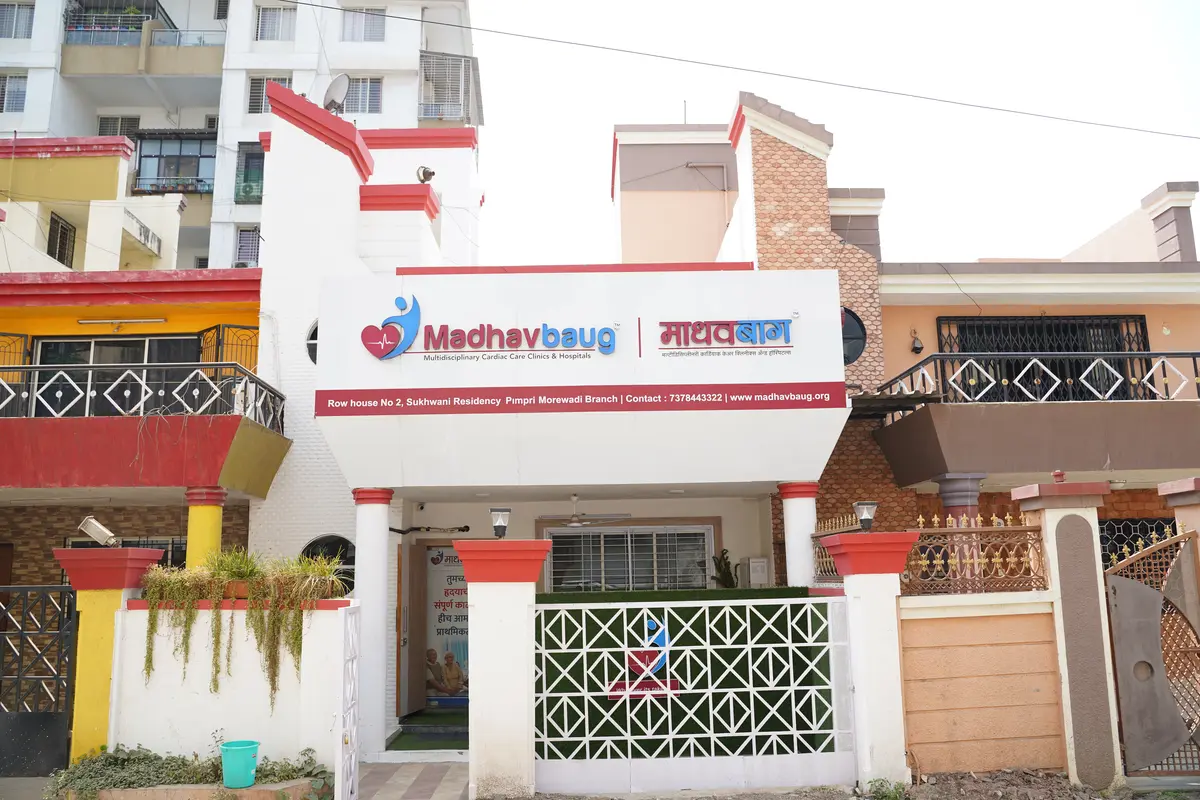
This guide describes a therapy category rather than confirming every variation at Madhavbaug Pimpri Pune. Ask which forms are currently offered, who performs them and who is responsible for assessment and supervision. Clarify whether the visit is a consultation, a therapy session or a review. An external booking link does not itself confirm that a particular technique has been prescribed.
Understand what the fee includes and whether a proposed course is reviewed before further sessions. Do not use another institution's tariff as the clinic's price. Ask what happens if treatment is postponed or discontinued for medical reasons. Making practical details explicit supports an informed decision and avoids confusing a general programme description with a personal treatment commitment.
New symptoms should change the conversation
A familiar diagnosis does not explain every new pain. If a previously comfortable area becomes swollen, red, unusually warm or very painful, describe the change before treatment. Mention a recent fall, fever, infection, long journey or hospital stay. These details can affect whether the problem needs another assessment rather than local hands-on care.
Similarly, new weakness, loss of sensation, difficulty walking or a change in bladder or bowel control should not be treated as ordinary muscle tension. Depending on the pattern, urgent evaluation may be needed. Massage is not a diagnostic test: an area feeling easier during touch cannot reliably rule out an important medical problem. A responsible plan recognises changes in the symptom pattern and does not continue automatically because previous sessions were well tolerated.
What good communication looks like
Good communication is specific. The team should be able to name the proposed procedure, identify the preparation, explain the treated areas and describe how comfort will be monitored. You should know who to contact with a concern and when the response will be reviewed. These are practical signs of an organised process, not a claim that a particular clinic has been audited or accredited.
Be cautious if every question is answered with a guarantee, if pain is dismissed without assessment or if you are asked to stop unrelated prescribed treatment simply to follow a package. A clinician can explain uncertainty without undermining a supportive care option. Honest limits make it easier to decide whether the proposed session fits your priorities and to recognise when a different type of help is needed.