Understanding the name and the procedure
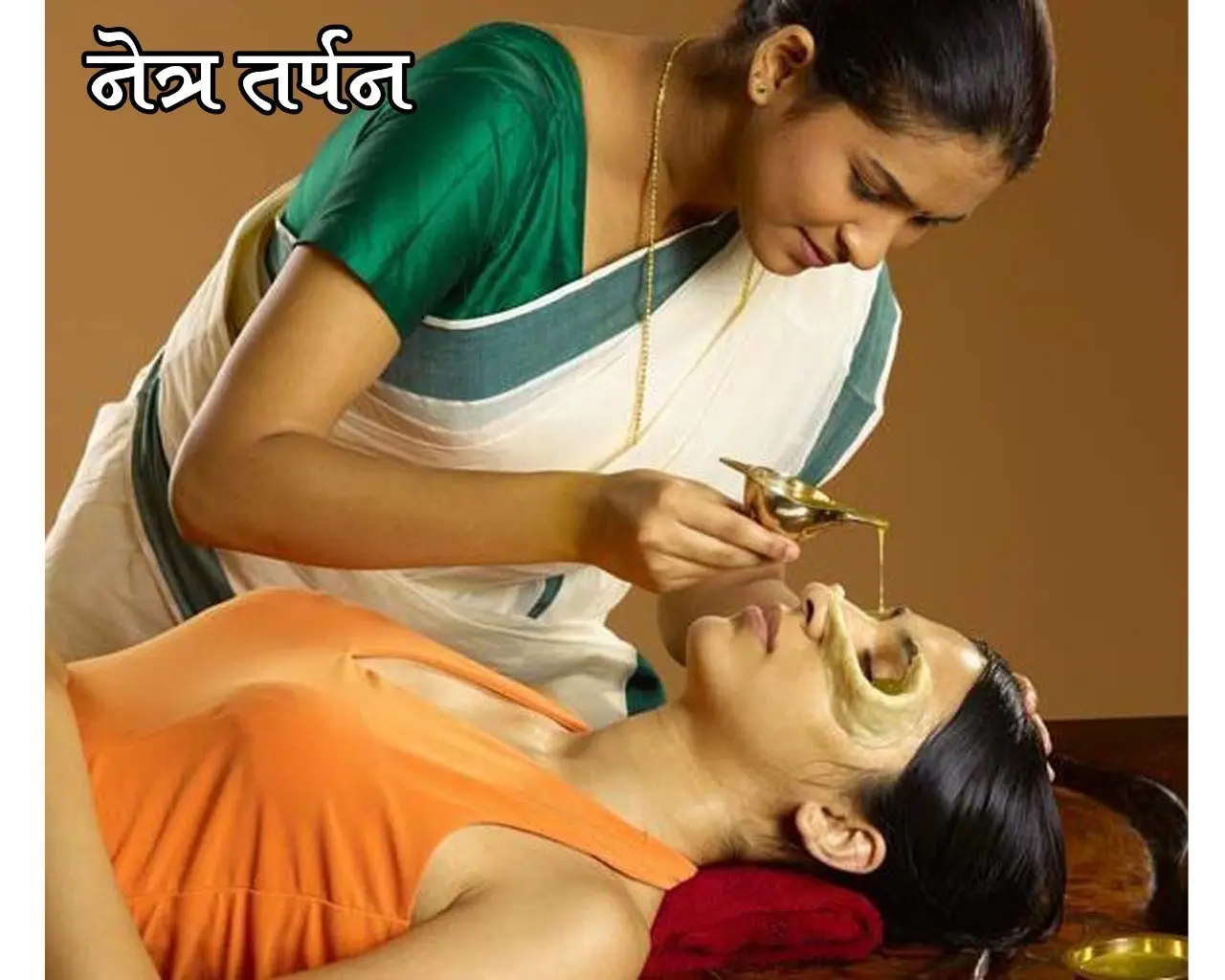
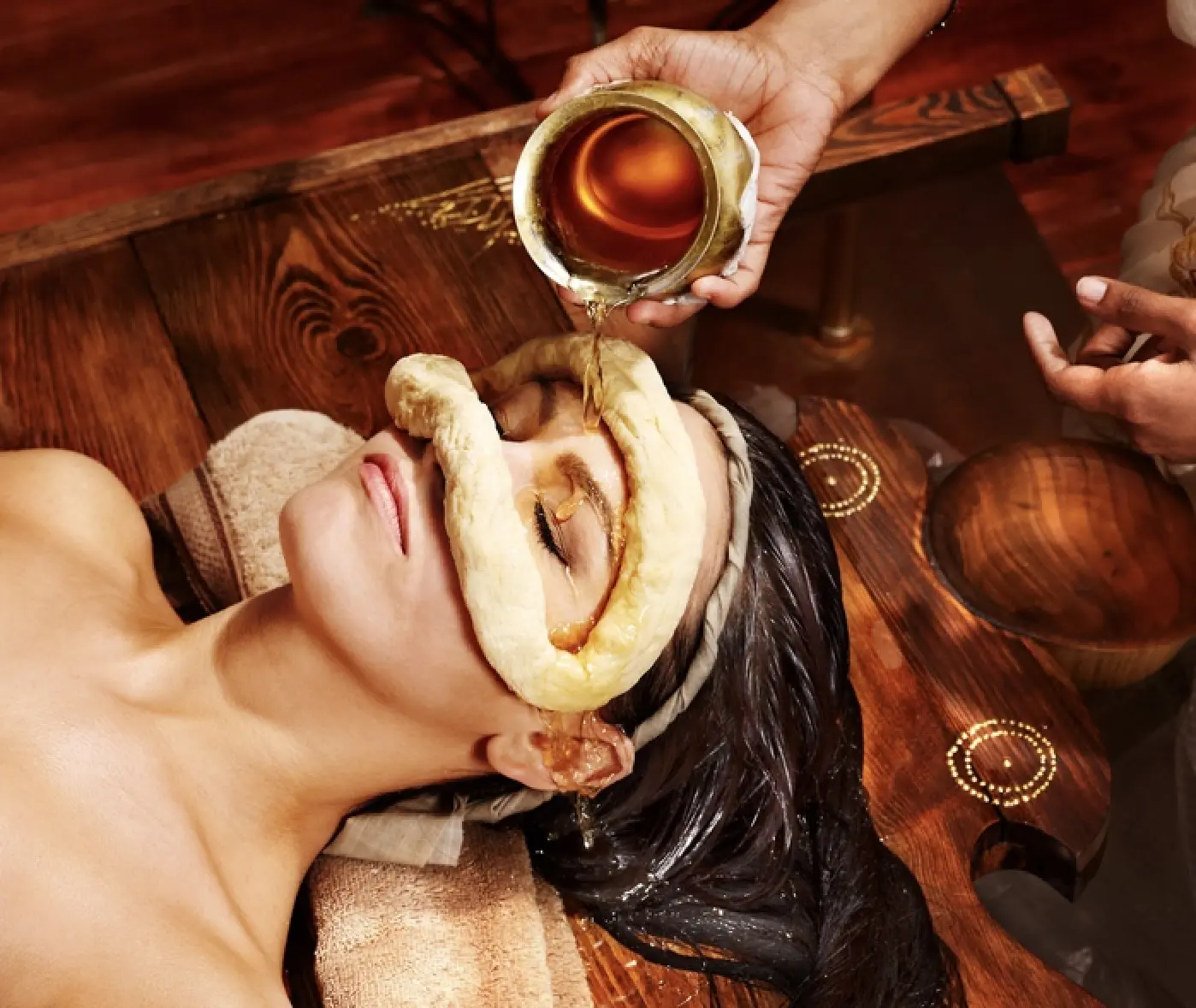
Netra refers to the eyes, and Tarpana is a traditional term associated with nourishment or satisfaction. In procedure descriptions, the practical feature is retention of a selected preparation around the eye region within a retaining arrangement. That broad description is useful for understanding photographs, but it is not a home-treatment instruction. The materials, professional method and intended use require an individual assessment.
Different centres may use related names or different approaches. Netra Tarpana is not automatically the same as applying ordinary eye drops, bathing the eyes with water or having a standard ophthalmic examination. Confirm the exact procedure being discussed. A name familiar from a video should not be enough to decide that the intervention is suitable for your symptoms or that another clinic uses the same professional arrangements.
Its place in traditional eye-related care
Ayurveda includes eye and ear, nose and throat practice within Shalakya Tantra. Netra Tarpana appears among traditional eye-related procedures in institutional and educational descriptions. This provides context for the terminology. It does not, by itself, establish effectiveness for every advertised eye condition or mean that every general Ayurveda clinic has the same specialist facilities.
A practitioner should explain the traditional rationale in ordinary language and distinguish it from a modern diagnosis. Terms such as nourishment should not become promises to repair the retina, reverse cataracts or restore lost sight. A respectful discussion can acknowledge traditional practice while being clear about uncertainty, professional scope and the need for appropriate ophthalmic care. Both the proposed benefit and its limitations should be understandable before consent.
Begin with what is happening to your eyes
Describe the problem in your own words: discomfort, grittiness, watering, blurred vision, redness or difficulty with a particular task. Explain whether one eye or both eyes are affected, whether the symptom is constant and whether it is new. A familiar-sounding symptom can have several causes. Dryness, allergy, infection, a prescription issue and other conditions do not all need the same assessment or treatment.
Tell the clinician if symptoms relate to reading, computer work, contact-lens wear, a new product or an injury. Mention whether vision changes when you blink or whether you experience pain or light sensitivity. These details help identify the appropriate next step. Do not assume that a treatment advertised for tired eyes is the correct response to unexplained or worsening symptoms.
An eye assessment may be needed first
The appropriate assessment depends on the concern and the person's history. It may require an ophthalmologist or another qualified eye-care professional and equipment not available in a general consultation room. The clinician should identify whether further examination is needed before considering an elective procedure. A general health discussion does not automatically include every eye test.
Bring previous diagnoses and reports, particularly if you have glaucoma, retinal disease, diabetes-related eye problems or a history of surgery. Share the names of prescribed drops and any follow-up already arranged. Ask how the proposed Ayurvedic intervention would fit alongside that care. It should not interrupt monitoring or delay treatment for a condition in which timely action matters.
Dry-eye symptoms need a diagnosis, not an assumption
Dry eye is a medical condition with different contributing factors. A feeling of dryness alone cannot confirm the cause, and some people describe watering or fluctuating vision rather than simple dryness. An eye-care professional can assess the tear film, eye surface and relevant history. Established management varies with the findings; it should not be replaced by a universal treatment chosen from a brochure.
If Netra Tarpana is proposed in this context, ask what specific benefit is expected and what evidence concerns the same diagnosis. A soothing experience does not establish that the underlying problem has resolved. Continue prescribed eye care and follow-up unless your treating eye clinician changes the plan. Persistent symptoms deserve review rather than repeated attempts with unfamiliar products.
What to tell the clinician before treatment
Mention allergies, previous reactions to eye products, current infection concerns, contact-lens use and recent eye surgery or injections. Include all eye medicines, not just tablets taken for general health. If you have reduced sensation, difficulty lying back, a movement disorder or anxiety about something near your eyes, explain this before the procedure is arranged.
Medical conditions such as diabetes can make regular eye follow-up important even when vision feels normal. Do not skip a planned retinal assessment because you are exploring Ayurveda. The responsible professionals should understand the whole picture and decide whether any complementary procedure is appropriate. This guide cannot determine eligibility or provide a list that safely clears someone for treatment online.
Materials and professional hygiene matter
The eye region is sensitive, and a product being natural or edible does not make it suitable for use near the eyes. Ordinary kitchen ghee, oils or homemade herbal mixtures should not be substituted for a professionally selected preparation. This guide provides no recipe or administration method. Ask what preparation is proposed and how the team addresses quality, handling and hygiene.
A photograph cannot establish whether the materials were appropriate or the procedure safely performed. Likewise, an attractive room does not prove specialist training or good clinical systems. Ask who is responsible for assessment and supervision, how concerns are handled and whether an eye-care referral is available if needed. You should receive a clear explanation rather than being expected to judge technical safety from appearance alone.
Consent and comfort around the eyes
Some people feel uneasy when their eyes are covered or when a procedure limits their view of the room. Discuss this openly. Before anything begins, understand the broad sequence and how you can ask for a pause. The team should explain positioning, privacy and what you may experience. You should not feel obliged to continue because the preparation has already been made.
Consent includes understanding why the intervention is proposed, what benefit is uncertain and which alternatives exist. Ask about foreseeable discomfort, possible adverse reactions and the arrangements if symptoms develop. You can decline or request more time. The professional explanation should be specific to the planned intervention rather than a general assurance that all Ayurvedic eye care is safe.
A supervised appointment in broad stages
An appropriate visit starts by confirming the plan and checking whether anything has changed since assessment. New redness, pain, discharge, illness, medicines or an eye procedure elsewhere can change the decision. The team should explain what will contact the eye region and what you should report. Exact technical details are for qualified professionals, not instructions to reproduce at home.
After the procedure, advice should reflect the preparation used and the person's response. Ask about prescribed drops, usual activities, contact lenses and follow-up. If you feel unwell or your vision is not as expected, say so before leaving. A routine description of aftercare must not be used to dismiss pain or a significant visual change as a necessary part of treatment.
What a reasonable goal could look like
The care goal should connect with the reason for assessment. Someone may want to understand persistent discomfort or improve confidence in a daily visual task. That goal should be discussed alongside the diagnosis and available treatment options. A responsible clinician should explain whether the proposed procedure has direct evidence for that problem or is being considered on traditional or experiential grounds.
There is a difference between feeling relaxed, reporting temporary comfort and demonstrating improvement in an eye disease. These outcomes should not be described as if they were interchangeable. If a measurement is used, ask what it means and who interprets it. Neither a pleasant session nor a photograph of the procedure is evidence that eyesight has been restored or a serious condition prevented.
Reading studies and claims with care
Research should be judged by the exact diagnosis, intervention, comparison and outcomes. A small study of one preparation cannot establish that every product or method called Tarpana has the same effect. Reports without a suitable comparison may not show whether a procedure caused improvement. The evidence should be discussed in a way that matches the importance of the decision.
Be especially careful with claims about removing spectacles, reversing glaucoma, curing cataracts or restoring retinal damage. Such statements could lead someone to delay effective care. A clinic should not transfer results from another institution to its own patients or present traditional terminology as proof of a modern mechanism. Ask which conclusion is supported and what remains untested.
Continue care for established eye conditions
Glaucoma, cataracts, diabetic eye disease and retinal problems have different care pathways. An Ayurvedic procedure should not be presented as a reason to discontinue prescribed drops, postpone an indicated operation or miss scheduled monitoring. Your treating eye clinician remains responsible for decisions about those conditions. If you are considering additional care, share the proposed procedure and preparation details.
Coordination is particularly important after surgery, an injection, an injury or a new diagnosis. Ask when another clinician's input is required and obtain clarification before proceeding if advice conflicts. Continuing appropriate treatment is compatible with asking thoughtful questions about complementary options. It avoids the false choice that a person must abandon one system of care to explore another.
Precautions for contact-lens wearers
Tell the clinician which lenses you use, how often you wear them and whether they have been associated with discomfort or redness. Contact-lens-related symptoms may need an eye assessment. Do not assume that a procedure intended for dryness is suitable for a painful or red eye in a lens wearer. The exact preparation and method also matter when discussing any return to lens use.
Ask for individual advice rather than using a fixed interval copied from social media. Continue to follow the lens-care instructions given by your eye-care professional. If symptoms worsen, avoid treating repeated discomfort as something to push through. Pain, light sensitivity or a visual change should be assessed, especially when a new symptom develops around the time of an elective procedure.
Symptoms that must not wait for a routine appointment
Sudden loss or marked reduction of vision, severe eye pain, significant injury or a chemical exposure needs urgent medical attention. New flashes, a sudden increase in floaters or a curtain-like shadow can indicate a retinal emergency. These symptoms should not be managed by waiting for a routine therapy slot or asking for a response through social media.
A new red eye with pain or a visual change also warrants prompt professional advice. If you have had a procedure and develop concerning symptoms, give the medical team the name, timing and any preparation details you know. Do not delay because you were told that temporary discomfort is expected. The appropriate level of urgency depends on the symptom, not on the reputation of the treatment you received.
Prepare practical questions before travelling
Confirm the exact intervention, current availability, who assesses suitability and which professional supervises it. Ask about fees, time at the clinic, preparation and whether you should bring existing eye reports. Clarify whether a separate ophthalmic consultation is needed. A general clinic page or a treatment photograph is not confirmation that all these arrangements are available locally.
If you need assistance with transport, reading instructions or communicating symptoms, discuss this beforehand. Ask whether advice can be provided in a language you understand. Do not drive if your vision is disturbed or you do not feel safe to do so. Travel arrangements should follow your actual condition and the clinician's advice rather than an assumed recovery time for everyone.
Aftercare and review should be specific
Obtain instructions on what to do with your existing eye medicines and what symptoms should prompt contact. Ask when to review and who will assess the response. Written advice is useful if a support person helps with your care. Avoid adding another eye product or a home remedy during the same period without discussing it, because this can complicate symptoms and their interpretation.
At review, describe whether any change lasted and affected everyday comfort or function. Mention other treatments, work changes or rest that occurred at the same time. If symptoms persist or return, reassessment is more useful than automatically purchasing another course. A different diagnosis or another care pathway may be more appropriate than repeating an intervention with an uncertain benefit.
Using reference photographs responsibly
The photographs supplied for this guide illustrate the broad appearance of Netra Tarpana. They do not establish that the people shown are Pimpri patients, that a particular protocol was used or that any result occurred. An image is helpful when it explains the term; it becomes misleading if it implies credentials, consent, location or effectiveness that have not been verified.
Do not attempt to recreate a procedure from a picture. The photograph cannot show the assessment, product handling, supervision or decision to stop. If you find a photo unsettling, ask the clinician to explain the proposed process before deciding. Good patient information should support a choice, not pressure someone into an intervention because the image looks traditional, luxurious or technologically advanced.
Tarpana, Dhara, Nasya and an eye examination are different
Related Ayurvedic words may appear together in a menu, but they should not be treated as synonyms. Tarpana involves retention around the eye region; a Dhara description concerns a stream or flow, and Nasya concerns a nasal route. The exact intervention should be named and explained. A photo of one procedure should not be used to represent another simply because both are performed near the head.
An ophthalmic examination has a different purpose: identifying and assessing an eye condition. It is not replaced by observing how someone responds to a traditional procedure. When several options are offered, ask which question each one addresses and whether they are proposed as alternatives or as parts of a combined plan. This helps prevent confusion about what is necessary, optional or still uncertain.
Diabetes and eye monitoring remain important
People living with diabetes may have an eye problem without obvious early symptoms. Feeling comfortable after a session does not show that the retina is healthy or that routine monitoring is no longer needed. Keep appointments recommended by your diabetes and eye-care teams, and share any existing diagnosis before considering an additional procedure. Changes in general health and medicines can also be relevant to the eye-care discussion.
If a clinic describes an Ayurvedic procedure as supporting wellbeing, that should not be interpreted as treatment for diabetic retinal damage. Ask how it fits alongside established monitoring and management. A supportive intervention and disease-specific medical treatment have different roles. Their names, expected outcomes and limitations should remain clear in the written plan.
Children and people who need additional support
An adult guide should not be used to decide whether a child needs an eye-related procedure. Children may have different symptoms, examination needs and ways of expressing discomfort. Concerns about vision, schoolwork, squinting or an eye turning should be evaluated appropriately rather than matched to an adult wellness service. The professional should explain age-appropriate options and involve the child and parent or guardian in a suitable way.
Someone with communication difficulties, reduced mobility or anxiety may also need additional support. Discuss how discomfort will be recognized, how consent is handled and whether the setting can meet the person's needs. An inability to describe pain clearly is a reason for careful assessment, not reassurance that the procedure is being tolerated well.