Start with the exact name and route
Hridya, Hridaya and Hrudaya are spelling variations encountered in discussions related to the heart or chest region. Dhara describes a stream or pouring application. In an external Hrid Basti description, a prepared boundary retains a selected liquid locally on the skin. The exact terminology can vary between settings, so a name alone is not enough to tell you what will happen.
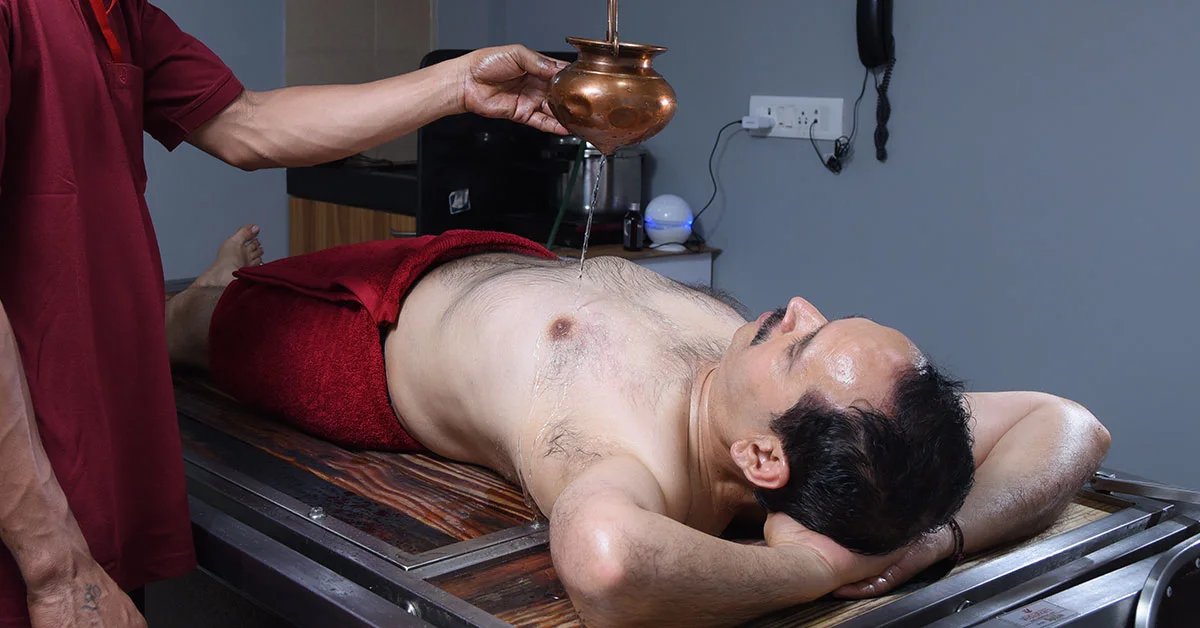
Basti can also refer to administration through the rectal route within classical Panchakarma. That is a distinct intervention with different selection, preparation and precautions. Ask the practitioner to describe the route and method in ordinary language. A photograph of a chest stream does not demonstrate an oil-retention ring, and neither image explains a rectal procedure. Keeping these distinctions clear is an important part of informed consent.
What an external chest-stream procedure means
In a Dhara description, a clinician-selected liquid is applied as a controlled stream over a chosen external area. The method, preparation and proposed purpose should be explained before the session. This guide introduces the idea; it does not provide a recipe, temperature, duration or instruction for carrying it out at home.
A patient may reasonably want to know what the session feels like, how privacy is maintained and who monitors comfort. The practitioner should explain these practical points without implying that a substance placed on the chest directly reaches coronary plaque or repairs heart muscle. An external application is experienced through the skin and treatment setting; claims about effects inside the cardiovascular system require specific evidence rather than an appealing name.

What external Hrid Basti means
External Hrid Basti is commonly described as local retention of a selected oil or preparation within a boundary on the chest area. It differs from a flowing Dhara application. The description should identify which method is actually proposed, how the area is selected and what supervision is required. A ring-shaped setup is not, by itself, evidence of a particular clinical benefit.
Before agreeing, ask about the material that contacts the skin, the selected preparation, positioning and how you can stop the session. Tell the team about rashes, wounds, recent surgery, altered sensation and allergies. An intervention may be external and still require careful assessment. It should not be treated as automatically harmless or necessary simply because it is part of an Ayurvedic programme.
The traditional rationale should be explained as such
Ayurvedic descriptions may discuss Hridaya, Hridroga, Dosha and related concepts when explaining a heart-focused care approach. These terms belong to the traditional framework. They can help communicate the practitioner's reasoning, but they should not be treated as exact substitutes for coronary anatomy, heart failure classification or a modern diagnostic test.
Ask what the traditional explanation means for your specific concern and which recommendation follows from it. A programme may combine several interventions, nutrition advice and routine changes. That does not establish that every component is necessary for every person or that one procedure produces all the programme's reported effects. A clear explanation can respect traditional practice while distinguishing theory, clinical experience and direct research evidence.
Understand your cardiac diagnosis before choosing supportive care
People seek heart-related care for very different reasons: prevention, a previous heart attack, a coronary report, a rhythm problem, breathlessness or recovery after a procedure. These situations are not interchangeable. The relevant next step depends on symptoms, history, examination and the cardiac team's assessment rather than the percentage on one report alone.
Bring the diagnosis and advice you have already received. If an angioplasty, bypass operation, admission or another intervention has been recommended, discuss that plan with the responsible cardiologist. An Ayurvedic consultation may help you ask questions and consider supportive options, but it should not create a competing promise that makes necessary treatment seem optional. A stable person considering relaxation support needs a different discussion from someone with new or worsening symptoms.
New chest symptoms should not wait for a therapy appointment
New or severe chest pressure or pain, severe breathlessness, fainting or symptoms suggesting a stroke require urgent medical attention. Do not assume discomfort is only muscular, digestive or stress-related because you have felt something similar before. The appropriate response depends on the current symptoms, and a routine clinic enquiry is not an emergency assessment.
An external chest therapy should not be used as a test of whether pain is cardiac. Temporary comfort does not rule out a serious problem. If symptoms appear during a session, tell staff immediately and obtain the appropriate level of care. Do not continue simply to finish a scheduled treatment or interpret a concerning symptom as proof that the procedure is working.
What the assessment needs to include
Tell the clinician about heart conditions, previous admissions, procedures, blood-pressure concerns, diabetes, kidney disease and other relevant diagnoses. Explain current symptoms, activity limits and recent changes. Bring available cardiac reports and prescriptions rather than arranging additional tests solely because a therapy is advertised.
The clinician should decide whether further information or specialist clearance is appropriate. A normal finding on one test does not answer every question about heart health. Ask what the assessment is intended to establish and who is responsible for interpreting any new result. Local availability of investigations and procedures should be confirmed directly; an educational page is not proof that every cardiac service is performed at the clinic.
Keep necessary medicines and specialist follow-up in place
Cardiac treatment may include medicines that address symptoms or reduce future risk, and some are particularly important after a stent or another event. Do not stop, reduce or replace them because you feel better after a supportive session. Any change belongs to the clinician responsible for the prescription, with your current diagnosis and risks in view.
Share all Ayurvedic products, supplements and over-the-counter medicines with the treating team. A complete list helps identify potential interactions and duplicate ingredients. Do not assume that a product is irrelevant because it is described as a tonic or natural support. Coordinated care means the professionals involved understand what you are receiving, why and how any concern will be handled.
What to clarify about a supervised session
Before the session, confirm the method, treatment area and intended purpose. Ask who performs the application, who supervises clinical suitability and how the team monitors comfort. Clothing, draping and privacy should be discussed before positioning. If you need assistance lying down, turning or standing, arrange that at the beginning.
The team should explain what you may notice and how to request a pause. Excessive warmth, burning, dizziness, breathing discomfort or distress should be reported immediately. You should not be encouraged to tolerate a concerning sensation because it is described as therapeutic. The session should remain responsive to your condition rather than follow a rigid sequence regardless of how you feel.
Skin and heat precautions are part of the procedure
Explain allergies, eczema, broken skin, recent skin treatment and reactions to massage oils or topical products. Mention any chest scar, dressing, wound or implanted-device area that may affect the proposed application. The appropriate precautions depend on the actual site and clinical situation, not simply on whether the procedure is described as gentle.
Reduced sensation can make it harder to judge warmth reliably. Diabetes-related nerve problems, previous injury or another neurological condition may be relevant. The clinician should consider whether the application is suitable and how it will be monitored. Absence of discomfort does not by itself establish safety. Materials and positioning should be chosen thoughtfully, with a clear way to stop the procedure if necessary.
Breathing comfort and positioning matter
Some people feel uncomfortable lying flat or remaining in one position. Breathlessness, reflux, pain, restricted mobility or recent surgery can affect what is tolerable. Tell the clinician before a session rather than attempting to endure a position that worsens symptoms. A different arrangement, another intervention or postponement may be appropriate.
Positioning is a practical part of suitability, not a minor detail. If breathing becomes difficult or you feel faint, seek attention immediately. Do not assume that a temporary change in symptoms is a normal response to warmth. The care team needs to understand how your symptoms behave during ordinary activity and rest, and any important change should be considered in the wider medical context.
Prepare without inventing your own restrictions
Ask whether the proposed session requires any specific preparation and obtain instructions that reflect your health and the intervention actually chosen. Do not fast, alter fluids, skip medicines or take additional oils because another patient did so. Such changes can be particularly important for people using glucose-lowering treatment or living with heart or kidney disease.
Bring the information needed for assessment: prescriptions, available reports, allergies and questions. Confirm practical arrangements, the expected visit time and whether assistance is useful. A routine external therapy appointment should not become a reason to delay assessment of a changing cardiac symptom. If you are unwell before the visit, contact the appropriate clinical service rather than assuming the planned session will address the problem.
Nutrition support belongs to the overall diagnosis
A heart-health discussion may include food patterns, salt, weight-related concerns and how meals fit with medicines and daily life. Advice should be tailored to the diagnosis and any existing clinical instructions. For example, someone with kidney disease or a clinician-prescribed fluid plan may need different guidance from another person attending a preventive consultation.
A practical nutrition plan can work with familiar foods, preferences and household routines. It should not promise that a particular food, herbal drink or cleanse will clear a blockage. Avoid making abrupt restrictions or taking supplements to compensate for prescribed treatment. Ask which changes are relevant, how nutritional adequacy will be maintained and who will review the plan if appetite, weight or symptoms change.
Activity and rehabilitation need an appropriate plan
Physical activity may be an important part of ongoing cardiovascular care, but the starting point and limits depend on the individual. Explain current ability, symptoms and advice from the cardiac team. Do not begin a strenuous exercise challenge or interpret temporary relaxation after a therapy as clearance for unrestricted exertion.
After a cardiac event or procedure, ask about eligibility for appropriate cardiac rehabilitation and supervised recovery guidance. An external application is not a substitute for that process. A useful plan connects activity, medicines, nutrition and follow-up rather than relying on one therapy to address every aspect of health. If symptoms change with activity, describe them promptly and follow the appropriate medical advice.
What a research reference can and cannot establish
Network programme descriptions can identify terminology and the components a provider discusses. They do not establish that every advertised mechanism is proven or that outcomes apply to the Pimpri clinic. A study of a combined programme also cannot automatically identify the contribution of an external chest procedure when diet, activity and other care changed at the same time.
When reviewing evidence, ask about the condition studied, the comparison, number of participants, outcomes and follow-up. Symptom comfort, exercise measures, laboratory changes and surgery avoidance are different outcomes. A positive observation should not be rewritten as a guarantee of plaque removal, restored heart muscle or freedom from future events. Individual suitability and results remain clinical questions even when a programme has published research.
Choose a meaningful and realistic goal
If a clinician considers supportive external care appropriate, identify the purpose in your plan. A person may value comfort, relaxation or a structured opportunity to discuss routines. Those experiences can be acknowledged without implying that a coronary lesion has disappeared. The goal should be specific enough to review and modest enough to reflect the available evidence.
Consider the original concern, daily function and any relevant clinical measures together. If several treatments are being used, describe what changed and when. Do not treat one comfortable session as evidence that a cardiology recommendation is no longer necessary. A useful review can recognize benefit, uncertainty and limits at the same time, and can lead to changing or stopping an intervention when it is not helpful.
Plan review and know who owns each decision
Before starting, clarify who will review the response, what information to record and how the Ayurveda and cardiac teams will coordinate when needed. Medicine changes, interpretation of a cardiac investigation and decisions about a procedure may belong to different responsible clinicians. The roles should be understandable rather than left for the patient to infer.
At review, discuss both positive and unwanted effects, including skin symptoms, dizziness, new discomfort or difficulty following the plan. An intervention should not continue indefinitely simply because it is part of a named course. If your symptoms change, the initial assessment may need reconsideration. Agree on when routine contact is suitable and when urgent hospital care is the appropriate next step.
Understand the commitment before agreeing
Ask what the fee covers, whether assessment and follow-up are included and whether any additional service is arranged separately. Confirm whether the proposal is for one session or a course and how it can be changed if unsuitable. A programme name does not explain these operational details or establish that all network components are offered locally.
Consent should cover the actual method, expected experience, relevant risks, alternatives and uncertainty. You can request time to consider the recommendation or discuss it with another treating clinician. A responsible explanation should not rely on fear of surgery or pressure to buy a package. Choosing supportive care should be an informed decision within an appropriate medical plan, not a reason to abandon proven treatment.
Respectful care includes privacy and accurate photographs
Chest-region procedures require a clear discussion of draping, staff involvement and personal comfort. Explain any preference or concern before the session. Ask whether a chaperone or assistance is available when needed. You should understand which area needs access and should not be made uncomfortable by unnecessary exposure.
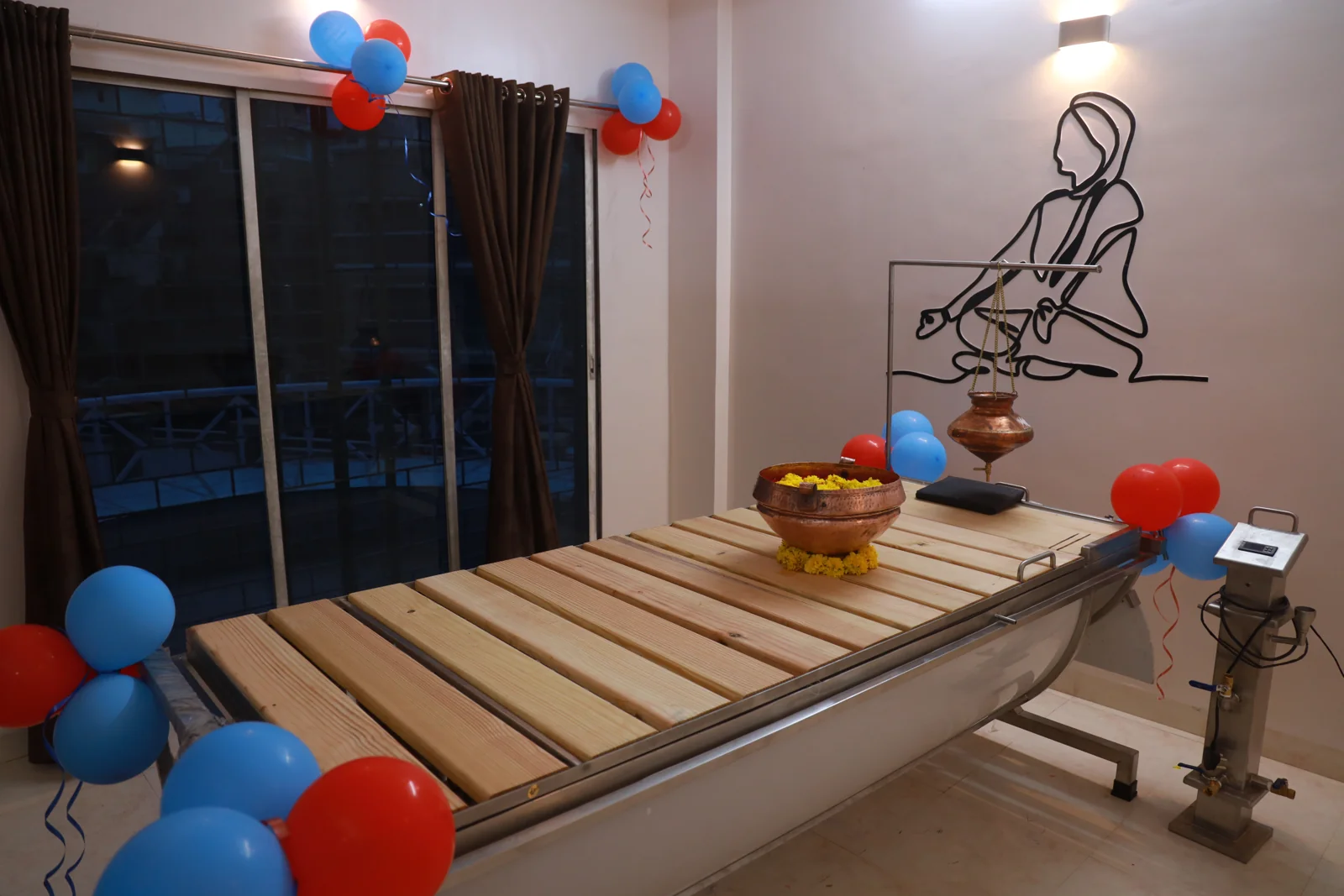
A treatment photograph on a website is a visual reference, not evidence that it shows the Pimpri clinic or predicts your result. Do not assume the identity, diagnosis or outcome of a person in an image. Any photograph of your own care requires a separate, informed permission process; agreeing to treatment should not mean agreeing to marketing use. Accurate imagery helps explain the procedure without replacing consent or clinical evidence.
Arrange a clear next step at Madhavbaug Pimpri Pune
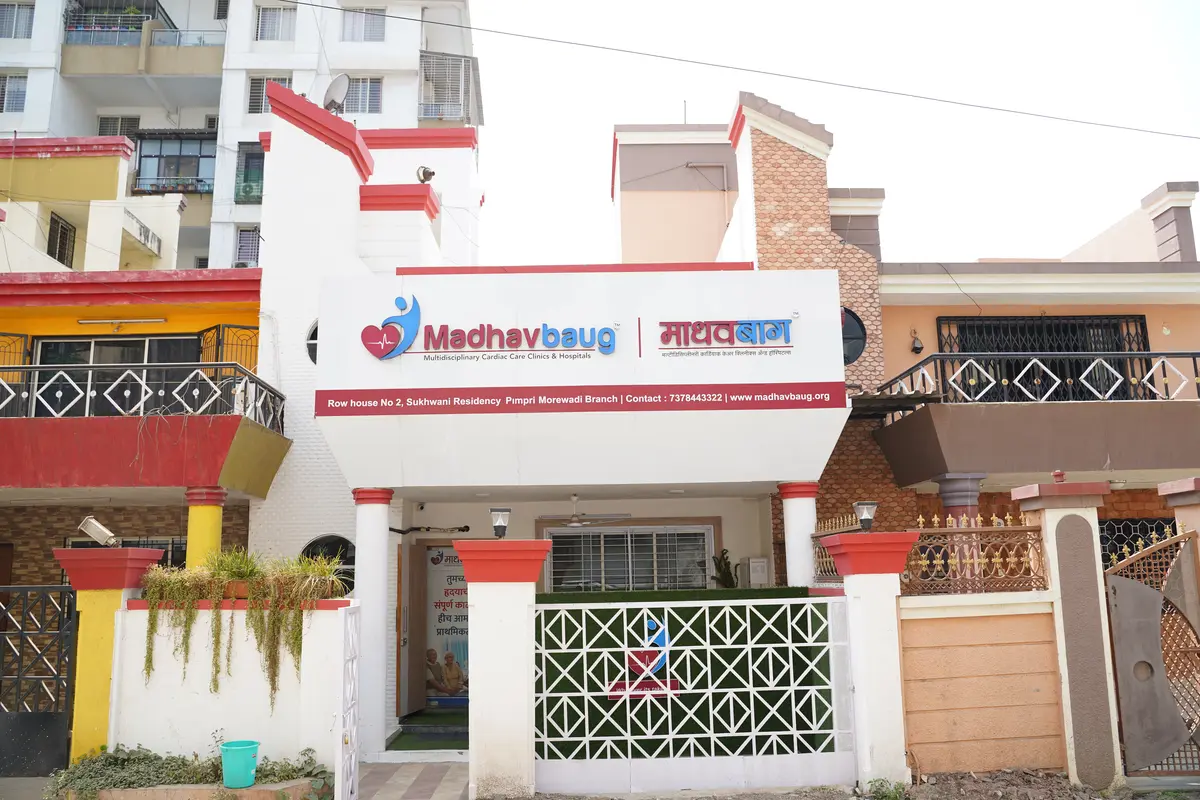
For a routine enquiry, ask whether Hridya Dhara or external Hrid Basti is currently available, the exact procedure name and who assesses suitability. Bring your medical history, current medicines, cardiac advice and existing reports. The clinic should confirm preparation, fees and follow-up before you travel or commit to a programme.
The appointment may lead to a discussion of supportive care, a request for further information or referral to another level of care. This guide does not confirm a local protocol or clinically approve a procedure for you. Continue the cardiac plan already advised unless the responsible clinician changes it. For new chest pain, severe breathlessness, fainting or stroke symptoms, seek emergency medical care rather than using routine booking or messaging channels.