What Potali, Potli and Pinda mean
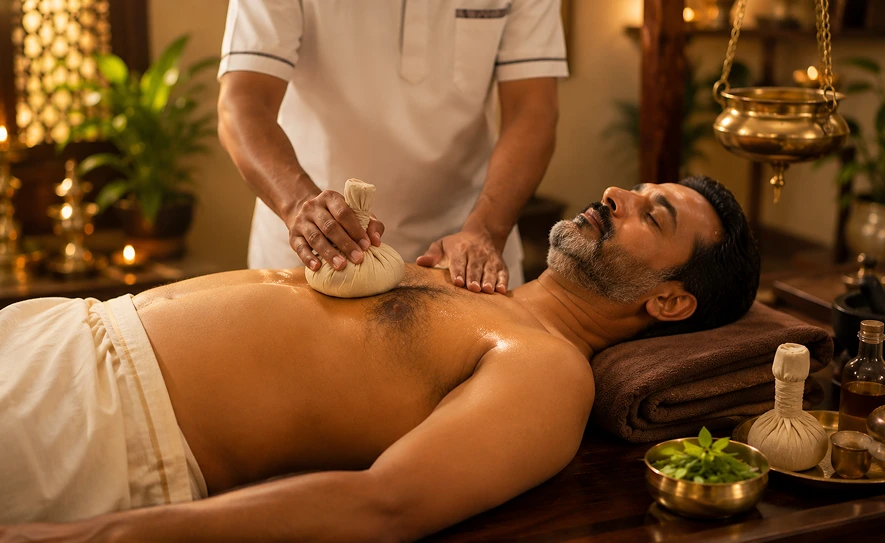
Potali, often written Potli, refers to a small bundle, while Pinda refers to a compact preparation or bolus. Swedana describes fomentation. In a clinical discussion, these terms point toward a family of methods rather than one identical product. A prepared bundle may be used to apply warmth and controlled contact to a selected area under professional supervision.
The names alone do not tell you which ingredients are used, how the application is performed or why it has been suggested. Ask for the exact name and a clear explanation. A photograph of cloth bundles can be useful for understanding appearance, but it cannot establish a treatment protocol, prove an outcome or show that the same procedure is available at a particular clinic.
Common named forms and why the distinction matters
You may hear names such as Patra Pinda Sweda for leaf-related preparations, Churna Pinda Sweda for powder-related forms or Shashtika Shali Pinda Sweda for a rice-based preparation. Regional names can differ. These labels are useful clues about the form, not directions for making a bundle at home or choosing ingredients yourself.
Different preparations should not be treated as interchangeable because they look similar when wrapped in cloth. Their proposed purpose, handling and precautions can differ. Ask which version is being considered and whether the explanation is based on traditional reasoning, research relevant to your condition or professional experience. A long list of options is less useful than understanding the one that has actually been suggested for you.

Its relationship with other Ayurvedic procedures
Pinda Swedana is commonly discussed among allied Ayurvedic procedures or within a broader care plan. It may be combined with external oil application, but that does not make it identical to Abhyanga. Bundle-based contact delivers warmth and pressure in a different way from ordinary hand massage. Each component of a combined session needs an explanation.
Similarly, a bundle procedure is different from directed steam in Nadi Swedana and from broader steam exposure. Do not transfer instructions or expectations between these methods without clarification. If the clinician proposes several procedures, ask what each is intended to contribute, whether all are necessary and how the overall response will be reviewed. A combined package should not obscure the individual decisions involved.
Traditional purpose and a realistic patient goal
Within Ayurveda, bundle fomentation may be discussed in relation to stiffness, discomfort or an assessed pattern. A practitioner can explain that rationale in the context of your symptoms and health. Traditional concepts are part of the explanation; they should not be presented as laboratory proof that a bundle removes a specific toxin or repairs damaged tissue.
A useful goal might concern comfort during a daily activity or support within a wider rehabilitation plan. That is different from a promise to regenerate cartilage, cure every form of arthritis or eliminate the need for necessary medicines. Explain what matters most to you, then ask how the proposed procedure could reasonably fit that goal and what uncertainties remain.
Describe the symptom before selecting the procedure
Explain where the problem is, when it began and what makes it better or worse. Tell the clinician about injuries, swelling, morning stiffness, changes in strength or sensation and the activities you find difficult. A symptom that has appeared suddenly deserves a different conversation from a stable concern already assessed by a treating professional.
Do not assume every painful area is a suitable target for heat and pressure. A hot swollen joint, recent injury, fever or unexplained limb swelling can require another assessment first. If the clinician recommends medical evaluation or a different approach, that decision should take priority over the expectation of having a named therapy because you saw an appealing image or booked a package.
What assessment should make clear
The assessment should connect your concern with an understandable plan. It may include examination, review of existing reports and consideration of other medical conditions. The clinician should decide whether a diagnosis is sufficiently clear and whether specialist input or another investigation is needed before a hands-on procedure is considered.
Bring information that already exists rather than arranging tests solely because you plan to ask about bundle therapy. If a new investigation is suggested, ask what question it addresses and how the result would alter the plan. A traditional procedure name cannot replace a diagnosis, and a scan label cannot automatically determine which preparation or course is suitable. The decision should consider symptoms, function and your overall health.
Materials, allergies and previous reactions
Ask what is in the proposed preparation and what will contact the skin. Different named forms may involve different plant, grain or other materials, and some preparations may include ingredients relevant to an allergy. Explain previous reactions to oils, fragrances, topical products, food-derived materials or dressings. A natural ingredient can still cause a problem.
Do not bring a substitute bundle, add an essential oil or request an online recipe without clinical review. The team should be able to identify the preparation rather than referring vaguely to herbs. If itching, burning, swelling or another unexpected skin response develops, report it immediately. Clear product information also helps another clinician understand an adverse event if further assessment is needed.
Warmth and pressure are separate parts of the experience
A bundle can deliver both warmth and physical contact. These need to be considered separately. A preparation that feels pleasantly warm may still apply uncomfortable pressure, while gentle contact can still be too hot for vulnerable skin. Tell the therapist which part of the experience is uncomfortable rather than simply saying the treatment feels strong.
Stronger pressure or greater heat is not a reliable measure of effectiveness. The application should match the diagnosis, treated area and your response. People with fragile bones, bleeding risk, a recent operation or altered sensation may require a different arrangement or another approach. You should not have to tolerate pain to demonstrate that you want the treatment to work.
The outline of a supervised session
Before beginning, the team should confirm the method, area, materials, draping and positioning. You should know what sensations are expected, who is carrying out the application and who is responsible for clinical oversight. The selected bundle is then used according to the professional plan, with attention to warmth, contact and your response.
This guide deliberately does not provide a preparation recipe, heating instruction or treatment sequence for home use. A photograph cannot show the full safety process. Agree on how to request a pause and report discomfort promptly. If you become dizzy, nauseated, distressed or develop increasing pain, the session may need to stop for reassessment rather than continue to complete a scheduled routine.
Skin condition and reduced sensation
Explain wounds, rashes, active infection, fragile skin, scars and recent procedures in the proposed area. These can change whether local application is appropriate. A painful skin change should not be covered with oil or a bundle before its cause is understood. Tell the clinician if you have had difficulty feeling heat or touch accurately.
Reduced sensation can occur with neuropathy, previous injury or some neurological conditions. In that situation, the absence of pain is not proof that an application is safe. The team needs to decide whether the procedure can be used and how it would be monitored. New redness, blistering or burning should be assessed rather than dismissed as an expected sign that the preparation is active.
The wider health information that matters
Share prescribed medicines, supplements, recent hospital care and restrictions from other clinicians. Blood-thinning medicines, diabetes, pregnancy, significant heart or kidney disease, fainting and recent surgery can be relevant to warmth, pressure or positioning. The clinician needs the actual circumstances rather than a simple yes-or-no checklist detached from your health.
Do not stop a medicine to make a session seem easier or safer. If eating, fluid intake or usual activity is being changed, clarify how that fits your ongoing plan. A person with a stable chronic condition may have a different discussion from someone whose symptoms recently changed. The correct response can be to modify the procedure, choose an alternative or defer it until another concern is addressed.
Positioning, draping and consent
A local bundle application may require access to an area that is usually covered. Discuss draping, clothing and privacy in advance. Tell the team about difficulty lying face down, turning or keeping a limb in one position. Breathing discomfort, neck pain and mobility limitations may affect the arrangement and should not be endured silently.
You can decline treatment of an area or ask to stop. Consent includes understanding what is proposed and feeling able to communicate throughout the visit. Ask whether a support person or assistance can be arranged if needed. A standard procedure should still be explained to the individual, rather than expecting every patient to accept an unfamiliar position or touch without knowing why it is part of the session.
How to interpret evidence for bundle therapy
An institutional list confirms that a named procedure exists within Ayurvedic practice. It does not establish that every advertised use is effective. A study may involve a particular preparation, patient group or combined programme. Those details matter when deciding whether the findings are relevant to your own question.
Ask which outcomes were measured and how meaningful they were. A change in a short-term pain score is different from durable improvement in everyday function, and neither automatically proves structural repair. If several treatments were used together, the contribution of the bundle cannot be assumed. It is possible to discuss a potential supportive role positively while remaining clear that the strength of evidence and likely response vary.
Where joint or muscle concerns fit
People often ask about bundle therapy when movement feels stiff or uncomfortable. The underlying explanation could involve a joint, muscle, tendon, nerve or another problem, and treatment choices should reflect that distinction. A local warming procedure should not be offered as a universal solution for every painful knee, shoulder or back.
For a diagnosed musculoskeletal condition, ask how the proposed session fits with suitable movement, rehabilitation and other prescribed care. A passive procedure should not become a reason to abandon useful strengthening or delay an indicated specialist assessment. Explain what you can do comfortably and what has changed. A care plan is more coherent when every component serves a defined purpose rather than several therapies being added because they are commonly packaged together.
Prepare through a clear plan
Confirm the appointment purpose and any instructions specific to the proposed procedure. Bring relevant reports, your current medicine list and information about allergies or past therapy reactions. If you develop fever, new swelling, an injury or a skin problem before the visit, contact the team and explain the change.
Do not begin a restrictive diet, fasting or cleansing products because bundle therapy appears in a Panchakarma article. Preparation must reflect the actual method and your health. If work, caring duties or travel make a proposed schedule difficult, discuss this rather than trying to force a standard course into an unsuitable routine. A feasible, understandable plan is more useful than one that depends on hiding practical concerns.
After-care and the journey home
After-care should be explained for the preparation and application actually used. Ask about washing the skin, ordinary activity and the next review. If the procedure forms part of a larger clinical plan, clarify which instructions relate to that plan rather than assuming every restriction is required after any warm bundle session.
Tell the team if you feel unsteady, unusually tired or otherwise unwell before leaving. Do not drive while dizzy or make a difficult journey without help if your symptoms limit safe movement. Continue necessary medicines and existing dietary or fluid advice unless the responsible clinician changes it. New or worsening symptoms deserve assessment; they should not automatically be interpreted as a beneficial detox response.
Review what changed in ordinary life
Set a useful reference point before starting. Choose an everyday activity or symptom pattern that matters to you and is reasonable for the diagnosis. At review, explain whether it changed, how long any benefit lasted and whether the session itself was comfortable. A temporary pleasant sensation can be reported honestly without being described as a cure.
Include other influences: exercise, medicines, sleep, workload, natural fluctuation and another treatment may all affect symptoms. The aim is not to prove that one component caused every improvement. It is to decide whether the overall plan is helpful and whether this particular intervention has sufficient value to continue. If it does not, modification or stopping should be a normal option.
Use images to understand, not diagnose
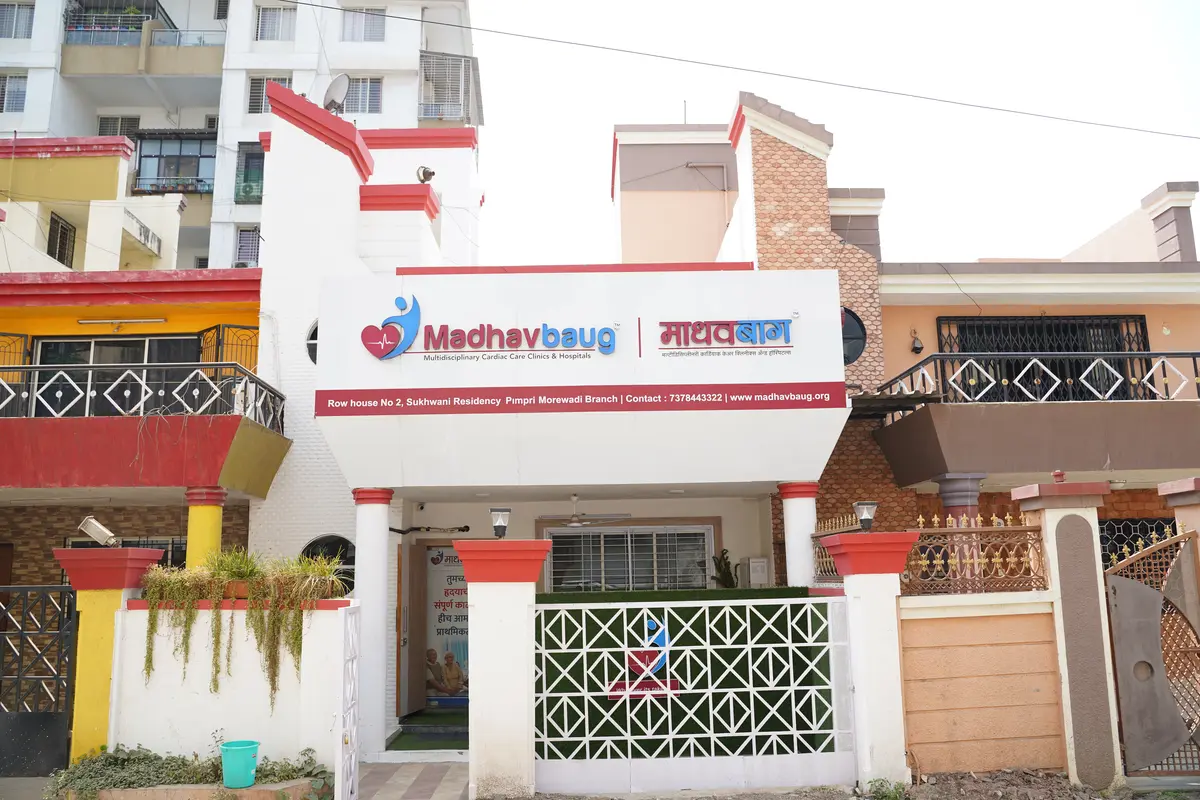
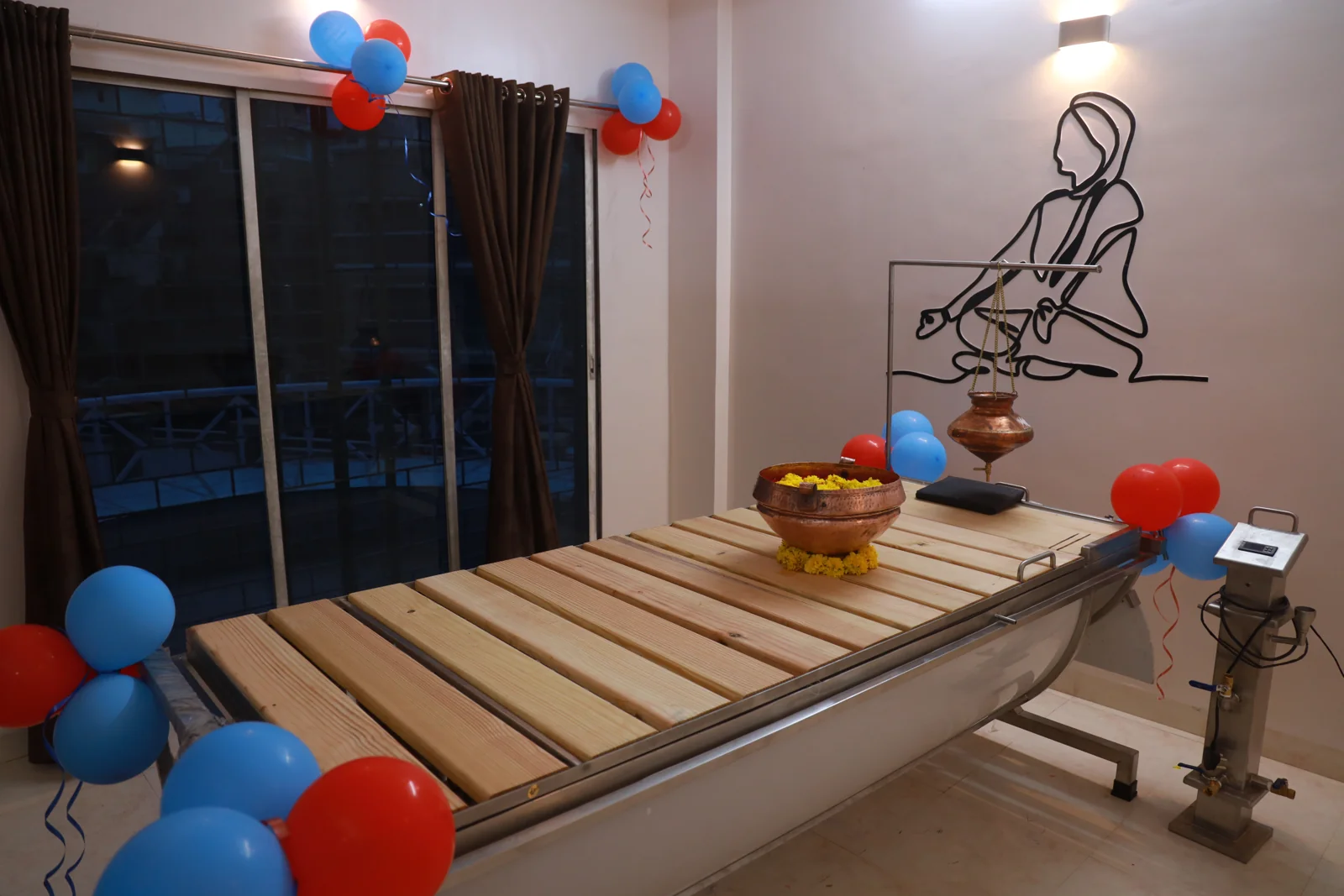
A photograph can show a bundle, the body area and the broad treatment setting. It cannot tell you the ingredients, clinical selection, supervision or result. A representative network photograph is not evidence of a particular patient's outcome or confirmation that the same procedure is performed at Madhavbaug Pimpri Pune.
Images should be matched accurately to their subject. A cloth-bolus application should not be labelled as a steam-tube procedure, and a chest application should not be presented as proof that a cardiac blockage is being removed. Use a photograph to prepare questions about the visible procedure. Do not copy its arrangement at home or assume that the visual appearance explains all the precautions required.
Confirm the clinic arrangements before committing
Ask the clinic which forms of Potali or Pinda Swedana are currently available, how suitability is assessed and who supervises the session. Clarify whether the next appointment is a consultation or a treatment visit. An educational page and an open booking link do not together establish that a particular procedure has been prescribed or scheduled.
Discuss fees, the proposed review point and what happens if care is delayed or stopped for clinical reasons. Another institution's charge list is not the local tariff. A programme described by a network should not be assumed identical at every location without confirmation. Clear local information supports a practical decision while keeping the general guide separate from an individual recommendation.
Translate a symptom goal into a practical task
A useful goal often comes from work or family life: reaching a shelf, standing through a manageable task, walking to a nearby shop or turning comfortably in bed. Describe the task, what currently limits it and whether the difficulty is pain, weakness, stiffness or fear of movement. Those experiences are not identical and may call for different support.
Review the same practical task rather than searching for a dramatic before-and-after moment. If the activity becomes easier, discuss how much that matters and whether the change persists. If it does not, explain this openly. A realistic assessment can recognise the value of comfort while still deciding that rehabilitation, another treatment or further investigation deserves greater attention in the overall plan.