A family of procedures rather than one treatment
Swedana is commonly translated as sudation or fomentation. For a patient, the useful meaning is a controlled application of warmth through a named method. The word can cover different arrangements, and it does not tell you whether the session uses steam, a warmed bundle or another selected approach. The clinician should identify the exact method and body region.
This matters because a small local application and a broader heat exposure are not interchangeable. They may feel different, place different demands on the person and require different precautions. A photograph of a steam cabinet cannot explain a local bundle procedure. Before deciding, ask what is proposed, why that form is relevant and how the response will be observed. The name alone is not a personal prescription.
Traditional purpose and modern interpretation
Within Ayurveda, Swedana may be discussed in relation to qualities such as stiffness, heaviness or coldness and to the person's assessed pattern. It may also form part of preparation around other selected procedures. These explanations can help a patient understand the traditional reasoning behind a recommendation. They should be presented as that framework rather than as a laboratory finding.
Warmth should not be described as melting body fat, opening blocked arteries or drawing all disease out through the skin. Sweat is not a measurement of whether a chronic condition has improved. A useful explanation links the proposed session to a realistic goal, such as comfort during a broader management plan, and separates that goal from claims that would require direct clinical evidence.
Understand the main forms you may hear about
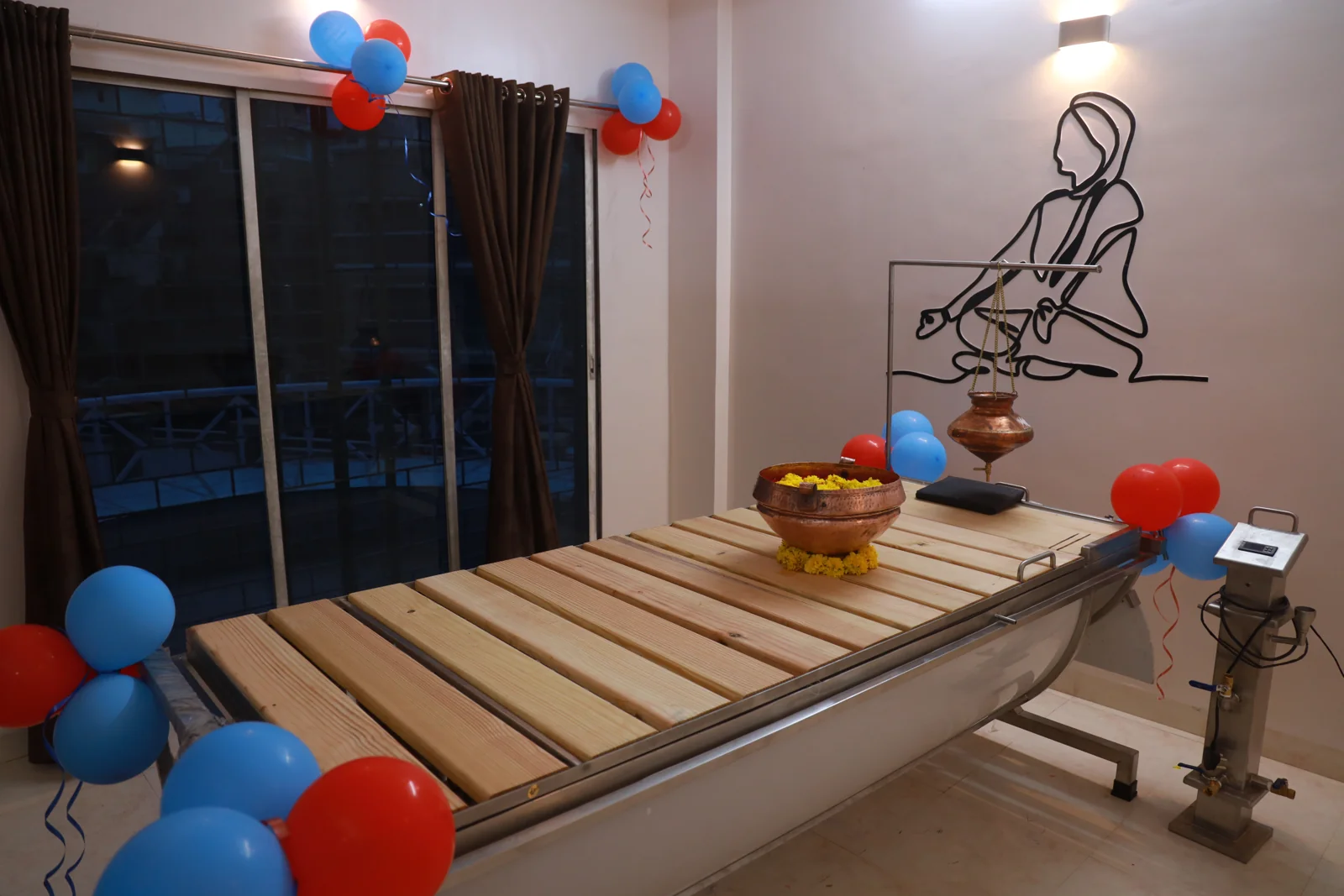
Names used in practice can include steam-based approaches, Nadi Swedana with a directed local steam application and Pinda Swedana using prepared bundles. Different preparations and regional terms may also be used. These distinctions concern the method of delivering warmth, not a hierarchy in which the most elaborate option is always best.
Ask whether the proposed procedure treats one area or several regions and whether it is combined with oil application or another intervention. A combined session needs an explanation of each component. Do not assume that instructions, benefits or precautions from one form apply to all the others. When terminology is unfamiliar, a plain description of the actual visit is more useful than a long list of names.
Why a person may ask about Swedana
People may be interested in warmth for a sense of comfort, stiffness or a recommendation made during an Ayurvedic consultation. Others ask about it after seeing a programme described online. Begin with the concern itself. Explain the affected area, the pattern of symptoms, changes over time and the ordinary activity you find difficult.
Not all painful or stiff areas should be warmed. A new injury, an acutely inflamed joint or unexplained swelling can need a different assessment. The clinician may suggest a modified plan, another approach or no heat-based intervention. An individual decision should not be replaced by the assumption that every person with the same symptom needs the same sequence of massage and steam.
Information that affects heat tolerance
Tell the clinician about fainting, dizziness, difficulty tolerating hot environments, previous reactions to heat and any reduced skin sensation. Mention heart, kidney or neurological conditions, diabetes, pregnancy, recent surgery and acute illness. Include medicines and supplements, particularly anything that affects blood pressure, alertness or fluid balance.
These details do not establish a universal rule for every person with a named condition. They allow the responsible professional to decide whether a procedure should be avoided, modified or delayed. The ability to tolerate an ordinary warm day does not necessarily predict tolerance of a treatment setup. Explain what happens to you in heat rather than assuming the team can infer it from your age or appearance.
Assessment before a warming procedure
An assessment should help clarify the symptom and whether a medical diagnosis, further examination or specialist opinion is needed. If pain is new, severe or associated with fever, swelling, weakness or an injury, that context matters before local heat is considered. A procedure is not a substitute for investigating a concerning change.
Bring reports and advice you already have. New tests should answer a clinical question rather than form an automatic package for everyone requesting Swedana. Ask what information is being sought and how it would alter the plan. You should be able to distinguish a review appointment from a scheduled procedure and understand whether any further decision is needed before treatment can go ahead.
What a supervised encounter may involve
The team should explain the selected method, treated area, positioning, privacy and expected sensations. Depending on the form, warmth may be applied to a local region or a wider area. The operator should remain attentive to the person's comfort and response. This description is intended to explain a professional visit, not provide a recipe or setup for home treatment.
Agree on a clear way to ask for a pause or stop. Report discomfort as soon as it appears, including burning, nausea, faintness, a racing heart or difficulty breathing. You do not need to wait until a session ends. A planned sequence should be interrupted when the person's condition requires it; completing a fixed time is not more important than reassessment.
More sweat is not a better result
Sweating varies between people and with the surroundings, method and current health. It is not a score of treatment quality. Producing large amounts of sweat does not show that fat, cholesterol or a particular disease has left the body. A change on the weighing scale after sweating may reflect fluid loss rather than a lasting change in body composition.
The useful questions concern tolerance, the intended symptom or function and the overall plan. Do not increase exposure or seek a more intense session because you believe the first one did not produce enough sweat. If you feel weak or unwell, say so. A responsible response may involve stopping or changing the approach rather than encouraging you to push through a supposed cleansing reaction.
Skin health and sensation need attention
Heat reaches the skin before it can influence the experience of a deeper region. An open wound, active rash, infection, recent skin treatment or a patch of altered sensation can therefore change the safety discussion. Explain these issues even if they seem separate from the joint or muscle concern that brought you to the clinic.
Reduced sensation can make it harder to recognise excessive warmth promptly. This may occur with neuropathy or after some injuries and neurological conditions. The team should not rely only on the absence of pain as reassurance. Any burning, new redness, blistering or unusual skin discomfort warrants attention. Do not place an unreviewed heating product over the same area after the session because you assume additional warmth will improve the result.
Discuss cardiovascular and fluid-related concerns
A person with a heart or kidney condition may already follow advice about fluid, medicines and activity. Share those instructions before a heat-based procedure is planned. The team should consider the actual diagnosis and stability rather than treating a warm application as universally suitable because it is external. Recent hospital treatment or a change in symptoms is especially important to mention.
Do not stop blood-pressure medicines, water tablets or other prescribed treatment to attend a session. Likewise, do not override a fluid restriction with generic advice to drink large amounts. If the proposed preparation conflicts with existing instructions, obtain coordinated clarification. New chest pain, severe breathlessness or fainting belongs on an urgent medical pathway, not in a routine discussion about which heat therapy to choose.
Positioning, mobility and the treatment setting
The ability to remain in a position comfortably is part of suitability. Tell staff if you have trouble lying down, sitting enclosed, turning or getting on and off a treatment surface. Breathlessness, claustrophobia, abdominal discomfort and limited mobility can affect the arrangement. A modification or alternative may be more appropriate than trying to endure distress.
Ask what assistance is available and who will be present. You should be able to communicate with the operator and understand how the procedure is being monitored. The appearance of a device or the amount of equipment in a photograph does not establish safe practice. Clear explanation, appropriate supervision and attention to your response are more relevant than an impressive-looking setup.
Read claims about benefit in context
Institutional descriptions show that Swedana is used within Ayurvedic practice, but a service list is not a trial proving every advertised benefit. Research may examine a combined programme, a particular diagnosis or a specific method. The result cannot automatically be transferred to all forms of heat exposure or every patient with a similar symptom.
Ask what outcome was studied and whether it matters to your own goal. Short-term comfort, pain ratings, walking ability and changes in a disease are different outcomes. Improvement during a combined plan may involve exercise, medicines, natural fluctuation or other care. A positive experience can be valuable without being presented as proof that the procedure repairs tissue, eliminates metabolic disease or replaces established treatment.
Fit warmth around active management
If the concern is musculoskeletal, the wider plan may include suitable movement, strengthening, rehabilitation or medical treatment. Warmth should not become a reason to wait indefinitely before returning to appropriate activity. Explain existing physiotherapy advice and ask how any proposed session would fit around it.
The balance between rest and activity depends on the diagnosis and stage of recovery. A temporary feeling of ease does not mean that every demanding task is suddenly safe, and persistent discomfort does not always mean complete inactivity is needed. An individual professional plan is more useful than treating a warming procedure as either a complete solution or something that has no possible supportive role.
Prepare without copying an internet regimen
Confirm the method and any individual instructions before attending. Bring your medicine list, relevant reports and information about previous heat intolerance. If you have developed fever, a new rash, unexplained swelling or an acute illness, contact the team rather than assuming the planned session must continue unchanged.
Do not start fasting, restrict fluids or add laxatives because a general article connects Swedana with Panchakarma. Those actions may be unsuitable and can affect your condition before the appointment. If work, travel or caring responsibilities make the proposed arrangements difficult, explain that early. Preparation should be feasible and clinically appropriate, not a test of how much discomfort you are prepared to accept.
After the session: ordinary activities and review
Obtain after-care instructions that match the actual application and your medical circumstances. Ask about ordinary activity, washing, travel and the next review. A local warming procedure and a broader heat exposure may have different practical implications. There is no universal rule that everyone needs a restrictive diet or prolonged bed rest afterwards.
Take time to feel steady before leaving. If you are dizzy, weak or otherwise unwell, tell the team instead of driving or travelling independently. Follow existing medical advice about medicines and fluids unless the responsible clinician changes it. An unexpected symptom should be assessed on its merits rather than automatically explained as proof that a detox process is working.
Agree on a meaningful review point
Before a course is considered, decide what would count as useful improvement. That might be a more comfortable movement, an easier daily task or a supportive care experience during another treatment plan. The goal should be realistic and relevant to the diagnosis. A promise that every person will feel transformed after a fixed number of sessions is not an appropriate review standard.
At follow-up, discuss duration of benefit, function and any adverse effects. Include other changes that occurred, such as exercise, medicines or workload. If the procedure is not helping enough, reassessment may lead to modification or discontinuation. Extending a course automatically is less useful than returning to the reason it was proposed and asking whether it still serves that purpose.
Materials, hygiene and explanation
Some forms use a vessel or steam-delivery equipment; others involve bundles or contact materials. Ask what will touch the skin and whether any preparation contains an ingredient that has caused you problems before. The team should be able to identify the method and explain how the arrangement is kept suitable for patient use.
A photograph does not reveal cleaning, supervision or the professional plan. Do not assume that copying its visible equipment reproduces the procedure safely. Similarly, a local service should not borrow another institution's standards, outcomes or accreditation merely because the same therapy name is used. Confirm the actual arrangements at the clinic and distinguish an educational image from documentation of its own facilities.
Alternatives and the option not to proceed
An informed decision includes considering alternatives. Depending on the concern, these could include another form of supportive care, an active rehabilitation plan, medical review or no procedure at that time. Ask what you might gain, what remains uncertain and what practical commitment the option involves. You do not have to accept a bundled sequence simply because it is offered together.
You can request time to think, another explanation or a second opinion. If a session is declined because the clinician considers it unsuitable, ask for a clear next step rather than trying to obtain a more intense version elsewhere. The aim is to choose care that fits the person, not to complete every procedure associated with a traditional programme.
Local availability and the appointment decision
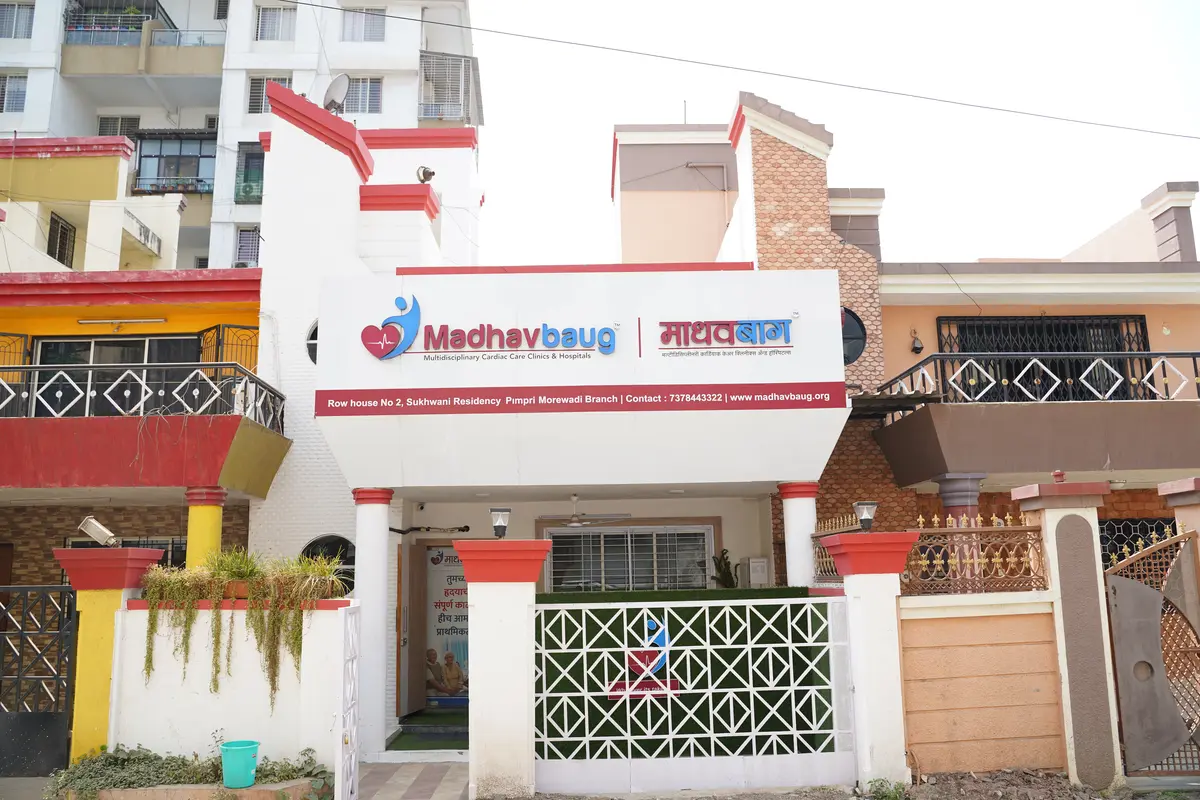
This educational guide does not independently confirm every form of Swedana at Madhavbaug Pimpri Pune. Contact the clinic to ask which methods are currently available, who assesses suitability and what the visit includes. Confirm the duration and fees directly rather than using another hospital's tariff or a network-level programme description.
Opening a booking page does not prove that a particular procedure has been prescribed or that an appointment is confirmed. Clarify whether the next visit is for consultation, review or treatment. If another clinician has advised a restriction or investigation, bring that information. Keeping the appointment purpose clear helps avoid an unsuitable expectation that a procedure will automatically take place on arrival.
Consider the whole day, including travel
The treatment session is only one part of your day. Tell the team if reaching the clinic involves a long journey, demanding physical work or exposure to a hot environment. A person who already feels overheated, poorly nourished or unwell should not assume that a prebooked heat procedure must go ahead. The clinician can reassess the plan in light of the situation that day.
Ask how to fit the appointment around practical responsibilities without creating unnecessary restrictions. If you need a support person, mobility assistance or time before travelling home, arrange this in advance. Do not drive while light-headed or remain silent about feeling unwell because transport is waiting. An organised visit makes room for assessment and a change of plan rather than treating the booking as an obligation to finish a procedure.
A hot swollen joint is not ordinary stiffness
A joint that has suddenly become painful, swollen and hot needs appropriate assessment, particularly when fever or feeling generally unwell accompanies it. Do not assume the explanation is a familiar chronic joint condition. A new injury or another acute problem may also change the treatment pathway. Applying warmth or massage before the cause is considered can delay more appropriate help.
Describe the onset, any recent illness or injury and whether you can move or bear weight. If urgent care is advised, follow that route rather than waiting for a routine therapy slot. A general warming guide cannot distinguish the causes remotely. Recognising this limit supports timely care while leaving room for individually suitable supportive procedures when the acute concern has been appropriately assessed.