What Basti means in everyday language
The word Basti can be confusing because it is used in several Ayurvedic treatment names. In the context of classical Panchakarma, it commonly describes a procedure using the rectal route. The preparation, intended purpose and professional plan can differ between forms. Hearing the word does not tell a patient everything they need to know. Ask for the exact name and a description in a language you understand before agreeing to treatment.
Kati Basti, Manya Basti and Janu Basti are external oil-retention procedures over selected areas of the body. They are not rectal enemas. Uttar Basti is another distinct term used in specialist contexts and must not be assumed to mean the same intervention. A booking enquiry should therefore identify the procedure clearly. Similar names do not establish similar effects, risks, professional requirements or suitability.
Its traditional place within Ayurveda
Ayurvedic descriptions give Basti an important place within Panchakarma and frequently discuss it in relation to Vata. This is a traditional clinical framework, involving interpretation of symptoms, constitution, digestion and other findings. It is not the same thing as a laboratory result. A practitioner should explain how traditional reasoning relates to the concern being assessed without suggesting that a dosha label replaces a modern diagnosis.
A useful conversation connects that reasoning with a patient-centred goal. Someone may want less interference from a symptom, a clearer bowel-management plan or better understanding of a recommendation. Traditional importance alone does not establish that every person needs Basti, that all symptoms have one cause or that a particular preparation will be effective. Individual selection and honest discussion of uncertainty remain essential.
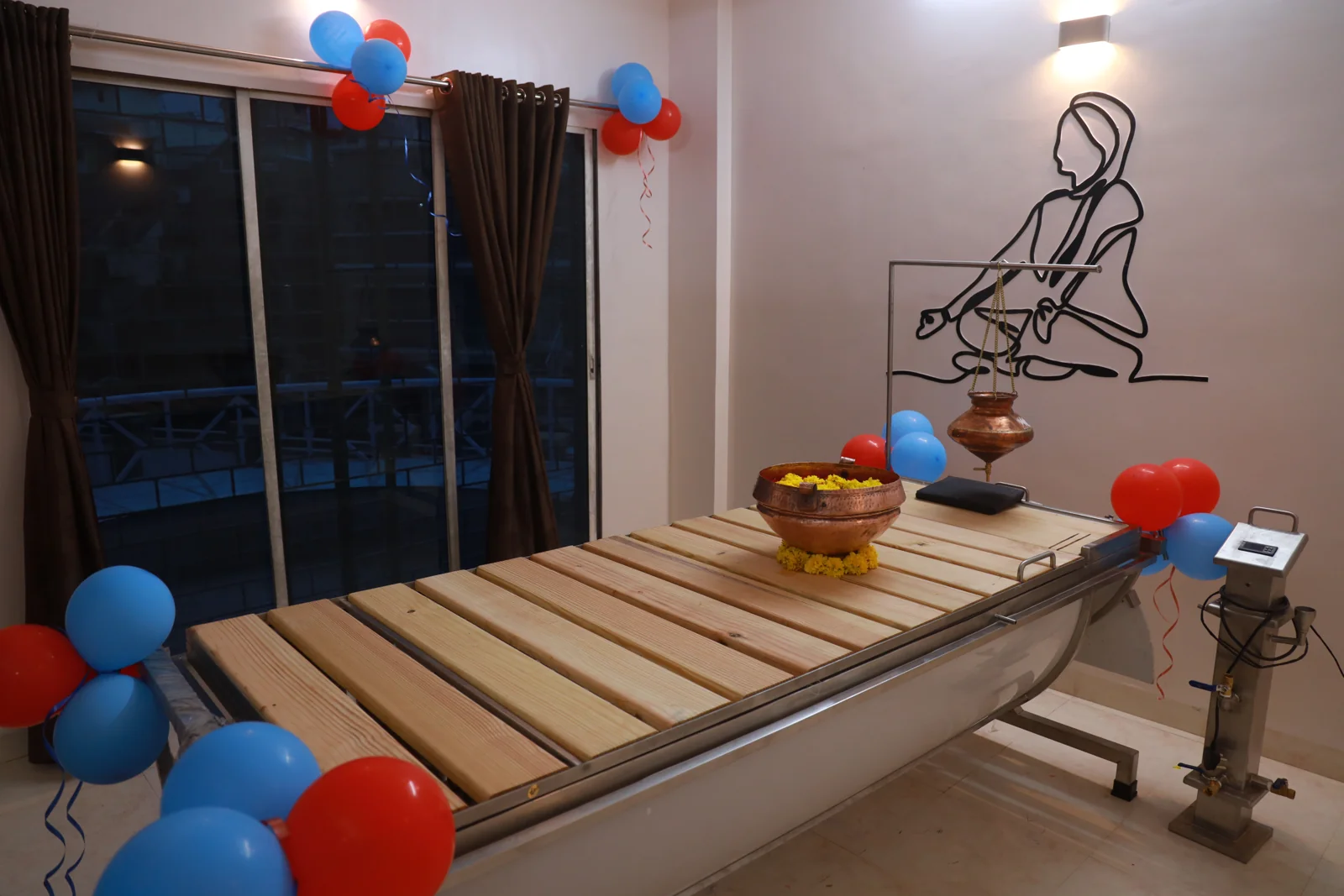
Different forms need different explanations
Names such as Anuvasana, Niruha and Matra Basti may be encountered in Ayurvedic practice. They describe different approaches rather than interchangeable items on a wellness menu. Oil-based and other preparations differ, as may their intended place in a care plan. This guide deliberately does not provide ingredients, quantities, schedules or administration instructions. Those decisions require a qualified professional who has assessed the person and the clinical setting.
Ask which form is being proposed and why another option was not selected. If several procedures are suggested together, request an explanation of each component rather than assuming that the whole package has one combined purpose. The use of a familiar Sanskrit name should make communication clearer, not make a patient feel unable to ask questions. A written summary can help when several terms are introduced during one consultation.
Start with the health concern, not a cleansing package
A symptom should be assessed before a procedure is chosen. Constipation, abdominal discomfort, gas and rectal symptoms can have different explanations. They may relate to everyday routines, medicines, an underlying condition or something requiring further investigation. A treatment advertised for digestive wellbeing should not become a shortcut around that assessment. Describe what is actually happening rather than diagnosing yourself from a web page.
Explain when the symptom began, whether it is changing and what has already been tried. Include bowel-pattern changes, pain, bleeding and any effect on appetite or daily life. If the original concern is not digestive, ask how the proposed rectal procedure is expected to relate to it and what evidence supports that use. The plan should identify a clinical purpose rather than rely on the idea that everybody accumulates unspecified toxins.
What to bring to an assessment
Bring a current list of medicines, supplements and Ayurvedic products, including treatments bought without a prescription. Include products used intermittently, such as laxatives or pain medicines. Previous reports, operation details and advice from another clinician may be useful. You do not need to arrange a new panel of tests simply because you are considering a procedure. Investigations should answer a question arising from your history or examination.
Tell the clinician about pregnancy or the possibility of pregnancy, kidney or heart problems, diabetes, bleeding concerns, bowel disease, recent illness and previous abdominal or rectal surgery. Mention a history of fainting, dehydration or difficulty tolerating medical procedures. These details are not a list that decides eligibility online. They help the responsible clinician determine whether the proposed intervention should be avoided, modified, delayed or assessed in another setting.
Explain bowel symptoms accurately
A short description of your usual bowel pattern is more helpful than simply saying that digestion is weak. Describe changes in frequency, stool consistency, straining, discomfort and the feeling of incomplete emptying. Explain whether symptoms are longstanding or new. Tell the clinician if you alternate between constipation and diarrhoea, if symptoms wake you at night or if you are using several products to manage them.
Blood should not automatically be attributed to piles. An examination or further assessment may be needed to understand the cause. Similarly, severe abdominal pain with vomiting or an inability to pass stool or gas needs urgent medical attention rather than an enema appointment. Do not conceal these symptoms because you have already booked a course or paid for a package. New information can change the appropriate next step.
Understand the intended benefit and the uncertainty
A proposed benefit should be expressed in terms that matter to the individual and can be reviewed. Ask whether the expectation comes from traditional practice, a specific clinical study or professional experience. These are different forms of support. Evidence concerning one preparation or diagnosis cannot automatically be applied to every Basti method or to a person with different health conditions.
A temporary change in bowel emptying is not proof that an underlying disease has been cured. Likewise, improvement during a programme involving diet, medicines, activity and several procedures does not show which component caused the change. This does not make a positive experience meaningless; it means the experience should be interpreted honestly. Avoid decisions based on a guaranteed cure, a fixed outcome date or the promise of stopping necessary medication.

Consent includes the right to decline
Because Basti uses an intimate route of administration, the explanation should be clear and unhurried. Ask what is proposed, who performs it, who supervises and what discomfort or complications may occur. Understand the alternatives, including the option of not having the procedure. Consent is an ongoing agreement, not just a signature obtained after a package has been selected.
You can request a pause, ask another question or withdraw consent. Discuss privacy, draping and whether a chaperone or support person can be arranged. Tell the team if past experiences make an intimate procedure difficult for you. There is no need to disclose personal history beyond what you wish to share, but you should receive respectful communication and a clear way to express concerns throughout the visit.
Professional setting and hygiene
A patient cannot judge a procedure's safety from an attractive photograph or the appearance of equipment alone. Ask how the proposed preparation is identified, how equipment is handled and how hygiene is maintained. The team should be able to explain the professional arrangement without asking you to take technical responsibility for checking the procedure yourself. Questions about training and supervision are reasonable.
The setting should also support assessment and response if a person becomes unwell. Ask whom you should contact during and after the appointment, and how urgent concerns are escalated. A facility's general reputation or an institutional procedure list elsewhere does not establish the arrangements at a particular clinic. Confirm current local availability, professional scope and practical facilities directly before deciding whether to attend.
Preparation must be individual
Preparation can differ according to the form of Basti, the reason for treatment and the person's health. Obtain instructions from the responsible clinician rather than using an online cleansing schedule. Ask about meals, fluids, usual medicines, travel and the time you may need at the clinic. Do not fast, restrict fluids or combine laxatives with the procedure on your own initiative.
People with diabetes, kidney disease, heart conditions or fluid restrictions may need a different discussion from otherwise healthy adults. A general instruction to drink large quantities of water or follow a restrictive diet may be inappropriate for them. Continue prescribed medicines unless the clinician responsible for them has given specific instructions. If advice from different professionals conflicts, seek clarification before the procedure rather than choosing the most convenient instruction.
A supervised visit: the broad sequence
The visit should begin with confirmation of identity, the planned intervention and any change in health since assessment. This includes new symptoms, medicines or an illness that developed after booking. The team should explain positioning, privacy and how you can signal discomfort. The exact procedure is selected and performed by trained professionals; this guide is not an administration manual.
Afterwards, observation and advice should reflect what was actually done and how the person feels. A predetermined course should not override a concerning response. If a symptom occurs during the visit, describe it immediately rather than waiting to see whether it is considered normal. Ask which effects may occur, which are unexpected and what action is recommended. Written aftercare is useful when several instructions must be remembered.
Possible risks deserve a proportionate discussion
Rectal procedures are not risk-free merely because their preparations are described as natural. Discomfort, irritation, bleeding or an adverse response may occur, and the risk depends on the method, preparation, technique and patient. The clinician should consider underlying bowel problems and the person's ability to tolerate the procedure. A previous uneventful session does not remove the need for reassessment when circumstances change.
Severe or increasing pain, significant bleeding, persistent vomiting, faintness or marked weakness should not be treated as evidence that cleansing is working. Seek appropriate medical help according to severity. If you develop unexpected symptoms, provide the procedure name, when it occurred and the preparation details you were given. This information can help another clinician assess the situation without relying on a vague description of having had detox treatment.
Medicines and coordinated care
Continue treatment for established medical conditions unless the responsible prescriber changes it. Basti should not be described as a replacement for necessary diabetes, blood-pressure, cardiac or other medical management. Tell all treating clinicians about Ayurvedic products and procedures so that they can consider interactions, overlapping effects and the timing of monitoring. Natural and conventional treatments can both affect a care plan.
If a proposed procedure is part of a wider programme, clarify who reviews results and who makes medicine decisions. A single improved reading or change in symptoms is not enough to justify stopping medication independently. Someone receiving care from several professionals benefits from one clear summary of the plan. You may ask for the procedure's name and relevant documentation to share with your usual clinician.
Everyday bowel care is a separate conversation
For many bowel concerns, useful discussion includes food patterns, activity, medicines and toilet habits. The appropriate plan depends on the diagnosis. Some people need support with constipation, while others need evaluation of diarrhoea, bleeding or pain. There is no universal digestive diet that fits every individual, and a procedure should not distract from identifying the original problem.
Describe your usual meals, work schedule and access to a toilet if these affect symptoms. Explain previous restrictive diets, supplements or repeated cleansing routines. Changes should be practical and nutritionally adequate rather than built around fear of ordinary foods. If a clinician recommends fibre or fluid changes, ask how to apply that advice within any existing medical restrictions. A web page cannot set the right amount for someone it has not assessed.
Plan recovery around the actual advice
Before leaving, ask when you can resume work, travel, exercise and your usual eating pattern. The answer should relate to the procedure, your response and your medical situation. Do not assume that every Basti session requires the same recovery period, or that feeling well permits you to ignore individual instructions. If you depend on assistance or have a long journey, discuss those needs before the appointment.
Keep the aftercare contact details somewhere accessible. Ask what to do if symptoms begin when the clinic is closed and which situations require urgent medical care. Avoid combining another cleanse, fasting plan or invasive treatment with the recovery period without advice. A plan is easier to follow when it states what you should do, why it matters and how long the recommendation applies.
Review the result without extending treatment automatically
At follow-up, return to the original reason for considering the procedure. Describe any change in symptoms, daily function and tolerance, including effects you found unpleasant. Useful review does not require a positive report to show that you cooperated. If the intervention did not help, reassessment can lead to a different explanation, another type of care or a decision not to continue.
Ask what evidence would support another session and when the course should stop. Repeating an intervention indefinitely because symptoms return is not the same as having a clear long-term plan. Costs, time away from work, travel and personal preference are also relevant. A responsible decision balances possible benefit, uncertainty, burden and alternatives rather than treating completion of a package as the main outcome.
Choosing information and photographs carefully
A procedure photograph can help you understand positioning or the broad setting, but it cannot show whether the intervention is appropriate for you. It does not establish training, hygiene, clinical effectiveness or patient consent. Images and testimonials from another institution should not be presented as results from a local clinic. Ask where the information comes from and whether the described protocol is actually the one proposed.
When reading research, look for the diagnosis, preparation, number of participants, comparison and outcomes measured. Small or uncontrolled reports may suggest questions worth studying without proving that a procedure caused an improvement. A traditional therapy can be discussed respectfully while acknowledging these limitations. Strong claims should require stronger evidence, especially when they could influence decisions about established medical treatment.
Basti, colon irrigation and laxatives are not interchangeable
Several interventions are described online as an enema, colon cleanse or bowel detox. Those labels can hide important differences in route, preparation, purpose and intensity. A clinician-selected Ayurvedic procedure is not automatically equivalent to commercial colon irrigation, an over-the-counter product or the bowel preparation prescribed before an investigation. Evidence or safety advice about one cannot simply be transferred to another.
Tell the clinician about every bowel product or cleansing intervention you are considering, even if it is marketed as a supplement rather than a medicine. Combining methods can make it harder to understand a response and may increase risk. The goal should be appropriate care for the original concern, not achieving a stronger sensation or a larger amount of evacuation. Do not repeat an unsuccessful intervention at greater intensity without review.
Additional considerations for older or vulnerable adults
An older adult, a person with restricted mobility or someone who needs help with daily activities may have different practical needs. Discuss assistance with positioning, toileting, communication and the journey home. Memory difficulties, reduced vision or hearing problems can make a written and clearly explained plan especially useful. A family member can support understanding when the patient wishes, while consent and privacy remain centred on the patient.
Frailty, recent illness or limited ability to report symptoms can change the clinical decision. A routine course advertised for healthy adults should not be applied automatically. The team should consider whether another care setting or a different intervention would be more appropriate. If you are arranging an appointment for someone else, share relevant information and confirm how the clinician will assess the person's own needs and preferences.