What the term Agnikarma means
Agni refers to heat or fire in traditional terminology, while Karma refers to an action or procedure. In clinical descriptions, Agnikarma concerns a controlled thermal technique. The exact method and intended tissue effect depend on the assessed problem and the professional plan. The name does not identify one universal treatment that is suitable for every painful area or every patient.
Ayurveda institutions may describe Agnikarma within Shalya Tantra, a field that includes procedural and surgical practice. This context helps distinguish it from relaxation treatments. A patient should understand whether a proposed intervention may affect the skin or other tissue, what that effect is intended to achieve and what recovery will involve. Calling it traditional does not remove the need for a careful explanation.
It is different from Swedana or a warm compress
Swedana describes a family of fomentation or warming methods. Agnikarma is not simply a stronger version of steam, a heated massage or an ordinary warm application. Different methods have different purposes, tissue effects and risks. A person considering a comfortable warming therapy should not discover during the appointment that a cautery procedure was intended instead.
Confirm the exact intervention before booking or consenting. Do not use photographs of instruments or a video to decide how much heat to apply yourself. This guide provides no temperatures, application points, tools or technique instructions. Recreating a clinical thermal procedure at home can cause injury and delay assessment of the condition that led you to consider it.
Traditional use and modern clinical questions
Traditional practice discusses Agnikarma in selected conditions, including some pain-related concerns. Institutional listings and professional research show that it is a subject of clinical practice and investigation. They do not establish that every advertised use is effective or that a local clinic has the same scope, training or facilities as the institution described.
A useful consultation connects the traditional rationale with a clear diagnosis and a measurable goal. Ask why a thermal procedure is being considered for your particular problem, which alternatives are available and what evidence supports the expectation. The answer should distinguish established findings, uncertainty and clinical experience. A general claim of permanent relief is not an adequate substitute for that discussion.
Pain needs an explanation before a procedure
Pain can arise from different structures and conditions. A painful knee, heel, shoulder or back should not be treated as if the location alone identifies the cause. History and examination help determine whether the symptom relates to injury, joint disease, a nerve problem, an inflammatory condition or another issue. Some situations need imaging, tests or specialist input; others do not.
Describe the pattern and effect on daily life. Explain when the pain began, whether it follows an injury and whether it is improving or worsening. Tell the clinician about swelling, weakness, numbness, fever or a new change in function. A procedure chosen before the diagnosis is reasonably clear can distract from care that better addresses the underlying problem.
Bring the wider medical history
A thermal intervention can have different implications for people with diabetes, reduced skin sensation, circulation problems or difficulties with healing. Mention all relevant conditions and previous skin reactions. Bring details of recent operations, injections or other procedures in the same area. A history of scarring or slow wound healing also belongs in the discussion.
Include medicines, supplements and Ayurvedic products, including those taken only occasionally. Do not decide that a product is irrelevant because it was bought without prescription. Pregnancy, the possibility of pregnancy and a recent illness should also be disclosed. The clinician must consider the whole person rather than use a list of general indications as automatic permission to proceed.
Skin condition and sensation matter
The proposed area should be assessed before treatment. An unexplained rash, wound, infection concern, recent injury or a changing skin lesion may alter the decision. A painful skin problem should not simply be covered, heated or treated as the same thing as a deeper musculoskeletal symptom. If you have noticed a new mark or change, describe it clearly.
Reduced sensation can make it harder to judge discomfort or heat. This may occur with some nerve conditions or diabetes-related complications. The absence of pain does not necessarily show that an application is safe. Ask how your situation affects suitability and monitoring. A person should not be expected to act as the only safety check during a technique that deliberately uses thermal energy.
Professional competence and scope
Ask who assesses the diagnosis, who performs the intervention and who is responsible for follow-up. The relevant professional should have appropriate training and work within their scope. A certificate or a general clinic reputation does not explain the exact skills and arrangements for a particular procedure. You can request a clear explanation without needing technical knowledge yourself.
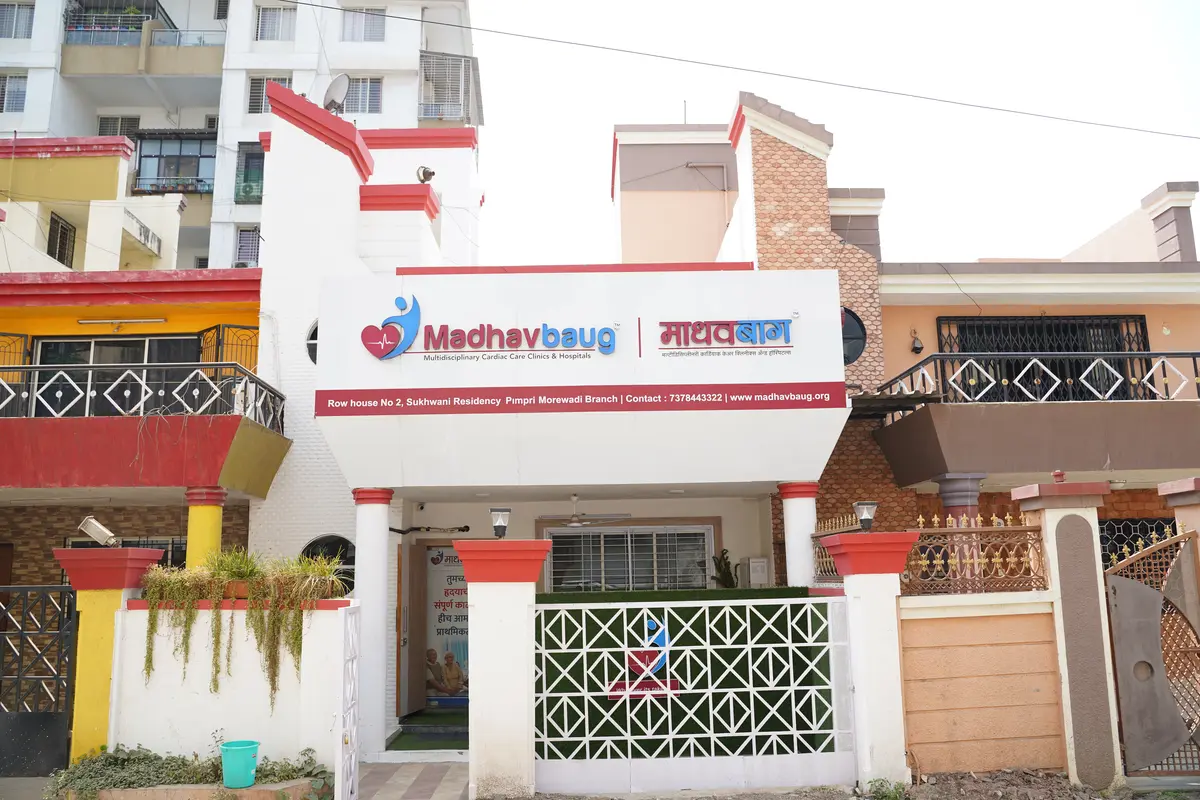
Confirm current local availability directly. An intervention listed at an Ayurveda teaching hospital is not automatically offered at Madhavbaug Pimpri Pune. Nor does a franchise relationship alone establish identical facilities or procedural supervision. A website guide can explain the term while leaving the local service decision to verified clinic records and an individual professional assessment.
Consent should explain the intended tissue effect
Before agreeing, understand where treatment is proposed and what the professional intends the thermal application to do. Ask about likely discomfort, skin changes, healing, risks and the possibility that the symptom will not improve. If a mark or wound may occur, this should be discussed beforehand rather than dismissed after the intervention as something everyone should have expected.
Consent also includes alternatives and the choice not to proceed. Take time to ask questions, request an explanation in your preferred language or seek another opinion. You can withdraw consent. A signed form does not replace a conversation, and payment for a package should not make someone feel unable to decline a procedure they do not fully understand.
Benefits should be specific and reviewable
The proposed benefit should relate to the original concern and to something that matters in daily life. It might involve a change in a particular symptom or in the ability to perform a relevant activity. The expected outcome should be realistic for the diagnosis, rather than a broad promise that every cause of pain will be removed permanently.
Ask when and how the response will be assessed. A temporary change in sensation is different from sustained improvement in function, and neither automatically proves that damaged tissue has been repaired. If other care is being provided at the same time, include it when discussing the result. Honest review recognizes both useful improvement and an intervention that did not provide sufficient benefit.
Understand the limits of the evidence
Studies need to be read in relation to the exact condition, technique and comparison. A small or uncontrolled report can identify an interesting observation without showing that the intervention caused the outcome. Research on one painful condition should not be used as proof for every other condition or every method described by the same traditional name.
Ask whether the evidence includes meaningful follow-up and adverse effects, not only an immediate pain score. A strong claim should be supported by evidence of appropriate quality. Describing a therapy as ancient, scientific or natural does not answer those questions. Traditional practice can be considered respectfully while uncertainty remains visible and the patient's choice remains informed.
A supervised visit: the broad sequence
The appointment should begin by confirming the diagnosis, plan and any change since the assessment. New symptoms, medicines, illness or a skin problem may require the intervention to be delayed or reconsidered. The team should explain positioning, privacy and how you can ask for a pause. The exact technical method is for trained professionals, not a patient instruction from this guide.
Afterwards, the treated area and the person's response should be assessed. Ask what has been done, what changes may occur and what care is required. If symptoms are unexpected, explain them before leaving. Observation and aftercare should reflect the intervention actually performed, not a universal leaflet that assumes everyone received the same method or has the same health risks.
Possible risks and complications
A controlled thermal procedure can cause discomfort, skin injury or changes that need time to heal. Infection, scarring or other complications may be relevant depending on the method and area. The clinician should discuss the risks that matter in your case, including anything that makes healing less predictable. This discussion is part of safe care, not a reason to hide concerns.
Tell the team promptly about increasing pain, spreading redness, discharge, fever or another unexpected change. Seek urgent medical assessment when symptoms are severe or rapidly worsening. Do not interpret every unpleasant response as proof that treatment is working. A reaction needs assessment on its own merits, and its seriousness cannot be judged solely by whether a procedure was traditional or professionally recommended.
Aftercare must be clear and achievable
Ask for instructions specific to the treated site and technique. Understand what to do about washing, clothing, contact with products and usual activities, without improvising your own wound-care routine. This guide deliberately does not provide a dressing recipe or a topical medicine recommendation. The responsible professional should explain the plan and adapt it to any existing condition affecting the skin or healing.
Consider practical barriers before treatment. A person whose work involves dust, water, friction, prolonged standing or heavy physical activity may need a different discussion from someone who can rest easily. If the instructions will be difficult to follow, say so. A sensible plan takes account of ordinary life rather than blaming the person later for a foreseeable difficulty.
Pain management can involve several components
For some musculoskeletal concerns, established care may include education, appropriate movement, rehabilitation and medicines when indicated. The right combination depends on the diagnosis and the person's health. A thermal procedure should not automatically replace these elements or be presented as the only meaningful option. Ask how it fits within a wider plan and who coordinates that plan.
Avoid complete inactivity based only on fear of pain, but do not force an activity that your clinician has restricted. Individual advice matters after injury or surgery. If a physiotherapist, orthopaedic clinician or another professional is already involved, share the proposed intervention. Clear communication helps prevent conflicting instructions and makes it easier to interpret a response to combined care.
Medicines and ongoing medical treatment
Do not stop prescribed treatment because a procedure is expected to help. Decisions about medicines belong with the clinician responsible for them, taking account of symptoms, diagnosis and monitoring. Tell the procedural team what you take, especially if there are concerns about bleeding, healing or overlapping effects. Do not independently omit a medicine to make yourself eligible for treatment.
If medicine adjustments are proposed during a wider programme, ask who is making them and why. A single good day or an immediate reduction in pain is not a reason to make an unsupervised change. Keeping a current medicine list and a brief care summary is particularly helpful when several professionals are involved or when treatment occurs away from your usual medical team.
Agnikarma is not a general cure for piles
Piles, fissures, fistulas and other anorectal concerns are different conditions. They require an appropriate diagnosis, and rectal bleeding must not automatically be attributed to haemorrhoids. A person should not select a cautery-related procedure simply because a website groups several traditional interventions together. The exact diagnosis, options and professional scope matter.
Kshara Karma, Kshara Sutra and Agnikarma are distinct terms, not interchangeable labels for one treatment. Their methods and intended uses can differ. This guide does not establish that any of them is suitable for your symptoms or available at a particular clinic. Ask the clinician to name the proposed intervention precisely and explain alternatives, risks and recovery before making a decision.
A second opinion can be useful
If the explanation is unclear, symptoms are worsening or a major decision is being suggested, another professional opinion may help. This is especially relevant when the diagnosis remains uncertain or when a procedure could delay established treatment. You do not need to frame the decision as choosing one medical system against another; the aim is an appropriate, evidence-informed plan for your situation.
Bring the same history and reports to avoid fragmented advice. Ask which findings support the diagnosis and what would change the recommendation. If two professionals give conflicting instructions, request clarification before proceeding. A respectful service should support questions and informed choices rather than pressure a person to accept an intervention immediately or warn that delay in purchasing a package will prevent recovery.
Costs and treatment-course decisions
Clarify whether the fee relates to an assessment, one intervention, dressings, follow-up or a proposed course. Ask what happens if the procedure is postponed, stopped or found unsuitable after examination. This is practical information, not a promise of a particular result. No fee from another institution should be assumed to apply at the Pimpri clinic.
A course should have a review point and a clinical purpose. Repeating treatment because a package has unused sessions is different from deciding that another intervention is likely to help. Consider time away from work, travel, recovery and your own preferences alongside possible benefit and uncertainty. A responsible plan makes these decisions visible rather than treating the number of sessions as the main measure of success.
Photographs do not establish results or safety
A photograph of an instrument, a procedure or a treated area can illustrate a term. It cannot show the diagnosis, professional training, product handling or long-term outcome. Before-and-after images may also omit other treatment or changes that occurred between the pictures. Do not interpret the presence of a visible mark as proof that the original condition has been corrected.
Images from another centre must not be represented as Pimpri patients or clinic outcomes. If a photo is used, its description should identify what is actually visible and avoid implying a diagnosis or result. Good patient information should make it easier to ask informed questions, not use dramatic imagery to create pressure, fear or a sense that one intervention is superior to all alternatives.
Nerve symptoms should not be grouped with ordinary soreness
Pain accompanied by numbness, tingling or weakness needs careful description. Explain whether symptoms travel along an arm or leg, whether they affect one side and whether they are changing. Difficulty using a hand, a new foot weakness or a change in balance may alter the assessment. A painful spot on the skin does not necessarily identify the source of a nerve-related symptom deeper in the body.
Do not assume that a locally applied procedure can resolve every problem described as sciatica, cervical pain or nerve pain. These are sometimes used as broad labels rather than precise diagnoses. Ask what findings support the explanation and whether another examination is needed. New or progressive neurological symptoms should be assessed promptly rather than managed by repeatedly treating the area where pain is felt.
Plan how to get help after leaving
Before the intervention, clarify how follow-up concerns will be handled outside normal clinic hours. Keep the procedure name and the instructions you received available in case another clinician needs to assess you. If you are travelling away soon afterwards, discuss whether the timing is sensible and how a problem at the treated site would be reviewed. An attractive short appointment does not remove the need to plan recovery.
A support person can help with transport, understanding instructions or observing an area you cannot easily see, when you want that assistance. They should not replace professional assessment if symptoms are concerning. Ask which changes can be discussed routinely and which require urgent care. This practical distinction is more useful than being told either that nothing can go wrong or that every minor change is an emergency.